
Fermented Cabbage Kimchi
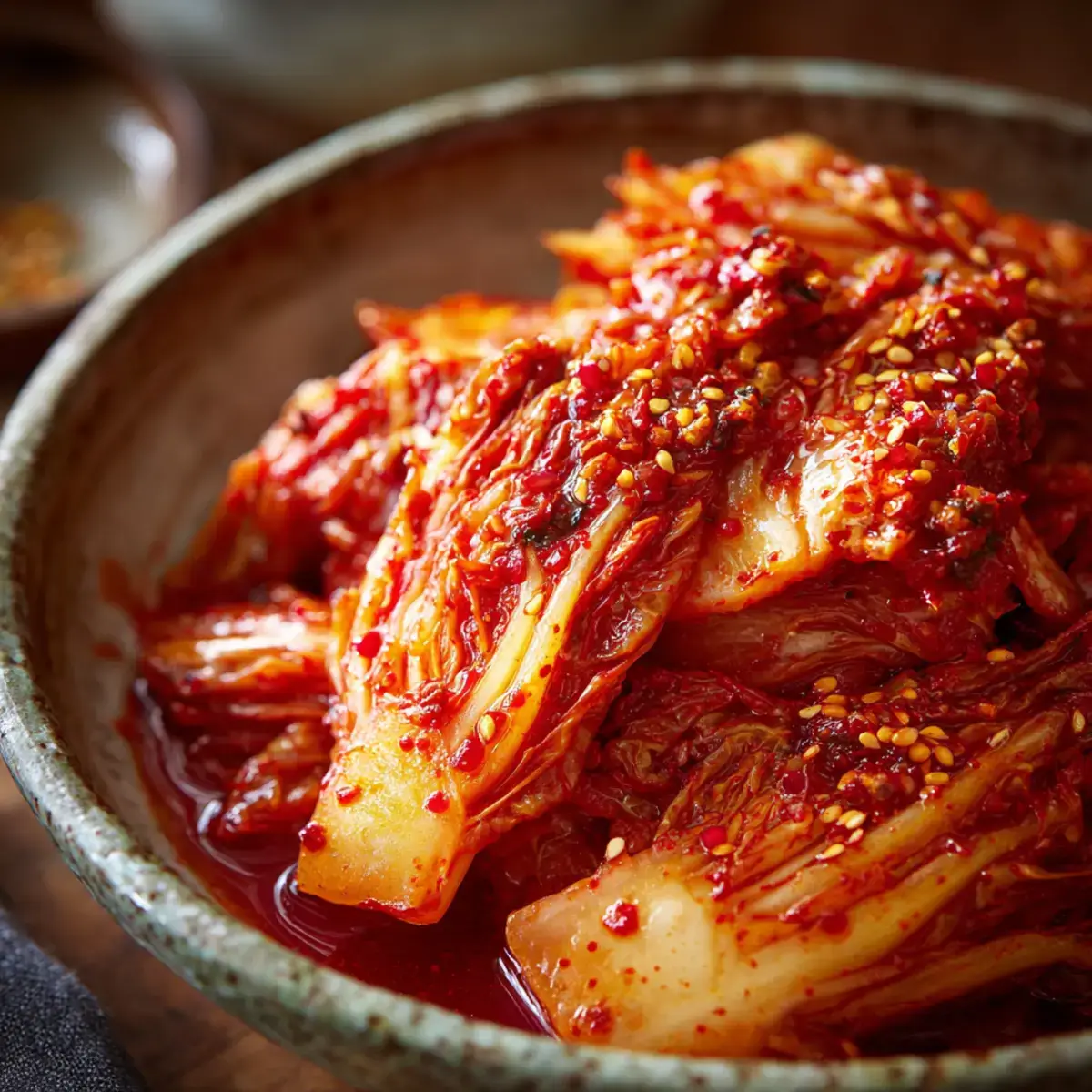
This fermented cabbage kimchi recipe creates authentic Korean flavor using napa cabbage, garlic, ginger, and gochugaru. It’s easy for beginners and develops deep tangy flavor through natural fermentation.

By Emma & Ella FrostUpdated May 6, 2026
- Prep Time
- 20 min
- Cook Time
- 0 min
- Total Time
- 120 min
- Servings
- 1 quart jar

5-Ingredient Dump & Go Crockpot Meals
101 effortless slow cooker recipes for busy families.
View on AmazonAvailable on AmazonThis fermented cabbage kimchi recipe brings bold Korean flavor to your kitchen using simple ingredients and a reliable fermentation method. The balance of spice, tang, and crunch develops naturally over time, creating a deeply satisfying dish you can customize. With tested steps and practical tips, this guide shows exactly how to make fermented cabbage kimchi at home with confidence.
This fermented cabbage kimchi recipe for beginners shows you exactly how to ferment cabbage kimchi step by step.
What is Fermented Cabbage Kimchi
Fermented cabbage kimchi is a traditional Korean food made by salting cabbage and fermenting it with spices, garlic, and aromatics. During fermentation, natural bacteria transform the cabbage, creating a tangy, slightly sour flavor and complex depth.
If you’ve wondered, is kimchi fermented cabbage, the answer is yes. It’s one of the most famous fermented cabbage dishes globally. While napa cabbage is the classic base, variations like fermented green cabbage kimchi and fermented red cabbage kimchi offer different textures and flavors.
Kimchi stands apart from other fermented foods because of its seasoning. Unlike plain sauerkraut, which is often compared as a German fermented cabbage dish similar to kimchi, kimchi includes garlic, ginger, chili flakes, and sometimes fish sauce or soy sauce.
This combination creates a layered taste that evolves as it ferments.
Why You’ll Love This
Fermented cabbage kimchi is more than just a side dish. It’s a staple that adds bold flavor to nearly any meal.
Deep Flavor Development
As the cabbage ferments, the taste shifts from fresh and lightly spicy to tangy and rich. Each day brings a new layer of flavor.
Simple Ingredients
You only need a handful of ingredients to create authentic Korean food kimchi fermented cabbage at home.
Customizable Heat Level
Adjust the gochugaru to control the spice level. This makes the recipe flexible for different preferences.
Long Shelf Life
Kimchi lasts for months in the refrigerator and improves over time.
Versatile Uses
Serve it as a side, mix it into rice bowls, or add it to sandwiches for extra punch. For example, pairing it with something like a cucumber salad recipe adds contrast and freshness.
How to Make
Quick Overview
This fermented cabbage kimchi recipe takes about 20 minutes of active prep time. The fermentation process takes 1 to 5 days depending on your taste preference.
| Step | Time |
|---|---|
| Prep | 20 minutes |
| Salting | 1–2 hours |
| Fermentation | 1–5 days |
Ingredients
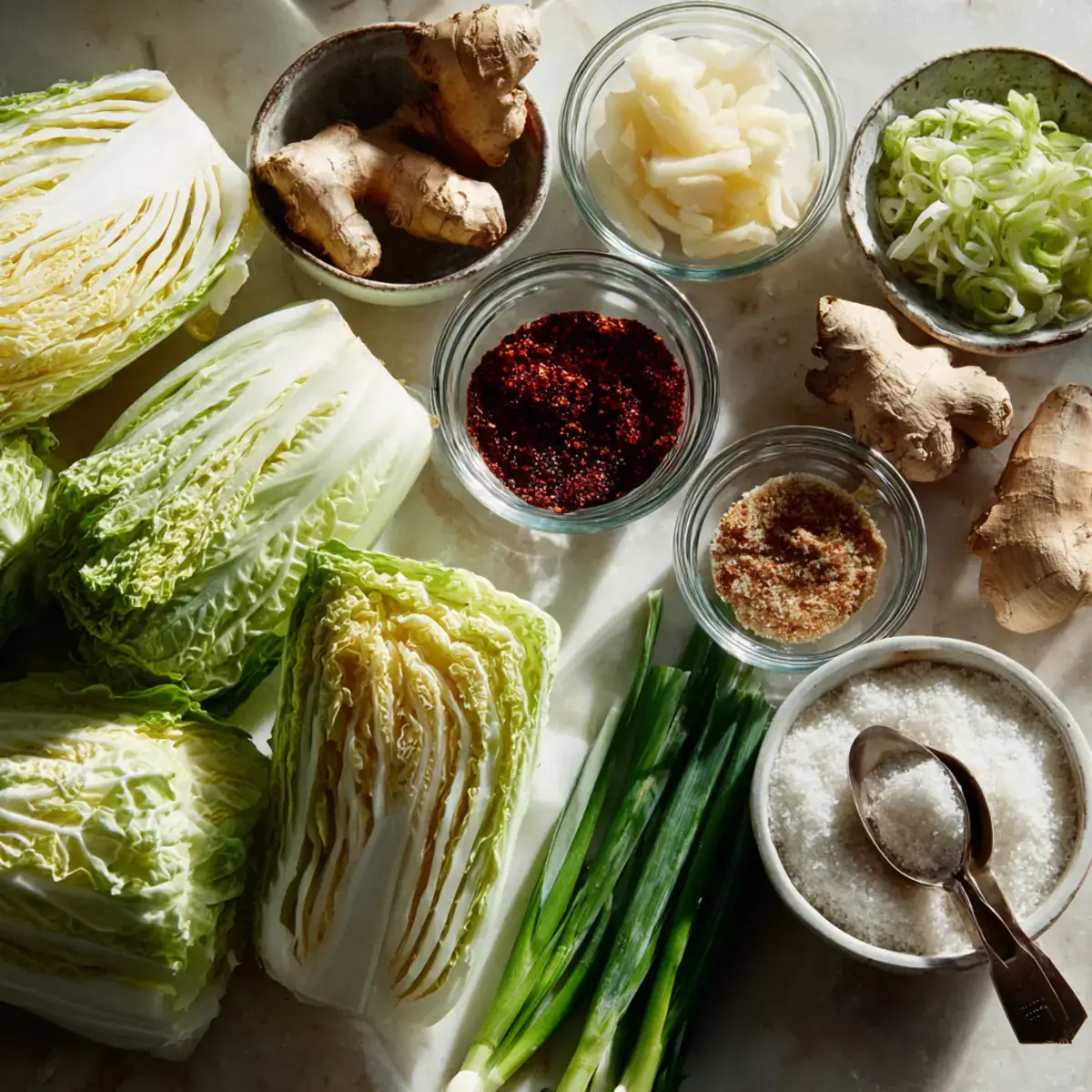
- 1 medium head napa cabbage (about 2 lbs), cut into 2-inch pieces
- 2 tablespoons non-iodized sea salt or kosher salt
- 2 to 3 tablespoons gochugaru (Korean red pepper flakes)
- 4 large garlic cloves, minced
- 1 teaspoon fresh ginger, grated
- 3 green onion stalks, chopped (white and green parts)
- 1 tablespoon soy sauce or tamari
- 1 teaspoon sugar or maple syrup
- 1 cup daikon radish, julienned (optional)
Step-by-Step
Step 1: Salt the Cabbage
Place the cabbage pieces into a large bowl. Sprinkle the salt evenly and toss well. Let it sit for 1 to 2 hours, tossing every 30 minutes. The cabbage will soften and release liquid, forming a natural brine.
Step 2: Rinse and Squeeze
Rinse the cabbage under cold water 2 to 3 times. Taste a piece to check saltiness. Then squeeze firmly to remove excess moisture. Transfer to a clean bowl.
Step 3: Make the Paste
In a small bowl, combine gochugaru, garlic, ginger, soy sauce, and sugar. Stir into a thick paste. Add green onions and daikon if using.
Step 4: Mix Cabbage and Paste
Wear gloves to protect your hands. Add the paste to the cabbage and massage thoroughly until every piece is coated.
Step 5: Pack the Jar
Transfer the mixture into a clean glass jar. Press it down firmly so the brine rises above the cabbage. Leave about 1 inch of space at the top.
Step 6: Ferment at Room Temperature
Leave the jar at room temperature for 1 to 5 days. Press the cabbage down once daily to keep it submerged. Taste starting on day 2.
Step 7: Store and Enjoy
Once the flavor reaches your preference, seal the jar and move it to the refrigerator. The kimchi continues to develop flavor over time.
What to Serve Fermented Cabbage Kimchi With
Fermented cabbage kimchi pairs well with a wide range of dishes. Its tangy and spicy profile balances rich and savory foods.
Classic Pairings
- Steamed rice
- Grilled meats
- Noodle dishes
- Fried eggs
Modern Uses
Kimchi works well in fusion meals too. Add it to wraps or sandwiches for a bold twist. It pairs especially well with recipes like low carb tortilla wraps or even a simple egg salad sandwich recipe.
Side Dish Combinations
Serve kimchi alongside other fresh or pickled sides. For example, dishes like dill pickle recipe or bread and butter pickle recipe complement the fermented flavors nicely.
Top Tips for Perfecting
Making the best fermented cabbage kimchi comes down to technique and attention to detail.
Use Non-Iodized Salt
Salt plays a key role in fermentation. Always use sea salt or kosher salt without iodine.
Keep Cabbage Submerged
Cabbage must stay below the brine level to prevent spoilage. Press it down daily during fermentation.
Adjust Fermentation Time
Short fermentation creates a fresh taste. Longer fermentation produces a deeper tang.
Control Temperature
Warm environments speed up fermentation. Cooler spaces slow it down.
Experiment with Variations
Try fermented napa cabbage kimchi for traditional flavor, or explore fermented green cabbage kimchi and fermented red cabbage kimchi for different textures.
Storing and Reheating Tips
Proper storage keeps your kimchi fresh and flavorful for months.
Refrigeration
Once fermentation reaches your desired level, move the jar to the fridge. This slows the fermentation process.
Storage Duration
Kimchi can last up to 6 months when stored properly.
| Storage Time | Flavor Profile |
|---|---|
| 1–3 days | Fresh and mild |
| 1–2 weeks | Balanced tang |
| 1 month+ | Strong and sour |
Using Older Kimchi
Older kimchi works well in cooked dishes. Add it to soups, stir-fries, or rice bowls.
For example, pairing it with something hearty like a cabbage soup diet recipe for weight loss creates a balanced meal.
FAQs
Is kimchi fermented cabbage
Yes. Kimchi is a traditional Korean fermented cabbage dish made with spices and seasonings.
How to ferment cabbage for kimchi
Salt the cabbage, rinse it, mix it with seasoning paste, and ferment it in a jar at room temperature for several days.
How to ferment cabbage kimchi safely
Keep everything clean, use proper salt, and ensure the cabbage stays submerged in brine.
How to make fermented cabbage kimchi less spicy
Reduce the amount of gochugaru or mix in mild vegetables like extra cabbage or radish.
What is the best rated fermented cabbage kimchi
The best version depends on taste. Many prefer napa cabbage kimchi for its texture and balanced flavor.
Can I use regular cabbage
Yes. Fermented green cabbage kimchi is a common variation, though slightly firmer than napa cabbage.
Conclusion
Fermented cabbage kimchi offers a powerful combination of flavor, tradition, and simplicity. With just a few ingredients and a little patience, you can create a dish that evolves over time and adds depth to any meal. Once you understand how to ferment cabbage for kimchi, the process becomes second nature, and each batch reflects your personal taste.
Start your first jar today and experience how fermented cabbage transforms into something rich, tangy, and deeply satisfying.
Stay connected for more recipes on The Cooking Twins Facebook and discover fresh ideas on The Cooking Twins Pinterest.
Fermented Cabbage Kimchi
- Total Time: 120 min
- Yield: 1 quart jar 1x
- Diet: Vegan
Description
This fermented cabbage kimchi recipe creates authentic Korean flavor using napa cabbage, garlic, ginger, and gochugaru. It’s easy for beginners and develops deep tangy flavor through natural fermentation.
Ingredients
1 medium napa cabbage (about 2 lbs), chopped
2 tablespoons sea salt (non-iodized)
2–3 tablespoons gochugaru (Korean chili flakes)
4 garlic cloves, minced
1 teaspoon fresh ginger, grated
3 green onions, chopped
1 tablespoon soy sauce or tamari
1 teaspoon sugar or maple syrup
1 cup daikon radish, julienned (optional)
Instructions
- Salt Cabbage: Toss cabbage with salt and let sit 1–2 hours until softened and brine forms.
- Rinse Cabbage: Rinse 2–3 times and squeeze out excess moisture.
- Make Paste: Mix gochugaru, garlic, ginger, soy sauce, and sugar into a thick paste.
- Combine Ingredients: Add paste to cabbage and massage until fully coated.
- Pack Jar: Pack tightly into a glass jar and press until brine covers cabbage.
- Ferment: Leave at room temperature for 1–5 days, pressing daily.
- Store: Refrigerate once desired tanginess is reached and enjoy.
Notes
Use non-iodized salt for proper fermentation.
Keep cabbage submerged in brine to prevent spoilage.
Flavor deepens over time in the refrigerator.
- Prep Time: 20 min
- Category: Dinner
- Method: Fermentation
- Cuisine: Korean
Nutrition
- Serving Size: 1/2 cup
- Calories: 45
- Sugar: 3g
- Sodium: 480mg
- Fat: 0g
- Saturated Fat: 0g
- Unsaturated Fat: 0g
- Trans Fat: 0g
- Carbohydrates: 10g
- Fiber: 2g
- Protein: 2g
- Cholesterol: 0mg
Must‑Have Kitchen Equipment for This Recipe:
- Instant Pot Duo Plus 6‑Qt 9‑in‑1 Programmable Pressure Cooker
- Instant Vortex Plus 6‑Qt Air Fryer (ClearCook + OdorErase)
- Aucma 6.5‑Qt 6‑Speed Tilt‑Head Stand Mixer
Some links may be affiliate links. Read our affiliate disclosure.
Keep good recipes close
Add The Cooking Twins to your preferred sources on Google for more easy dinners, no-bake desserts and kitchen inspiration.




Ratings & Reviews
Leave a reviewWe'd love to hear how it turned out.