
Seasonal Produce Shopping Calendar: Start With Your Region
Build a seasonal produce shopping calendar with regional crop windows, clear source notes and actual shopping observations instead of a one-size-fits-all harvest list.

By Emma & Ella FrostUpdated November 17, 2026

5-Ingredient Dump & Go Crockpot Meals
101 effortless slow cooker recipes for busy families.
View on AmazonAvailable on AmazonA seasonal produce shopping calendar is useful when it names a growing region, not just a month. A strawberry season in one state does not set the shopping schedule for another. Start with a regional source, keep its crop window attached to that location and confirm the actual product before adding it to a meal plan.
The examples below show how to read that information. They are not a single national harvest calendar, a prediction of this week's stock or a promise that seasonal food is always cheaper. Use them to build a short calendar for the places you actually shop.
Choose the region before choosing the month

Write the source's geographical scope at the top of your record. A state agriculture department, a local grower's own information and a particular market's chart may each describe a different area. Do not combine their windows into one unlabeled list.
Foodwise's seasonality charts explicitly describe availability at its San Francisco Bay Area farmers markets. The organization notes that years and varieties differ and that other growing regions may have different seasons. That location belongs with the information whenever you use it.
Keep your shopping location separate from the product's growing location. A supermarket can sell produce from somewhere else, while a local calendar describes a particular harvest or market supply. Seeing a fruit on a shelf does not identify the farm or prove that it was harvested locally that week.
Read a seasonal overview as a starting point
Foodwise's account of its regional seasons offers examples for planning questions: asparagus appears in its spring discussion; peaches and nectarines feature in summer; apples and pears arrive in the late-summer-to-autumn transition; citrus is prominent in winter.
Those are Bay Area market examples, not instructions to expect the same sequence everywhere. A crop may appear across more than one season, and a broad category can contain varieties with different windows. Keep the named source rather than turning a general overview into an exact nationwide deadline.
Pick an ingredient you actually use and look up its regional information. If the overview says summer, record that wording. Do not invent a starting day, an ending week or a harvest date that the source does not provide.
See why a month range needs its location
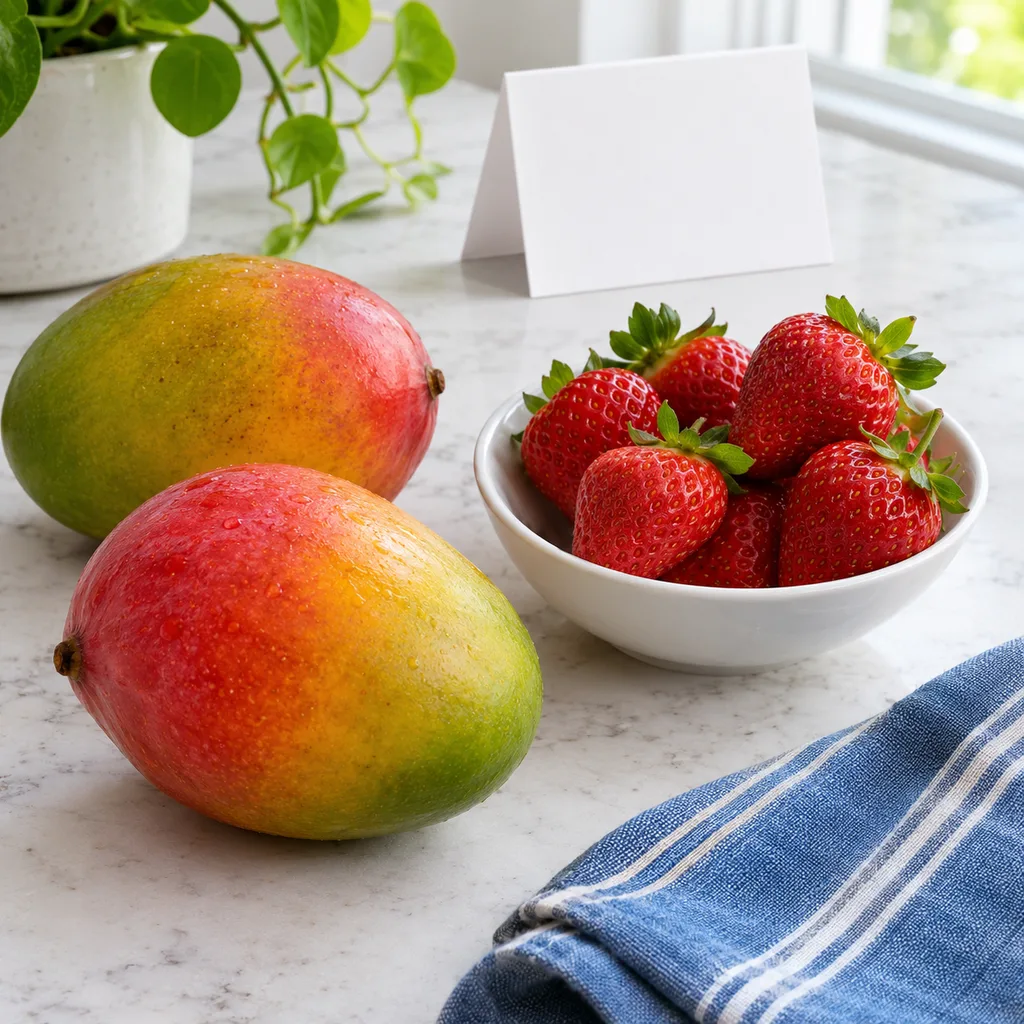
The Florida Department of Agriculture and Consumer Services lists typical Florida harvest windows that make the regional point clear. Its examples include:
- Florida strawberries: December through April.
- Florida tomatoes: October through June.
- Florida blueberries: April and May.
- Florida mangoes: May through August.
The department also notes that weather can affect the schedule. Keep these entries labeled Florida; they are not a calendar for every garden, supermarket or farmers market in the United States.
When your own area has a different window, do not treat the difference as an error to hide. Keep each record tied to its source and intended region. Your calendar can include food grown elsewhere, but make that choice explicit instead of relabeling it local.
Separate harvest, availability and your own observation
A regional guide and a shopping note answer different questions. The guide can suggest when to look. Your note records what a particular seller actually offered on a particular visit. Keep those two kinds of information in separate fields.
Foodwise's winter discussion notes that apples and Asian pears can remain available through cold storage after their harvest season. That is a useful distinction between finding a product and knowing when it was harvested. It is not permission to assign a home storage life to the fruit you buy.
Ask the seller about origin or current supply when those details matter. Do not infer organic status, a growing method or freshness from a calendar entry alone. Record an unanswered question as unanswered rather than converting an attractive display into proof.
Make a small calendar you can maintain
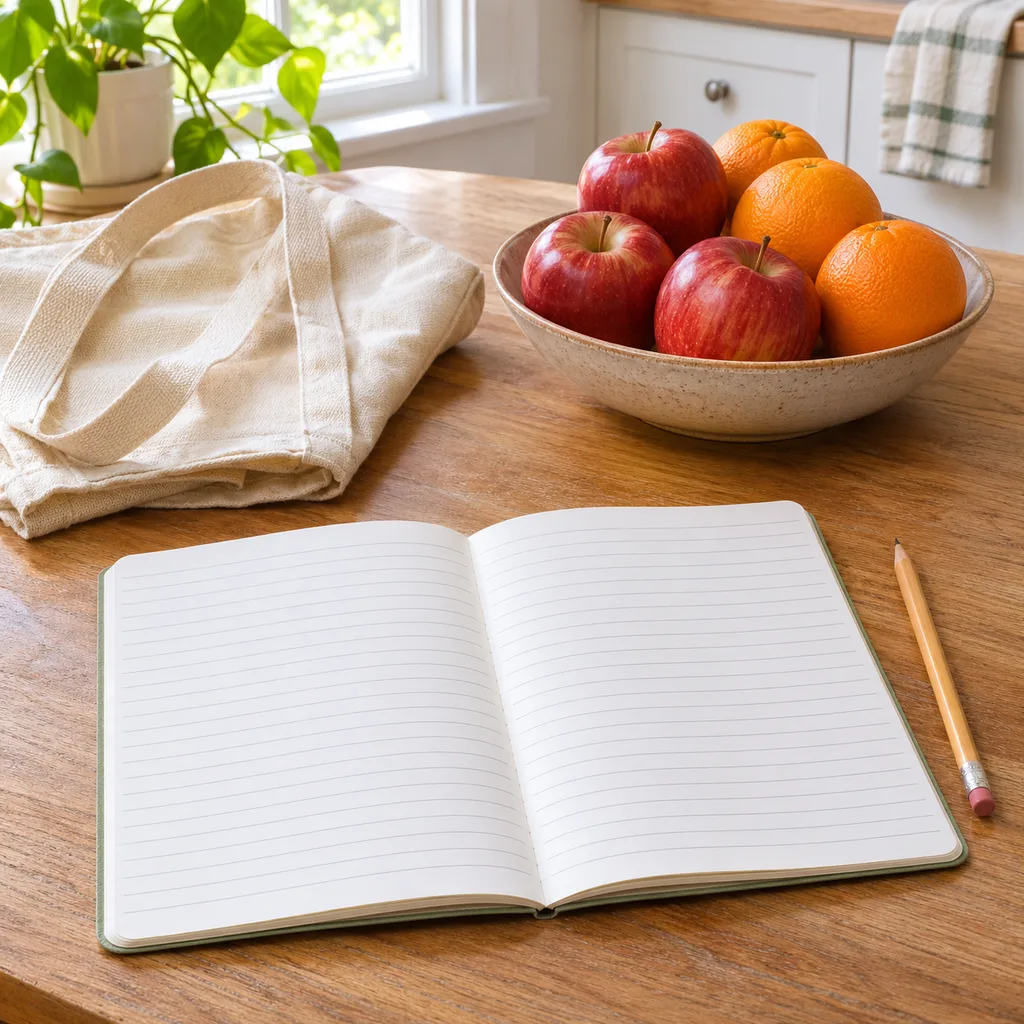
Start with produce that has a real role in your meals rather than copying a long list you will not use. A short record can contain these fields:
- The produce item and relevant variety or form.
- The source and the region it describes.
- The month range or season exactly as the source gives it.
- The date you checked the source.
- A separate note about a confirmed local purchase or question.
Keep the source address with the record so you can revisit it. If you only save the crop names, it becomes difficult to tell which region or version supplied the original dates. An undated screenshot also loses the context needed to interpret it later.
Use a notebook, a plain calendar page or another system you can update comfortably. This article provides the fields, not a prefilled record of your market visits or a downloadable official calendar. Leave an observation blank until you actually have one.
Connect the calendar to the week's meals
Choose the meal first, then use the calendar to identify an ingredient worth checking. Confirm its actual form, quantity and requirements against the recipe. A ripe fresh item, a canned version and a frozen product are not automatically interchangeable in every dish.
Our farmers market shopping guide covers the visit itself: checking the operation, seller and purchase arrangements. Use the calendar for the crop-window question and the market guide for the trip, rather than expecting either to answer everything.
Keep an appropriate alternative meal if an important ingredient is unavailable. Do not make an unsupported recipe substitution solely because another item shares its color or appears under the same season. Review the actual recipe before changing what it requires.
Check the real purchase instead of assuming a seasonal bargain
Compare the actual product, usable quantity and price you can buy. A seasonal label does not establish a saving, and a large package is not useful if it has no place in your meals. Keep the calendar as one planning input, not a replacement for the purchase decision.
When package sizes or selling units differ, our grocery unit-price guide explains the separate comparison. Record a price only after checking the real offer and quantity. Do not turn one good purchase into a permanent claim about a whole season.
Before the next planning cycle, revisit the regional source and add only what you actually learned. A useful seasonal produce shopping calendar becomes a clear record of region, expected window and confirmed observation, not a national promise the next shop must fulfill.
Keep good recipes close
Add The Cooking Twins to your preferred sources on Google for more easy dinners, no-bake desserts and kitchen inspiration.
Emma & Ella Frost
A practical resource from The Cooking Twins.
More from Emma & Ella Frost
Comments
Leave a commentShare your question or planning tip below.