
Farmers Market Shopping Tips by Season: Plan for Your Actual Market
Plan farmers market visits with seasonal questions about dates, vendors, purchases and meals, without assuming one crop calendar fits every US market.

By Emma & Ella FrostUpdated November 17, 2026

5-Ingredient Dump & Go Crockpot Meals
101 effortless slow cooker recipes for busy families.
View on AmazonAvailable on AmazonUseful farmers market shopping tips by season begin with the market you can actually visit, not a national list of foods you expect to find. Confirm the date and location, check what the vendors say they will bring, and choose purchases that have a real place in your meals.
Use the four seasonal checkpoints below as questions to ask, not a crop calendar or a promise about what every US market sells. The same planning record can help with a first spring visit, a summer trip, an autumn restock or a winter market.
Confirm the market before planning the shopping trip
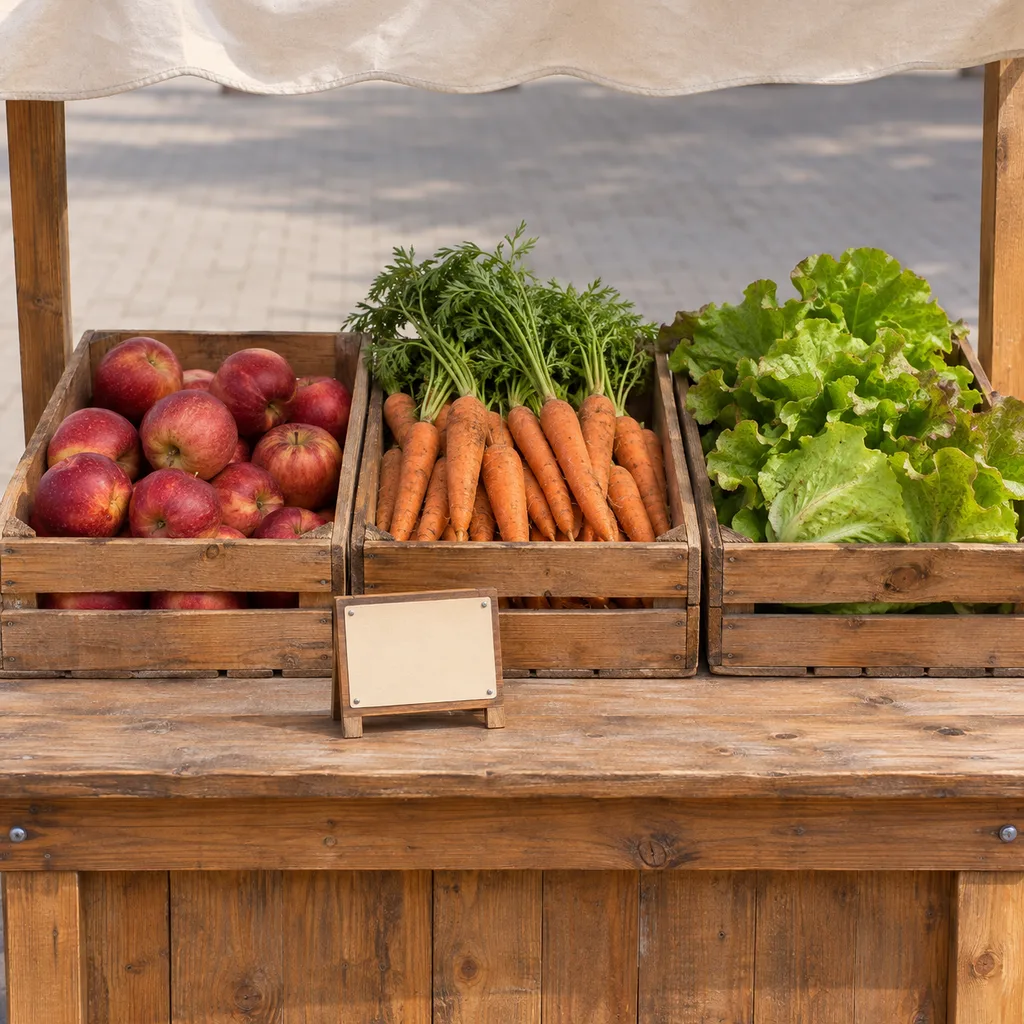
The USDA Agricultural Marketing Service's farmers market directory page describes listings with locations, operating times, product offerings and payment information. Use it as a starting point for finding an operation, then confirm the actual visit with that market's current information.
Check the date, hours, address and any change of site before leaving. A saved map pin does not tell you whether a special event is happening at the same location. If something essential is unclear, ask the organizer rather than building a shopping plan around an assumption.
Confirm payment arrangements and any purchase or pickup process that matters to you. Do not assume every vendor follows the same payment method or that an advertised program applies to every product. Keep those questions tied to the particular market and seller.
Spring: ask what is actually starting at this market
For a spring visit, ask which vendors are attending and what they expect to bring. Do not build a fixed menu around a product merely because it appears on a seasonal inspiration list. Keep an alternative purchase decision if the ingredient required by your recipe is unavailable.
Distinguish a plant for growing from produce ready to use. Check the seller's description and your actual purpose before bringing home something unfamiliar. This guide is about shopping, not identifying edible plants or establishing a gardening schedule.
Make the first visit a chance to learn how the market works: where the entrances are, how to find a particular seller and where to ask questions. Record confirmed information instead of assuming a previous year's arrangement still applies.
Summer: keep an appealing display connected to a meal
Before buying, name how you will use the item and the amount your actual recipe or meal plan needs. A colorful display is not a reason to purchase more than you can handle. Leave room in the plan for food already at home rather than treating market purchases as a separate, consequence-free basket.
The EPA's planning and shopping guidance recommends checking existing supplies and planning purchases around meals you expect to eat. Apply that before the trip. Our pantry inventory guide covers the separate stock-check task.
Plan the journey home and any needed storage before buying perishables. Follow the requirements for the actual foods you choose rather than treating a reusable tote as temperature control. Do not turn a shopping outing into a food-preservation project without appropriate verified instructions.
Fall: check the next visit before buying a larger amount
Ask about upcoming market dates and the seller's plans. If you are considering a larger purchase because you may not return soon, check the amount you can use, the total cost and the storage requirements first. A future gap in visits does not automatically make a bulk purchase practical.
Do not assume a product has a long home storage life because it is associated with autumn. Use guidance for the actual item and condition. Freezing, canning, pickling and drying are separate procedures, not automatic solutions for an unplanned surplus.
Keep a short note about what you learned for the next trip. Separate the seller's expected future availability from a confirmed order. An interesting conversation is not a reservation unless you have actually agreed on one.
Winter: verify the location and ask about the product
For a winter visit, check whether your intended market is operating, where it will be held and which sellers are expected. Ask about any different arrangements rather than assuming the outdoor visit you remember is the current setup.
If where or how a product was grown matters to your purchase, ask the seller directly. Do not infer its origin, growing method, organic status or harvest date from a seasonal display or the market's name. Keep the actual description distinct from an assumption about the time of year.
The same questions are useful beyond winter. A season can prompt a check; it should not replace the information attached to a particular product or seller.
Compare the purchase you can actually make
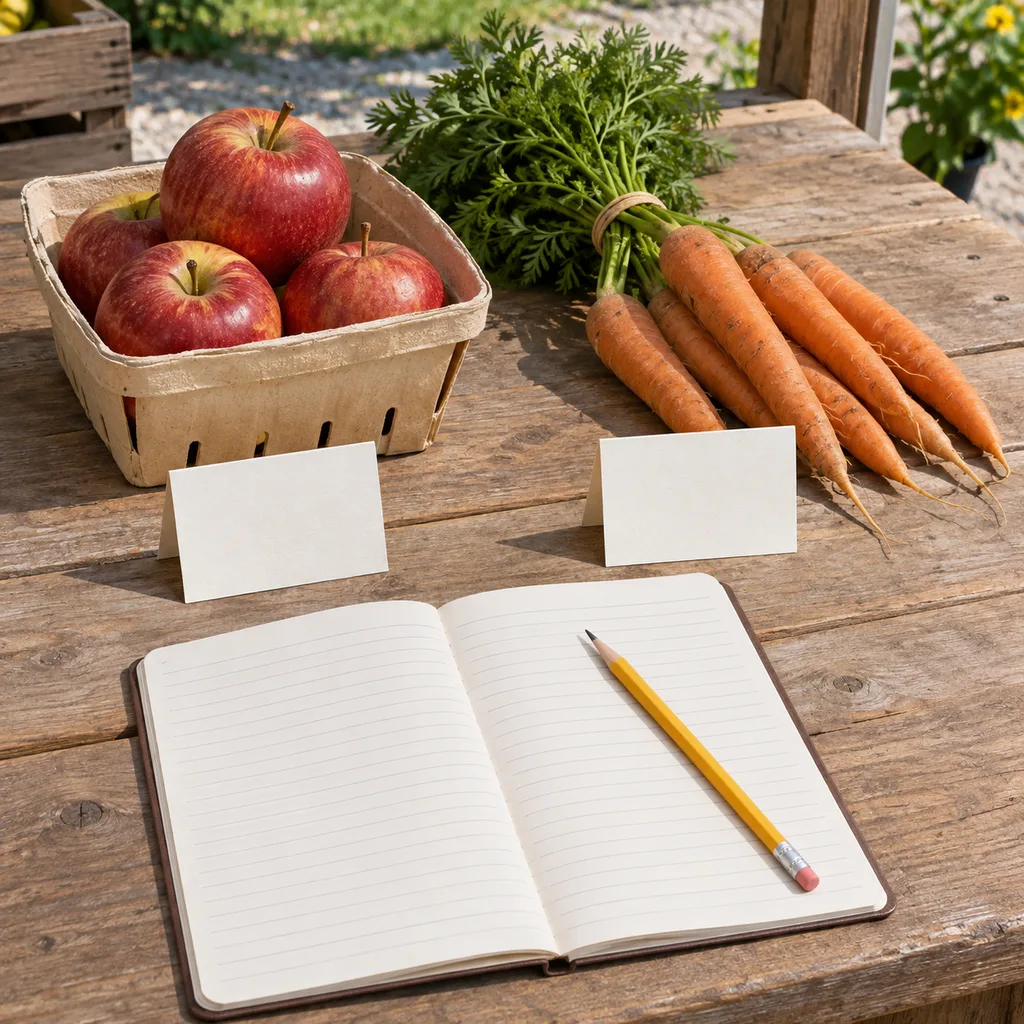
When prices use different units, clarify the quantity and product before comparing the numbers. A bunch, a basket and a weight-based price are not automatically equivalent. Our unit-price guide explains comparable quantities without assuming the largest purchase is best.
Check whether the price is for one item, a stated weight or the whole container. Ask what is included before relying on a handwritten sign. Record an actual purchase price only when you have verified it, not as a permanent claim about that market's value.
Finish with a short market note: visit date, seller, item and form, quantity bought, intended meal and any question to verify next time. Keep personal payment details out of it. That record connects the next season's visit to your own experience without pretending one trip proves a national shopping rule.
Keep good recipes close
Add The Cooking Twins to your preferred sources on Google for more easy dinners, no-bake desserts and kitchen inspiration.
Emma & Ella Frost
A practical resource from The Cooking Twins.
More from Emma & Ella Frost
Comments
Leave a commentShare your question or planning tip below.