
Pantry Inventory Checklist: Turn What You Have Into a Shopping Decision
Use a pantry inventory checklist to track food locations, observed amounts and planned meals, then decide what to buy, skip or verify before shopping.

By Emma & Ella FrostUpdated November 16, 2026

5-Ingredient Dump & Go Crockpot Meals
101 effortless slow cooker recipes for busy families.
View on AmazonAvailable on AmazonA pantry inventory is useful when it changes the shopping list, not when it becomes another list to maintain. Start with the foods you are likely to use for upcoming meals. Record what is there, where it is, and whether you have enough for the job you have in mind.
This pantry inventory checklist is a shopping and meal-planning tool, not a food-safety inspection or a shelf-life calculator. Keep product labels and storage directions available. An item appearing on the inventory does not establish that it is suitable to eat.
Choose one storage area and one planning decision
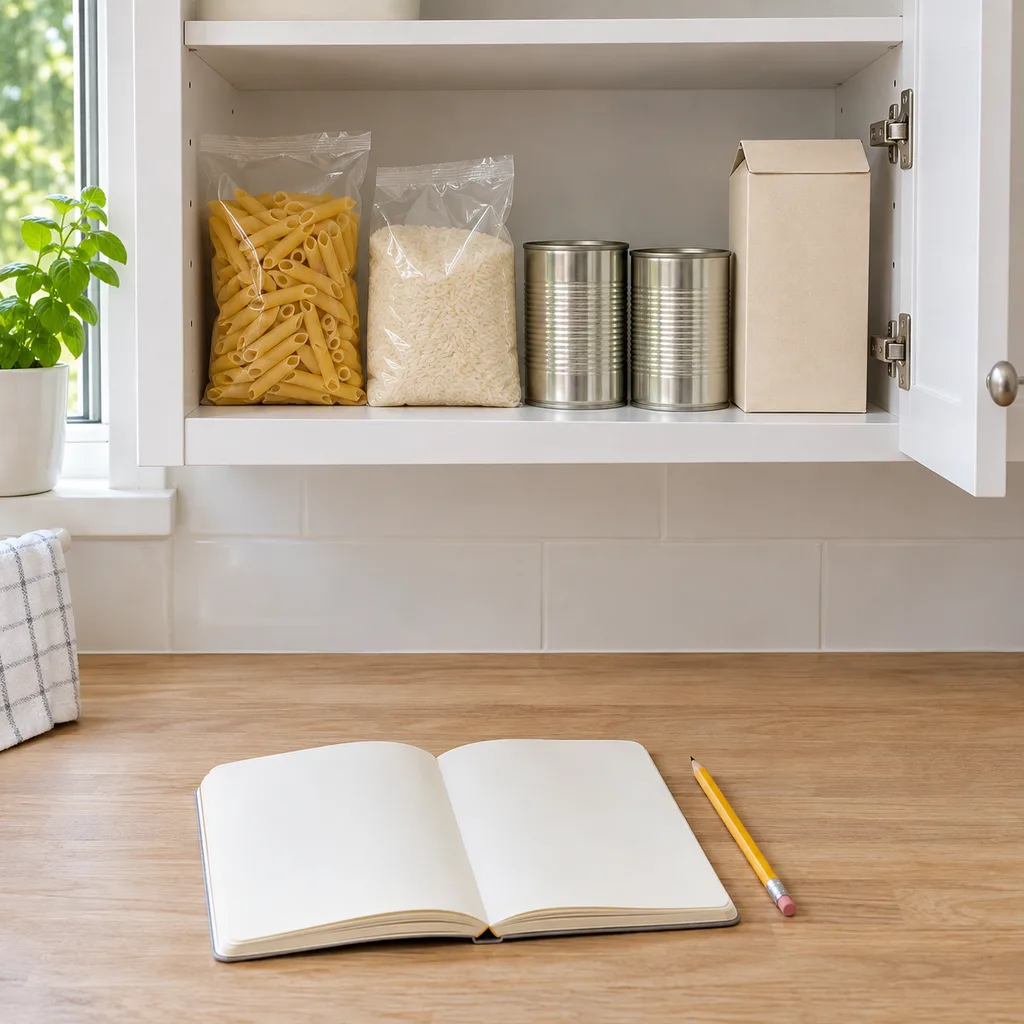
Begin with a shelf or cupboard that often produces duplicate purchases. You might repeatedly buy pasta because the open package is hidden, or forget a canned ingredient already waiting behind another item. A focused check is easier to connect to a real shopping decision than a complete catalog of the kitchen.
Write the storage location at the top of the page. If an ingredient also lives elsewhere, note that location rather than assuming the first package you find is the household's entire supply. Keep refrigerator and freezer checks separate so this pantry exercise does not leave refrigerated food sitting out.
The EPA's planning and shopping guidance recommends checking food already at home and planning purchases around meals you expect to eat. The inventory below turns that principle into a small set of decisions. It does not promise a particular reduction in spending or waste.
Record enough detail to recognize the ingredient
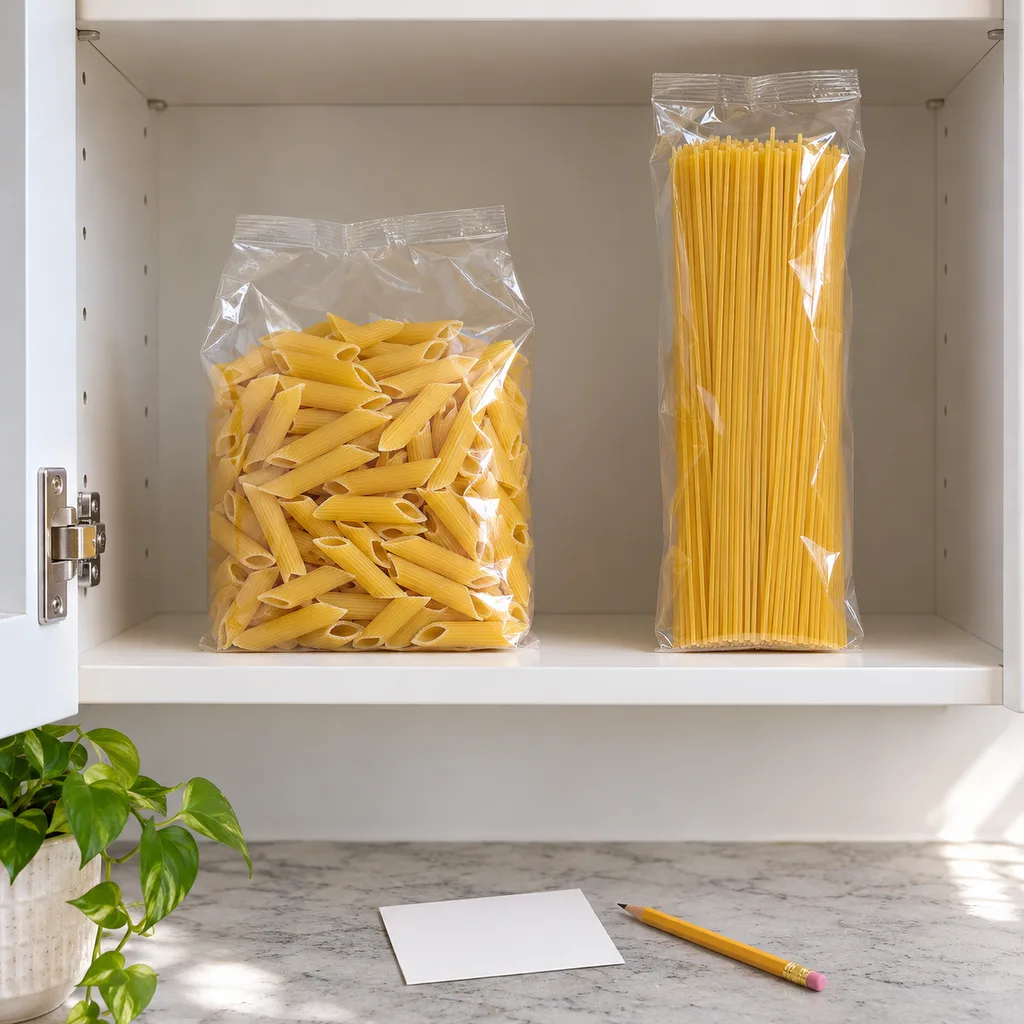
Use the product's actual name rather than a category that hides important differences. Long-grain rice, risotto rice and a seasoned rice mix may belong to the same cupboard but are not interchangeable in every recipe. Note the form or variety that matters for your planned meal.
Record the amount in a way you can check: one unopened package, two cans, or an open bag with an amount still to verify. Do not turn an impression into a precise quantity. If a recipe needs a measured amount, check that amount before deciding you have enough.
Keep date wording separate from the amount. If you transcribe a package date, include the words printed with it rather than renaming every date an expiry date. This checklist does not interpret date labels, replace manufacturer instructions or tell you to use questionable food.
Use a short inventory table
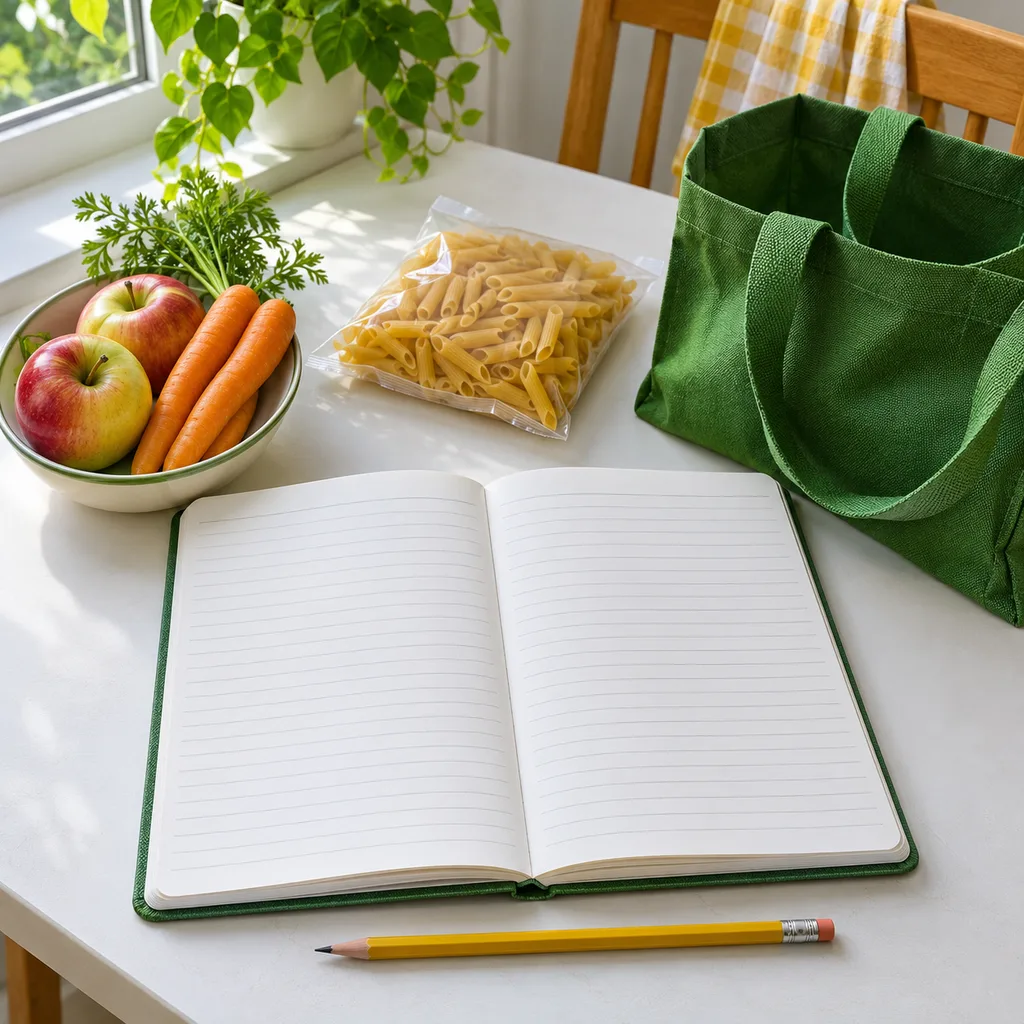
Use the following headings on paper or in a note shared with the people who shop. The sample row is an example of the record format, not a meal prescription or an assessment of a particular product.
| Item and form | Location | Amount observed | Planned use | Shopping decision |
|---|---|---|---|---|
| Dry penne | Upper pantry shelf | One open bag; verify quantity | Chosen pasta recipe | Check recipe amount before buying |
| Your item | Shelf or cupboard | Count or amount to check | Meal or other intended use | Buy, do not buy, or verify |
Leave room for notes instead of trying to encode everything in abbreviations. A list that another household member can read is more useful than a dense spreadsheet only its creator understands. Start with these columns; add another only when it answers a recurring question.
Separate use planning from buying more
For each useful item, name a meal or ordinary use you actually intend. If you cannot name one, do not automatically buy more because it appears on a generic pantry-staples list. A well-stocked pantry is personal to what the household cooks.
Compare the amount available with the amount needed for your chosen recipe. The shopping decision may be to buy nothing, buy the missing ingredient, or verify the open package first. Keep those decisions distinct. A partly empty container is not necessarily a shortage.
When multiple meals use the same ingredient, check their combined requirement. Otherwise the same open bag may appear to cover several plans independently. You do not need a complicated system: a note beside each meal can show which supplies you have already allocated.
Carry only the decisions into the shopping list
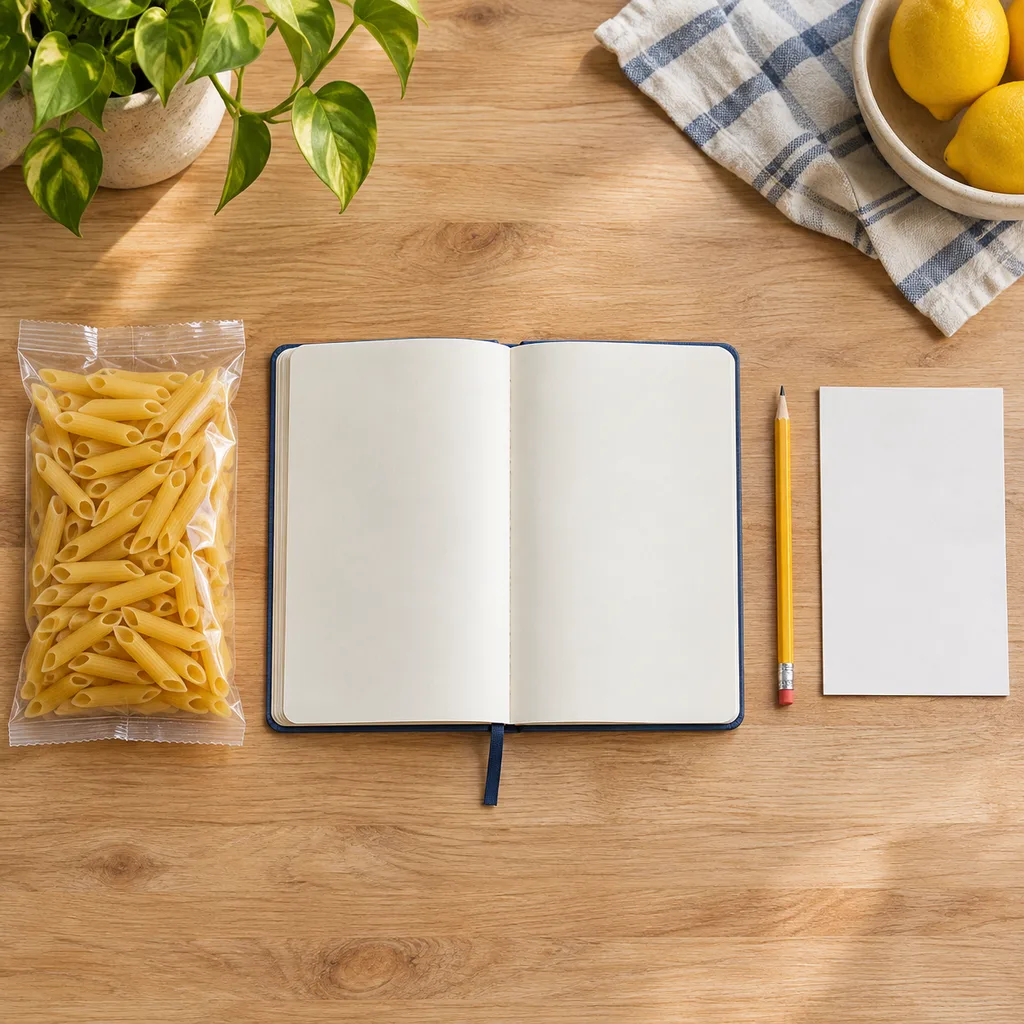
The inventory describes what is at home; the shopping list describes what you intend to purchase. Keep them separate so a long inventory does not accidentally become a long order. Transfer only confirmed purchases, including the form and quantity required.
Before checking out online, compare the cart with those decisions. In a store, keep the same distinction when a promotion makes an extra package tempting. A lower price on more food does not itself establish that you can use or store the extra amount appropriately.
If another person shops, share the decision rather than a photograph of a crowded shelf. “Check the open penne bag before buying” communicates uncertainty honestly. “We have pasta” may be too broad to prevent the wrong purchase.
Update the record when it helps, not after every spoonful
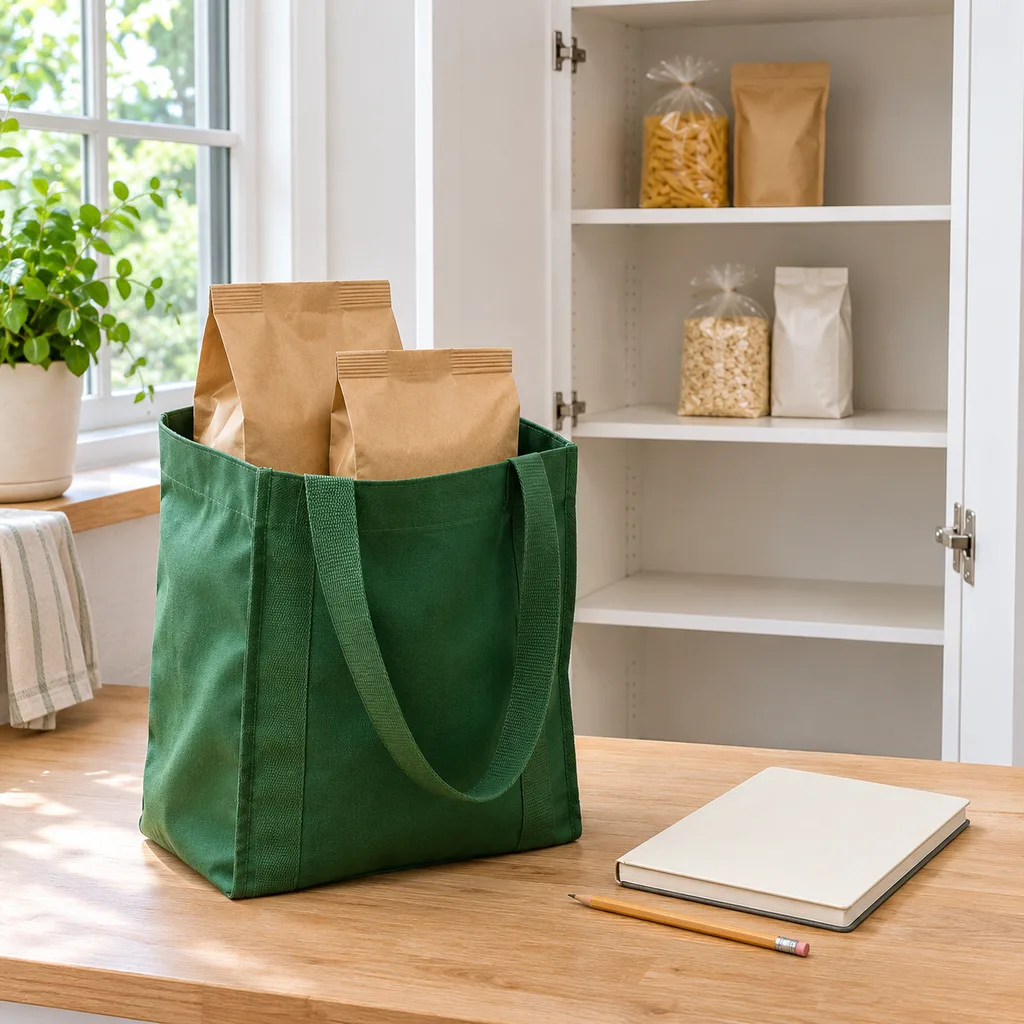
Choose an update point you can sustain, such as the next meal-planning session or the moment an important package is finished. Cross out an empty item, revise the observed amount, or move a note to the shopping list. Avoid pretending the inventory is continuously accurate if nobody maintains it that way.
Add the date you checked the shelf at the top of the page. This tells another reader whether the list is a recent observation or an older planning aid. It is an inventory date, not a food expiration date.
Keep the checklist small enough to use. If a detailed record is repeatedly abandoned, retain only the items that cause duplicate purchases and the ingredients assigned to upcoming meals. Expand the system only when the simpler version is working for your household.
Review what the list missed
After the shopping trip, look at any accidental duplicates or ingredients still overlooked. Was the location unclear? Did a product name hide a different variety? Did someone finish the package after the shelf check? Correct the record rather than adding more categories automatically.
If storage itself makes food difficult to see, treat that as a separate organizing problem. The inventory can identify the problem, but it does not require buying new containers. A clearer shelf location or a visible note may be enough.
The goal is a reliable next decision: use what fits a real meal, verify what is uncertain, and buy what is actually missing. A brief inventory that supports those decisions is more useful than an impressive catalog that never reaches the shopping list.
Keep good recipes close
Add The Cooking Twins to your preferred sources on Google for more easy dinners, no-bake desserts and kitchen inspiration.
Emma & Ella Frost
A practical resource from The Cooking Twins.
More from Emma & Ella Frost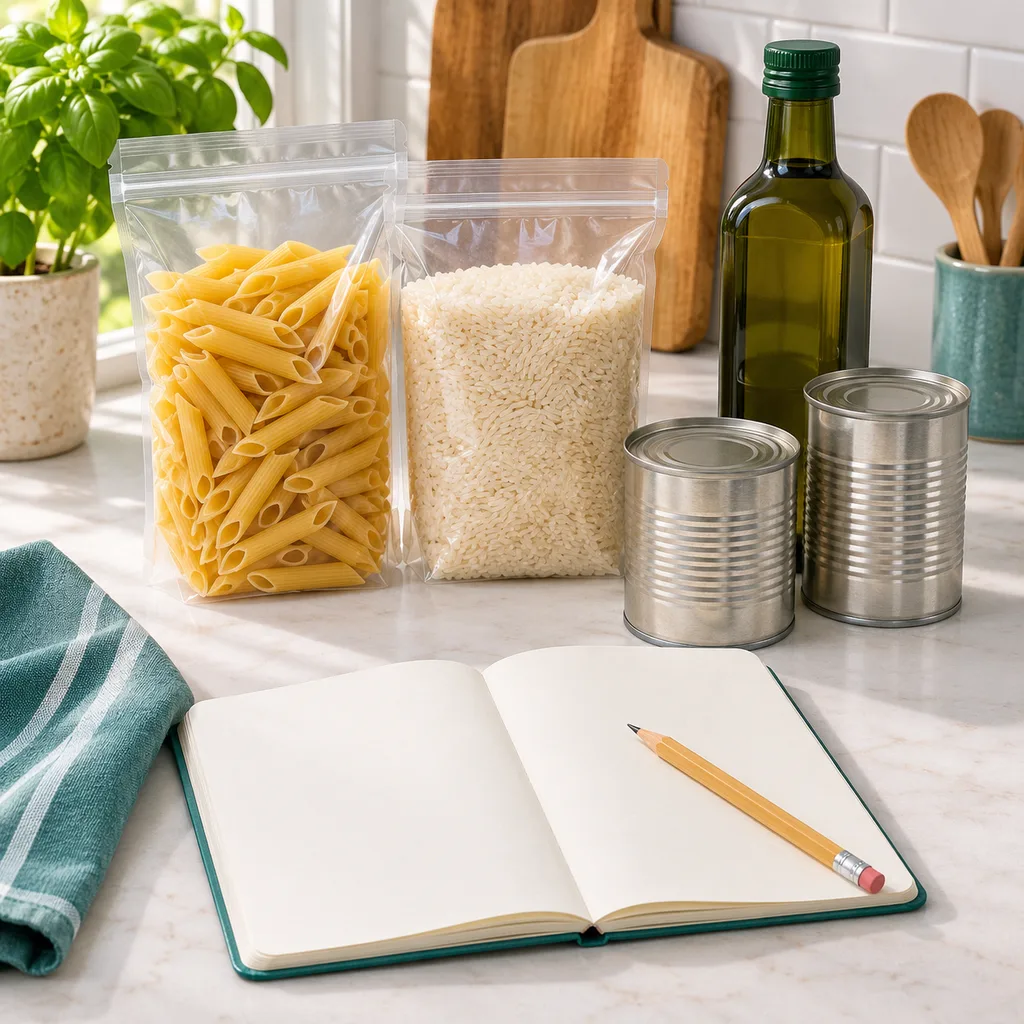
Comments
Leave a commentShare your question or planning tip below.