
Grocery List Organized by Store Aisle: A Reusable Shopping Template
Organize a grocery list by your store's sections with a reusable four-column template, precise item details, substitution notes and a sensible shopping order.

By Emma & Ella FrostUpdated November 16, 2026

5-Ingredient Dump & Go Crockpot Meals
101 effortless slow cooker recipes for busy families.
View on AmazonAvailable on AmazonA grocery list organized by store aisle should follow the store you actually use, not an imaginary supermarket with a perfect layout. Start with a confirmed list of purchases, group related items, and put those groups in a practical order. Keep refrigerated, frozen, and hot purchases for the appropriate final stage rather than letting a route shortcut override food handling.
The method below turns a finished shopping list into a reusable store-section template. It does not prescribe what a household should eat, promise a shorter trip, or assume that aisle numbers are the same everywhere. Its purpose is to make the next decision easier when you are standing in front of a shelf.
Finish the purchase decisions before sorting the route
Check what you have, what your chosen meals require, and the quantities still missing. The EPA's planning and shopping guidance recommends checking food at home and building purchases around meals you expect to eat. Rearranging a list does not resolve an uncertain quantity.
Keep an inventory separate from the list you take shopping. Our pantry inventory checklist distinguishes an observed amount from a confirmed purchase. Transfer the purchase decisions, not every item recorded on the shelf.
For an event with several recipes, combine repeated ingredients before grouping them by department. The recipe-by-recipe Thanksgiving grocery worksheet addresses that menu-building task. This guide starts after the ingredients and required amounts have been checked.
Use broad departments before adding aisle numbers
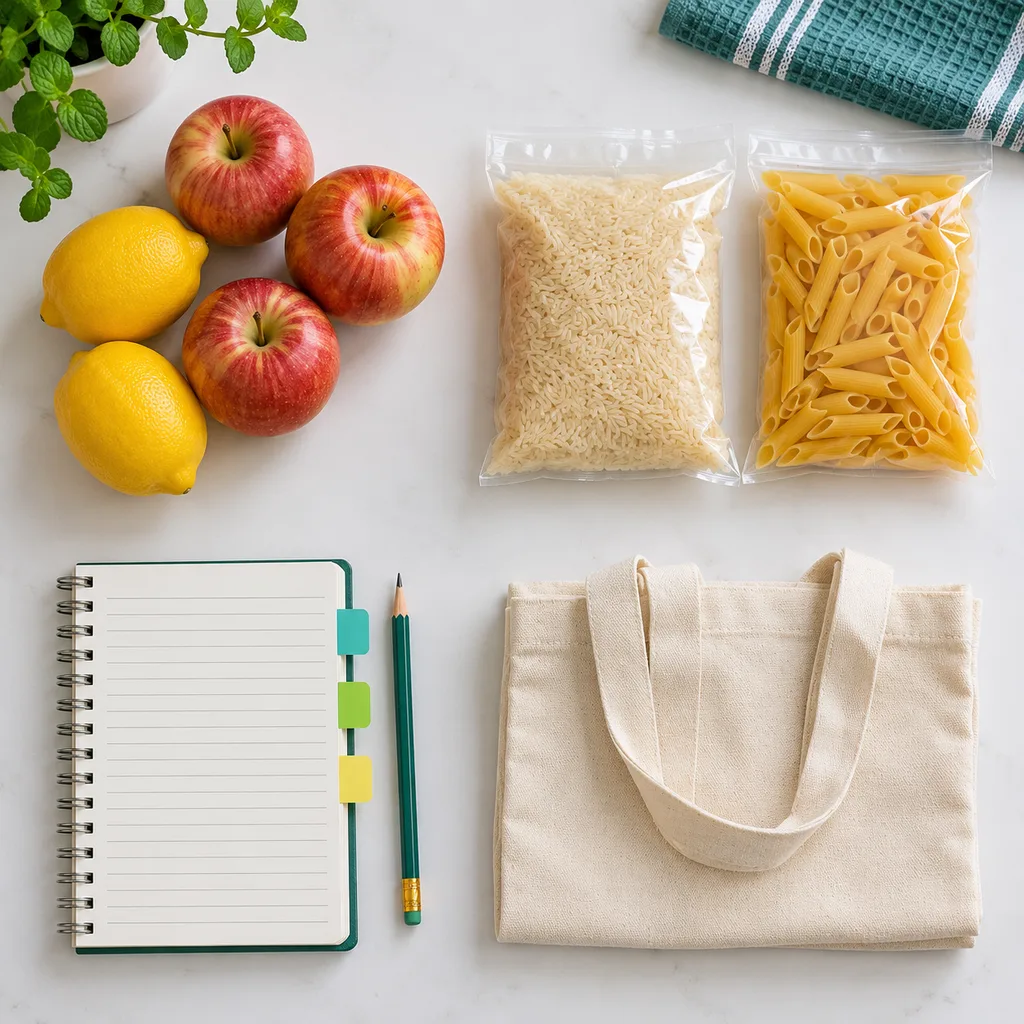
Begin with the groups that help you recognize where an item belongs: pantry and baking, produce, bread, refrigerated, frozen, and any nonfood supplies you genuinely need. Use fewer groups for a short trip. A list of seven items does not need an elaborate classification system.
Then reorder the groups to suit the store. One location may put baking supplies beside dry goods; another may separate specialty ingredients from similar everyday products. A department name is a useful starting point, not proof of an item's exact shelf location.
Add an aisle number only when you have a reliable current reference, such as information supplied for that store location. Keep it alongside the department name so the list remains understandable if the number changes. Do not rely on an old note from a different branch.
For unfamiliar products, leave a short location question rather than guessing. It is easier to ask where a particular ingredient is than to search several departments for a broad entry such as sauce. Keep the product's form visible even when you reorganize the list.
Keep the cold-food stage near checkout
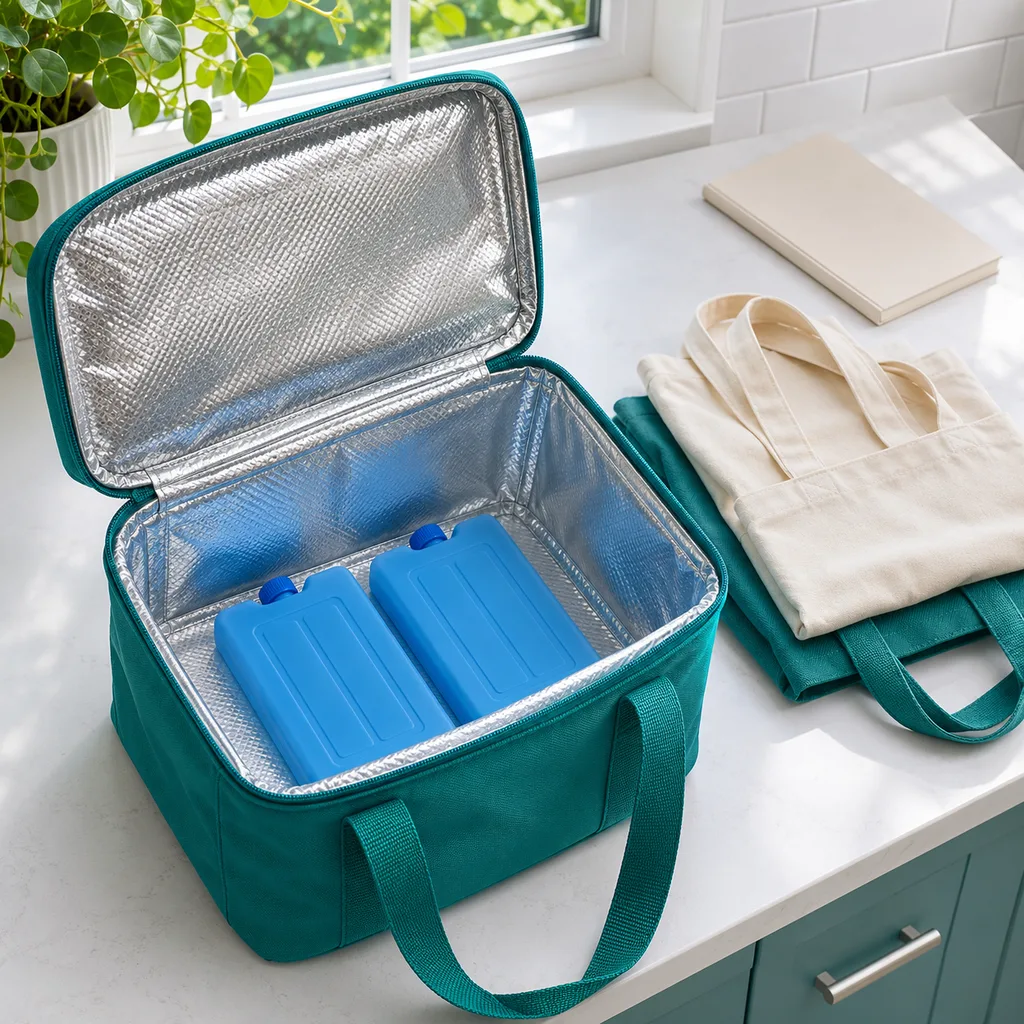
A convenient walking route is not the only consideration. Illinois Extension's shopping guidance recommends selecting shelf-stable items first and hot and cold foods last. Plan the route around that principle rather than collecting everything as soon as you pass its section.
Keep raw foods appropriately separated from ready-to-eat foods and follow their packaging and handling instructions. A list heading does not create physical separation in the cart or bags. Do not combine incompatible items merely because they share the final part of the shopping route.
Have appropriate transport supplies ready when needed and plan to put perishables into suitable storage promptly. An insulated bag is not a guarantee of a particular temperature or a universal holding time. This list template does not set a safe travel duration or replace food-specific guidance.
If the store layout makes the route awkward, make a deliberate return to the cold sections near checkout. It is better to adapt the route than to treat a neat one-way diagram as a rule. Follow current food-safety and product directions when deciding how to handle the purchases.
Use a four-column store-section template
Copy these headings into a note or onto paper. The rows below demonstrate the record format; they are not a shopping prescription. Reorder or remove sections for the actual trip, while retaining the appropriate final stage for hot and cold foods.
| Store section | Item details | Quantity to buy | Decision note |
|---|---|---|---|
| Home supplies, if needed | The specific missing supply | Confirmed count | Check what is already at home |
| Pantry and baking | Exact ingredient and form | Amount still needed | Keep recipe requirements visible |
| Produce or bread | Variety or type required | Amount for the planned use | Confirm a suitable alternative |
| Refrigerated or frozen | Exact product and storage needs | Confirmed amount | Collect in the appropriate final stage |
Write enough detail to distinguish the intended product. A recipe may require unsweetened rather than sweetened, a particular form of tomato, or a specific package quantity. Sorting the list should not erase that information. Keep separate rows when two similar ingredients serve different purposes.
Use the decision-note column for something you genuinely need to check: an acceptable substitute, a package-size question, or a product another shopper should confirm. Avoid filling every cell with generic reminders until the important exception becomes difficult to see.
Decide what to do when the item is unavailable
Before leaving, identify which purchases allow flexibility and which depend on an exact recipe requirement or household need. Do not assume every similar-looking product is interchangeable. A substitution involving ingredients or allergens needs an informed decision, not a shortcut based on shelf position.
Give a second shopper a useful instruction: choose an already agreed alternative, contact the person making the meal, or leave the item unresolved. A clear fallback can be more helpful than a long list of brands without an explanation of what matters.
When several suitable sizes are available, compare like-for-like quantities. Our unit-price comparison guide explains the calculation and why a larger package is not automatically the practical purchase. Keep that decision distinct from finding the correct aisle.
Keep one current copy during the trip

Choose the copy that will be updated as items are collected. If several people shop together, agree on the groups each person is checking and how changes will be communicated. Do not assume an older photograph or a second handwritten version reflects the latest decision.
For a shared digital note, confirm that the people using it can see the current changes before relying on it in the store. For paper, mark collected items clearly and keep unresolved questions visible rather than crossing them out as though the purchase had been completed.
If you move to a delivery order, review the actual cart, selected quantities, and substitution settings. A department-organized list remains a planning aid; it is not evidence that the correct product has been ordered or supplied. Check the finished order against the decisions you made.
Update the route without rebuilding the whole list
After the trip, keep only the location notes that will be useful again. Correct an aisle that changed, rename a confusing group, or remove a category you never use. Treat remembered layout details as notes to verify, not permanent facts about every store.
Keep recurring staples separate from the purchases needed this time. Reusing the headings can save rewriting, but copying every old item into the next list can create an unintended restock order. Check the household's actual needs each time.
A useful store-aisle list has recognizable sections, precise item details, confirmed quantities, and a clear way to handle uncertainty. Build those four parts first. Add more formatting only when it helps the person who will actually do the shopping.
Keep good recipes close
Add The Cooking Twins to your preferred sources on Google for more easy dinners, no-bake desserts and kitchen inspiration.
Emma & Ella Frost
A practical resource from The Cooking Twins.
More from Emma & Ella Frost
Comments
Leave a commentShare your question or planning tip below.