
Thanksgiving Grocery List: A Recipe-by-Recipe Checklist
A practical need, have, buy checklist for Thanksgiving shopping, with ingredient-form examples, shared-dish responsibilities, and storage checks.

By Emma & Ella FrostUpdated November 9, 2026

5-Ingredient Dump & Go Crockpot Meals
101 effortless slow cooker recipes for busy families.
View on AmazonAvailable on AmazonA useful Thanksgiving grocery list starts with the dishes you have actually chosen. Copy each recipe's ingredients, combine matching items, subtract what is already available, and give every remaining item a shopping trip or delivery order. Include the things needed to serve and store the meal, too. That turns a collection of recipe pages into one list you can shop from.
This checklist works whether you are cooking the whole dinner, sharing dishes with guests, or combining homemade food with purchased items. It focuses on what to buy and who will buy it; the separate Thanksgiving oven schedule handles what happens once the food is in your kitchen.
Set the menu before filling the cart
Write down the main dish, sides, dessert, drinks, and any appetizer you intend to serve. Beside each one, mark make, buy ready-made, or guest brings. Confirm the guest contribution before removing its ingredients from your own list. A promised dessert still needs a serving plate, and a purchased side may need refrigerator space or reheating equipment.
A mixed menu is common. In its November 5, 2026 Thanksgiving report, CivicScience found that 39% of respondents planned to combine home-cooked dishes with prepared items. That is reported intention, not completed shopping or a recommendation for your menu.
Keep two counts beside the menu: people eating the holiday meal and people eating other meals at your house. Breakfast supplies and dinner the night before Thanksgiving belong on their own lines, so the carton of broth or bag of potatoes reserved for Thursday does not disappear on Wednesday.
Use a need, have, buy worksheet
Work through one complete recipe at a time, including its toppings, serving suggestions you have selected, and equipment notes. Use these fields on paper or in a spreadsheet:
- Ingredient and form: the full name from the recipe, including details such as dried, unsalted, or full-fat.
- Needed for: every dish that uses it, with each recipe's quantity.
- Total needed: add quantities only after matching their units and ingredient forms.
- Available: the usable amount you actually have, not merely a checkmark that a package exists.
- To buy: the remaining amount, then the package size you intend to purchase.
- Shopper and trip: who is responsible and where the item belongs in the shopping plan.
Keep the dish names beside the total. If you remove a dessert later, you can subtract its ingredients without rebuilding the whole list. Check opened packages and storage instructions before counting pantry stock. If an ingredient is already reserved for another meal, it is not available for this one.
Write ingredient forms, not just names
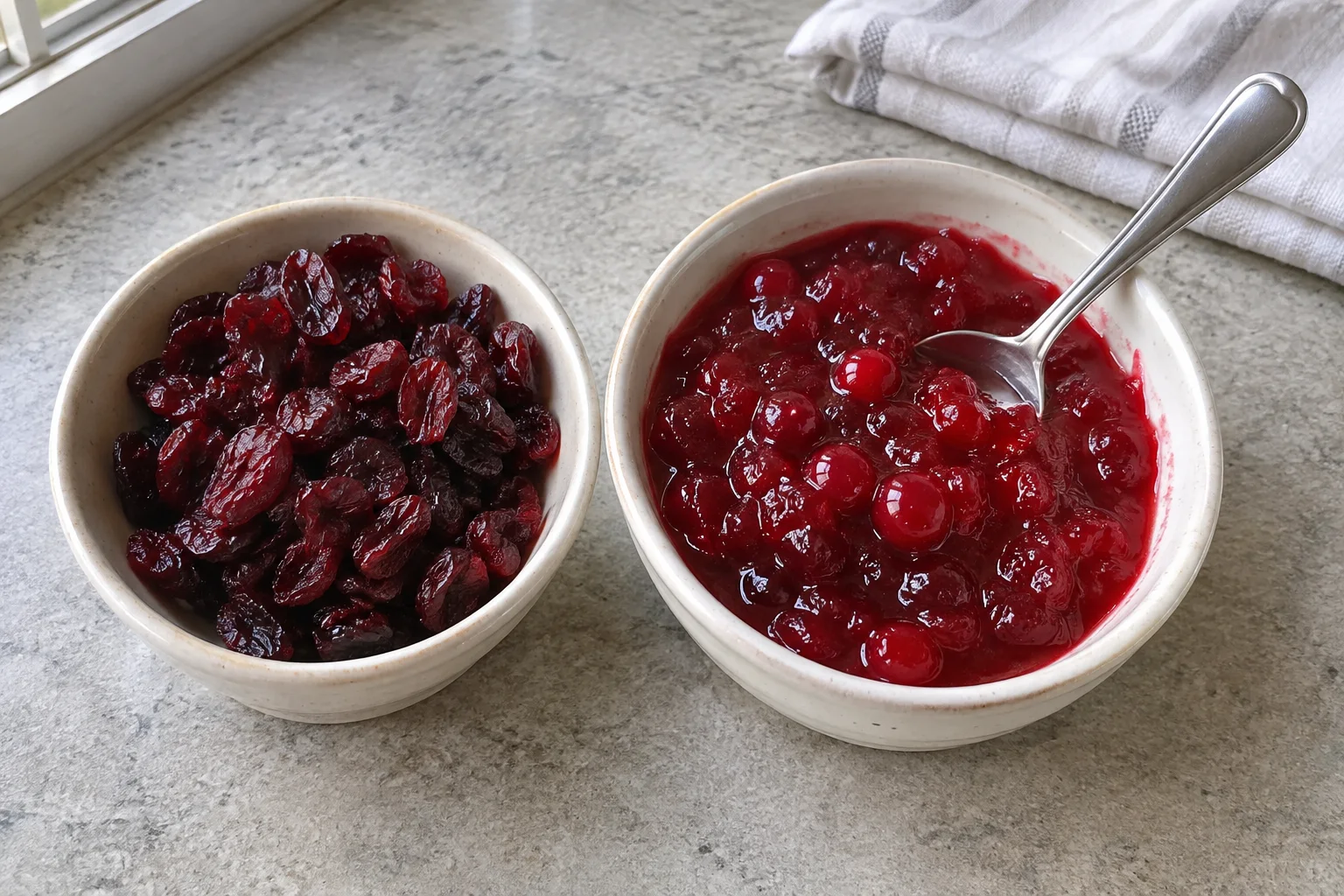
Several holiday dishes can mention the same food while needing different products. Keep those entries separate until you have checked the full recipes. These examples come from existing recipes on this site:
| Recipe | Detail to keep on the list |
|---|---|
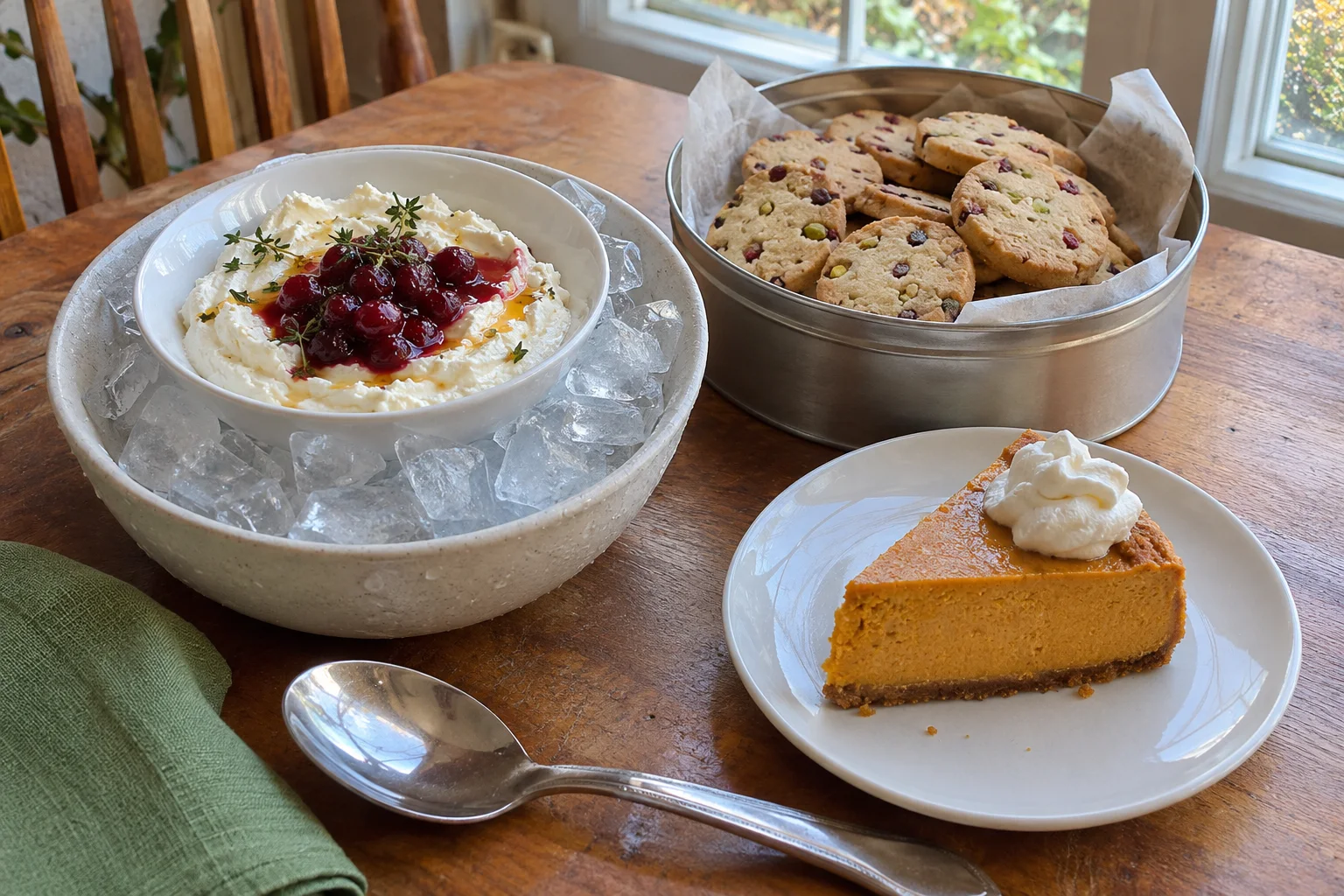
| Cranberry whipped feta dip | Cranberry sauce or jam, plus feta and cream cheese. Include the crackers or pita chips you plan to serve. |
| Cranberry pistachio shortbread | Dried cranberries, salted pistachios, and oranges for zest. Do not combine the dried fruit with the dip's sauce entry. |
| No-bake pumpkin cheesecake | Pure pumpkin puree rather than pumpkin pie filling; full-fat brick cream cheese and gingersnap crumbs. |
This is an ingredient-checking example, not a complete menu or a new set of recipe quantities. Copy the amounts from each chosen recipe. For a delivery order, put essential product details in the item notes and review proposed substitutions before accepting them. A similar name does not establish that a different product will work in a particular recipe.
Sort the finished list into shopping sections
Only after combining the ingredients, group the list in a way that suits your store or delivery app. Use the following as prompts, crossing out anything your menu does not need:
- Produce: vegetables, fruit, herbs, garlic, onions, and citrus used for juice or zest.
- Chilled items: the exact dairy products, eggs, and other refrigerated foods your recipes specify.
- Main dish: the selected protein or prepared centerpiece, including its package instructions and storage needs.
- Pantry and baking: flour, sugars, spices, stock, oils, canned ingredients, dried fruit, and nuts.
- Frozen and bakery: only the crusts, rolls, desserts, or other products actually included in the plan.
- Serving and cleanup: missing serving tools, food-storage containers with matching lids, and other supplies you have checked at home.
Check the tools before buying replacements. If you already own a food thermometer, check that thermometer before holiday cooking. A shopping list should distinguish an item you need to find or check from one you need to purchase.
Assign each item a trip and a place at home
Separate items that can be stored according to their labels until you need them from purchases that require a later pickup or more careful cold-storage planning. Avoid a universal rule that all Thanksgiving groceries should be bought on one particular day. A frozen main dish, a fresh product, and a prepared dessert can have different instructions and space requirements.
The last-minute rush is real on at least one shopping platform: DoorDash's November 4, 2026 report identified Thanksgiving Eve as its busiest grocery day of 2025. That describes DoorDash orders, not every grocery store or a forecast of this year's availability.
For each planned trip, ask: will the product fit where it belongs when it arrives, and will its instructions work with the day you intend to use it? Check any required thawing plan before purchasing a frozen main dish. Do not use a shopping popularity chart as a thawing schedule.
FDA holiday guidance says to keep the refrigerator at or below 40 F and to separate raw meat, poultry, seafood, eggs, and their juices from food that will not be cooked. Plan the storage space accordingly, and put refrigerated purchases away promptly when they arrive. Do not thaw food on the counter.
Check the total cost before adding another dish
Compare the quantities and package sizes you actually need, not just the price of the largest package. Check sale conditions, store-brand options, and any delivery fees against your own budget. Alabama Cooperative Extension's November 3, 2026 holiday shopping analysis recommends comparing offers and considering alternatives; its price observations are not a quote for your local store.
If the total is too high, simplify the menu before improvising changes to a recipe. Removing one optional dish also removes its separate ingredients, serving vessel, and kitchen task. For a shared meal, agree on contributions through the Thanksgiving potluck plan instead of buying ingredients for a dish someone else is bringing.
A final check before checkout
- Every dish has a recipe or a confirmed ready-made purchase.
- Shared ingredients have been totaled without mixing different forms or units.
- Pantry stock has been checked, including how much is left.
- Guest contributions and dietary requirements have been confirmed.
- Each purchase has a shopper, a trip, and suitable storage space.
- Serving tools, containers, and the household's other meals are accounted for.
Keep this one list as the source of truth. When someone buys an item or changes a dish, update the same list. The useful result is not the longest Thanksgiving checklist; it is knowing what is still missing before the cooking starts.
Keep good recipes close
Add The Cooking Twins to your preferred sources on Google for more easy dinners, no-bake desserts and kitchen inspiration.
Emma & Ella Frost
A practical resource from The Cooking Twins.
More from Emma & Ella Frost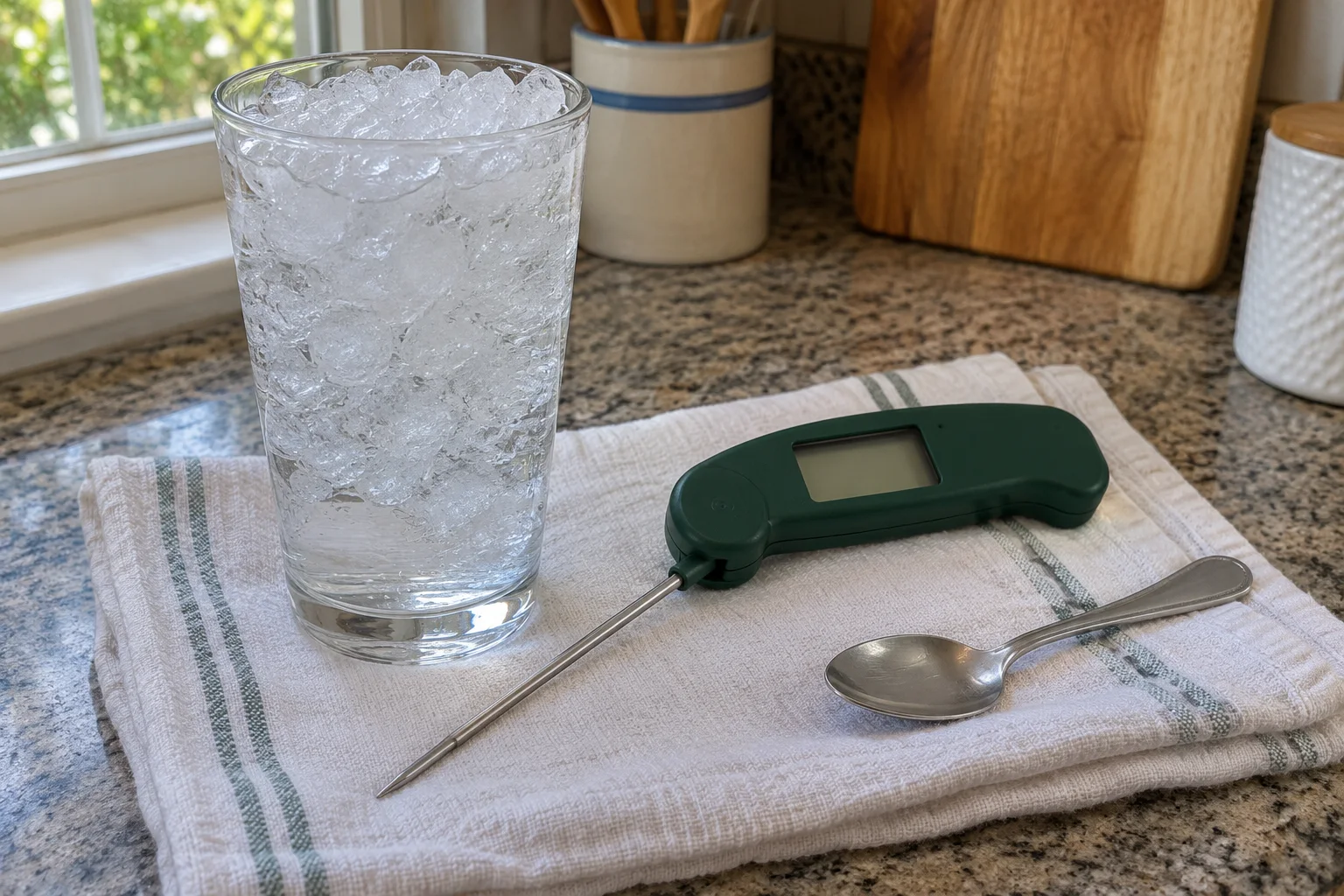
Comments
Leave a commentShare your question or planning tip below.