
Newspaper Wedding Photo Booth Ideas: Make Your Story the Picture
Plan a newspaper wedding photo booth with original paper design, readable headlines, a real photo proof and a clear keepsake handover.

By Emma & Ella FrostUpdated November 17, 2026

5-Ingredient Dump & Go Crockpot Meals
101 effortless slow cooker recipes for busy families.
View on AmazonAvailable on AmazonA newspaper wedding photo booth can be a personal detail rather than a wall covered in unrelated headlines. Start with the picture you want guests to take: a shared paper held in front of them, a newspaper-inspired backdrop, or a small portrait corner with a keepsake to collect afterward. Each version needs a different design.
The ideas below use original wedding copy and artwork, not an imitation of a real newspaper issue. They focus on the printed design and still photograph. They do not supply a backdrop construction plan, a camera installation method or a promise that every reception needs another photo station.
Choose a handheld paper or a background first
A handheld wedding paper becomes part of the pose. Guests can hold it together, peek over the top or fold it beside them. Keep its most important detail where a hand or fold is unlikely to cover it. Try the actual paper with willing helpers before deciding its finished format.
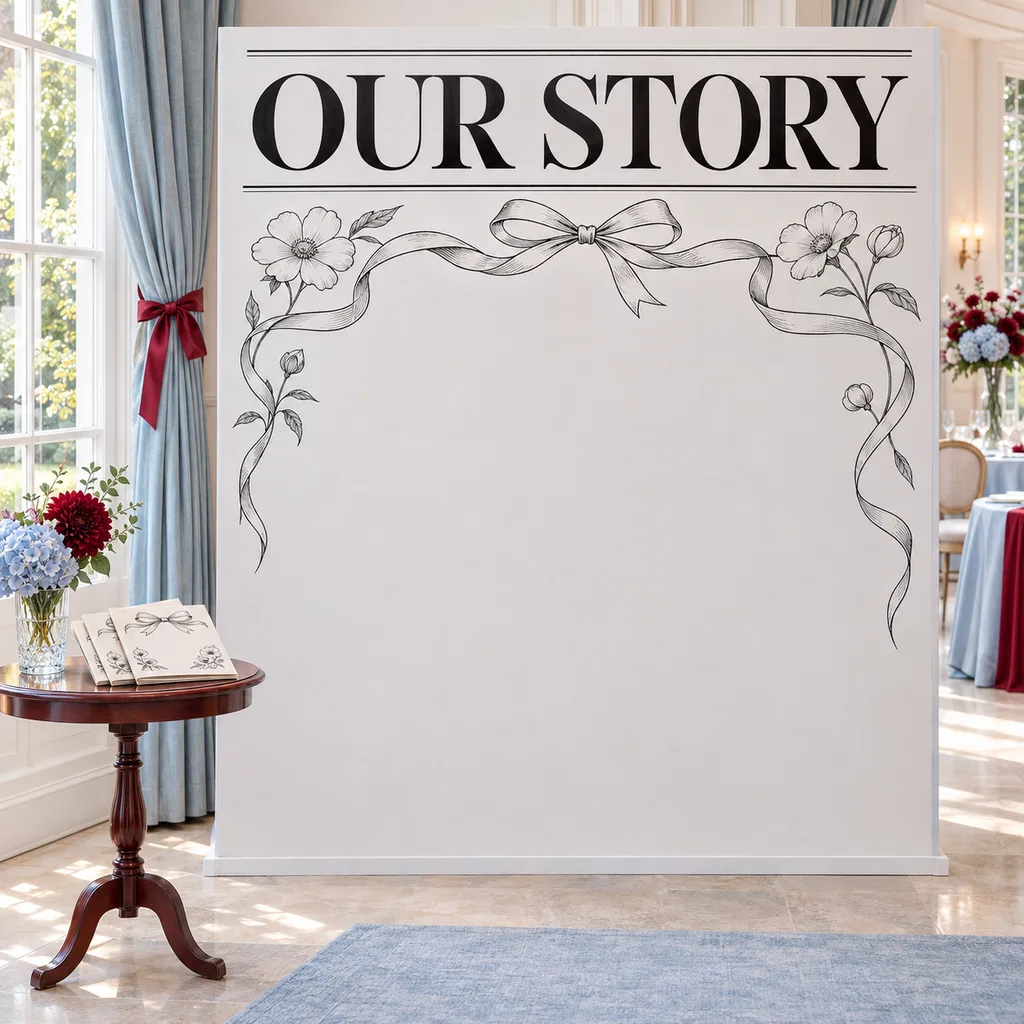
A newspaper-inspired backdrop works differently. People stand in front of the design, so a long story printed across the middle may disappear behind them. Put the main heading where it can remain part of the picture and treat the surrounding space as a border rather than a page that everyone must read.
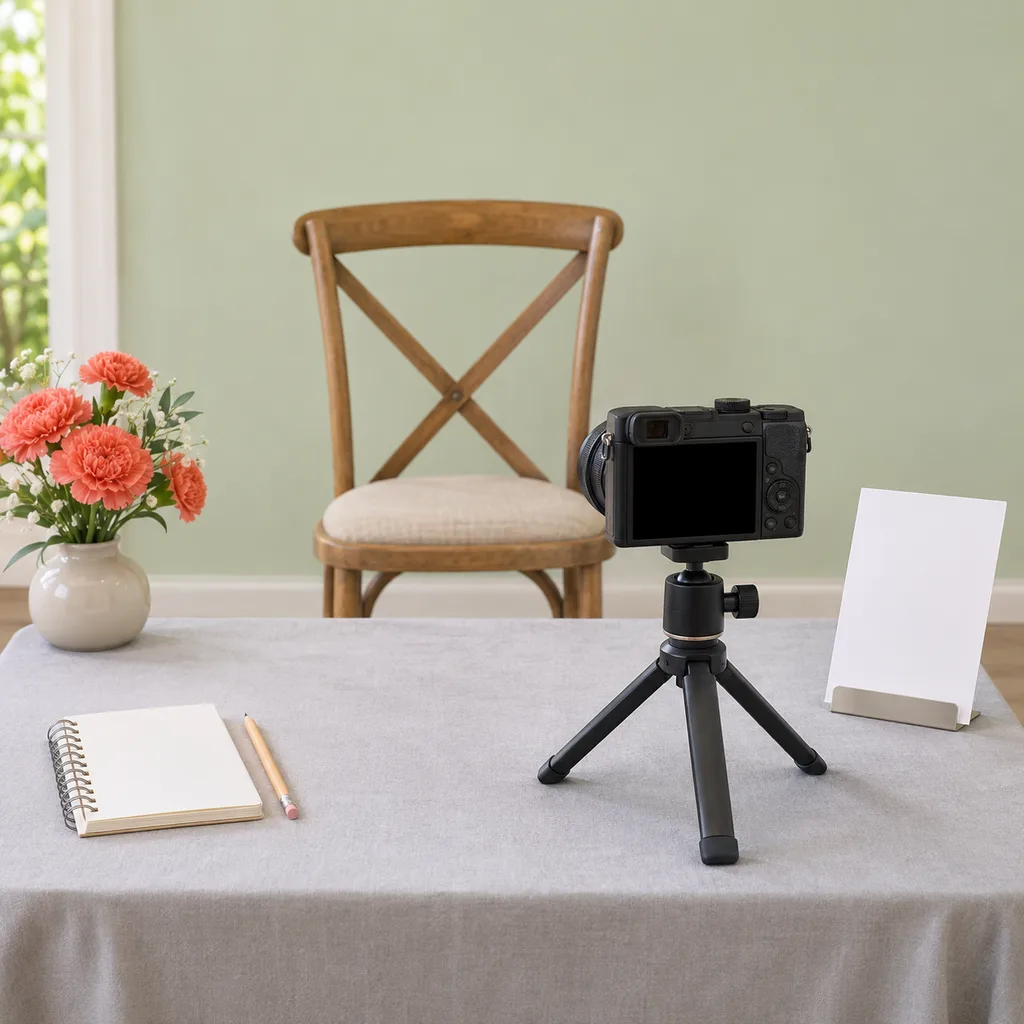
A third option is a simple portrait spot with a separate stack of papers. The background can stay quiet while the paper carries the personal story. This separates the photograph from the reading task and lets someone collect the keepsake without joining a pose.
Build an original front page around one story
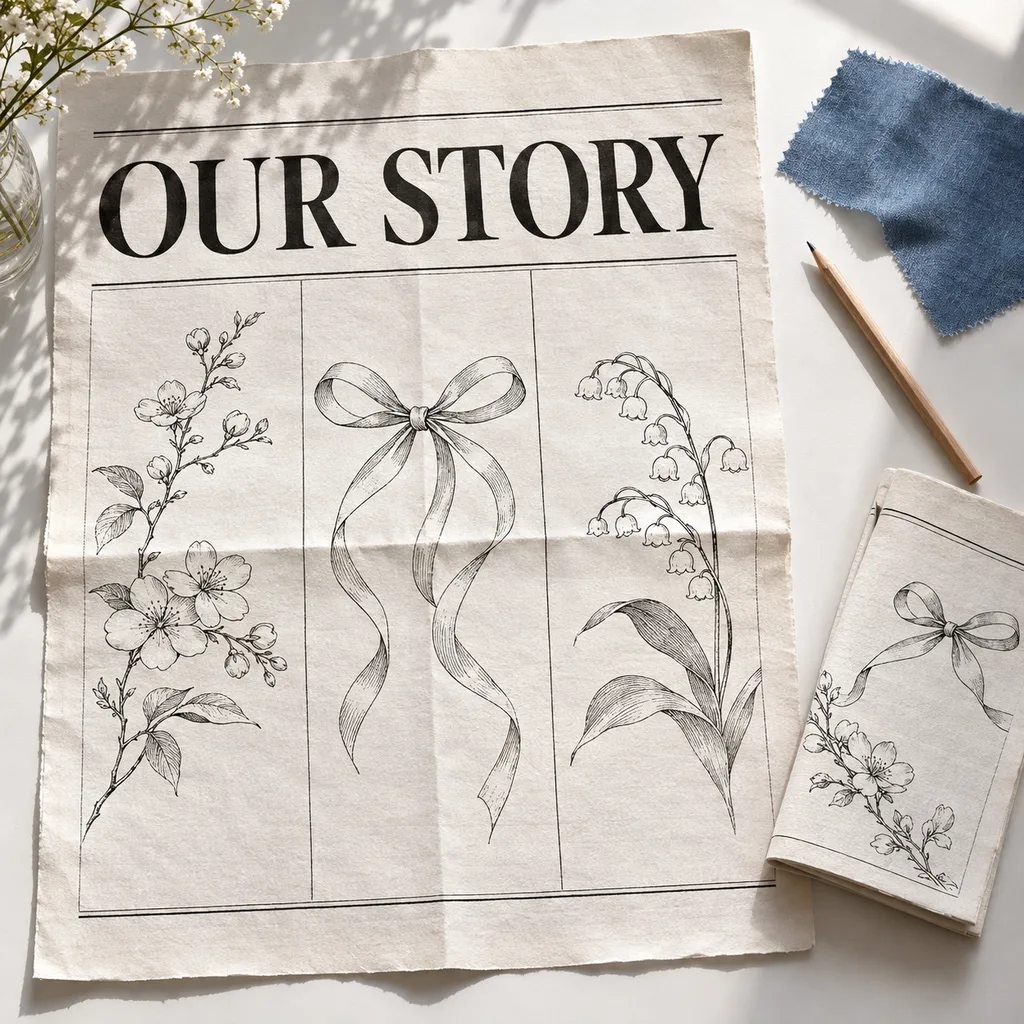
Choose one short lead idea before opening a design template. It might be how the couple met, a shared interest or a welcoming note about the celebration. Ask the couple which details they actually want printed. A private anecdote does not become suitable for display merely because it makes an amusing headline.
Give the page a clear order: heading, one main feature, supporting details. An original title such as "Our Story" can establish the mood without pretending that a news organization has covered the wedding. Use the couple's approved wording for names and event details, not invented quotations from guests.
For a bold black-and-white version, pair a generous serif heading with thin dividing rules and a simple illustration. A softer version can repeat a reception color in a border or small accent while leaving the main lettering dark and clear. The newspaper idea comes from the visual hierarchy; it does not require filling every gap with tiny text.
Use original writing and artwork, or material for which you have the appropriate permission. The U.S. Copyright Office explains that copyright protects original expression, including writing and artwork, rather than ideas themselves. Borrowing the idea of a front page is different from copying someone else's article, illustration or photograph. Resolve any uncertain permission before placing the material in the print file.
Give the readable story and the photo different jobs
A paper someone reads at a table can hold more detail than a backdrop seen in a portrait. If you want a longer story, put it in the take-home version and let the photo design use a shorter heading. Do not force guests to act as a reading stand for a crowded page.
Consider an original illustration of a place meaningful to the couple, a simple ribbon drawing or a short approved memory. Leave enough visual breathing room for that choice to feel deliberate. Several competing pictures, long columns and decorative headings can make the photograph about the page rather than the people.
If you include an event date or schedule, proofread it against the confirmed plan. Keep sensitive contact information, home addresses and private messages out of a public-facing paper. A keepsake may leave the reception, so decide what you are comfortable having other people retain.
Rehearse the photograph before ordering the full run
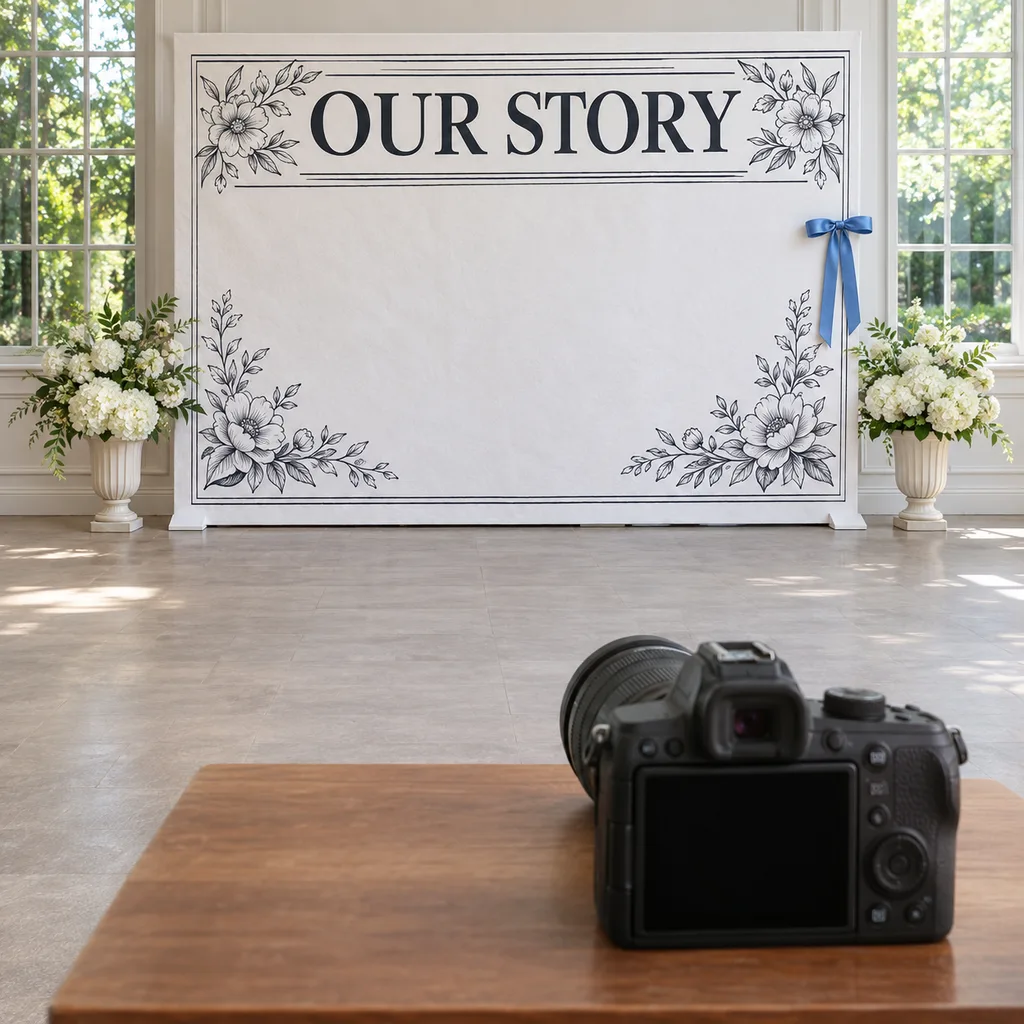
Ask the photographer or booth provider how the intended setup will be photographed. Show them the actual proof rather than a description of a newspaper wall. Check the composition with the proposed background and the paper held where guests would use it.
Review a real sample image for the heading, folds and hands. Does the paper cover faces? Is a large word cut off? Does the backdrop text sit behind someone's head? Change the design or pose if those details make the picture confusing. An attractive print preview is not evidence that the same layout works in the camera frame.
Have the printer review the finished size, file requirements and paper choice for the intended use. Ask for an appropriate proof before committing to the full quantity. Do not assume a downloadable screen image will print cleanly at backdrop size or that a paper suitable for a small keepsake suits a large display.
Place the station where the activity makes sense
Keep the photo activity separate from an arrival task if people pausing to pose would interrupt it. Our wedding welcome table guide covers greeting and paper pickup; a portrait spot needs its own agreed position and a place for people to pause.
Confirm the location and permitted display with the venue and the actual supplier. Let qualified providers specify supports, installation and equipment arrangements. Do not infer anchoring, clearances or stability from an inspiration photograph, and do not build a wall by attaching loose paper to an unapproved surface.
Keep a spare-paper location distinct from the used-paper return. A modest side surface can hold a fresh stack if the venue approves it. Avoid adding drinks, fragile decorations or several unrelated activities simply because the table has space.
Make the invitation simple and optional
A short invitation can say, "Take a photo with our story." Add the actual pickup or return instruction only after choosing the workflow. If papers are keepsakes, say so; if they are shared props, give them an obvious return place.
Decide who operates the camera and how guests receive their pictures with the provider. Do not promise instant downloads, a gallery or a printed photo unless that service is genuinely included and tested. Ask before including someone in a photograph, and agree separately on any public sharing.
If you also want recorded messages, use a distinct video guestbook plan. A still-photo paper prop does not establish a recording, saving or file-delivery workflow. You can choose one activity without adding the other.
Pack the papers and final files for the handover
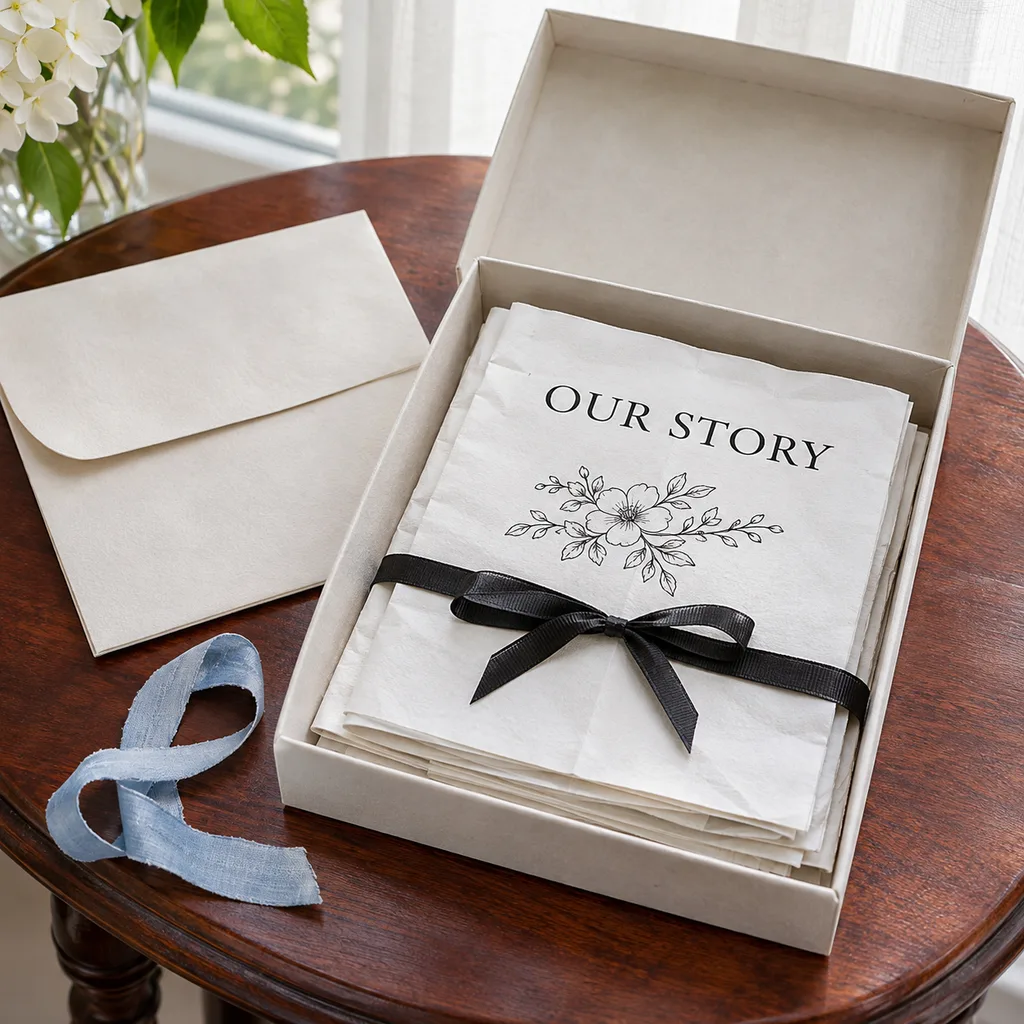
Keep one approved reference copy with the setup instructions, and make clear which version is final. Name the person who brings the papers, checks the display and collects the remaining keepsakes. Separate spare copies from any proof carrying corrections.
Agree what happens to the large display and unused papers after the celebration. Follow the supplier's collection arrangements for rented items, and keep the approved print file with the person responsible for future copies. A decorative box is convenient packaging, not a guarantee of long-term preservation.
The strongest newspaper wedding photo booth gives guests an understandable activity and the couple a story they are happy to share. Choose the format first, keep the page original, and judge the design in a photograph before turning it into a full reception order.
Keep good recipes close
Add The Cooking Twins to your preferred sources on Google for more easy dinners, no-bake desserts and kitchen inspiration.
Emma & Ella Frost
A practical resource from The Cooking Twins.
More from Emma & Ella Frost
Comments
Leave a commentShare your question or planning tip below.