
Creative Wedding Seating Chart Display Ideas That Guests Can Follow
Compare framed seating lists, grouped tabletop cards and escort-card displays, with practical checks for guest lookup, table labels and last-minute changes.

By Emma & Ella FrostUpdated November 16, 2026

5-Ingredient Dump & Go Crockpot Meals
101 effortless slow cooker recipes for busy families.
View on AmazonAvailable on AmazonA wedding seating chart should help a guest find the right table before the decoration asks for attention. Begin with the confirmed seating plan, then choose a display that makes names and table labels easy to locate in the actual reception space.
The options below are original display proposals: a framed list, grouped tabletop cards and an escort-card arrangement. They are not photographs of a real wedding or instructions for installing large signs. Work with the venue on placement, supports and the route guests will use.
Choose the lookup method before the decorative format
Decide whether guests will look for their names alphabetically or scan groups arranged by table. Alphabetical organization gives someone a direct starting point when they do not know their table. A table-grouped chart shows the seating groups together, but guests must still find their own names.
Neither choice fixes an unclear layout. Use a consistent name format, visible group labels and the same table names or numbers used in the room. Do not rely on a color alone to explain where a guest should go.
Confirm how plus-ones, households and guests with similar names will appear. Check spelling with the people managing the guest list. Keep private contact details and planning notes out of the public version.
Use a framed list when one clear reading surface fits
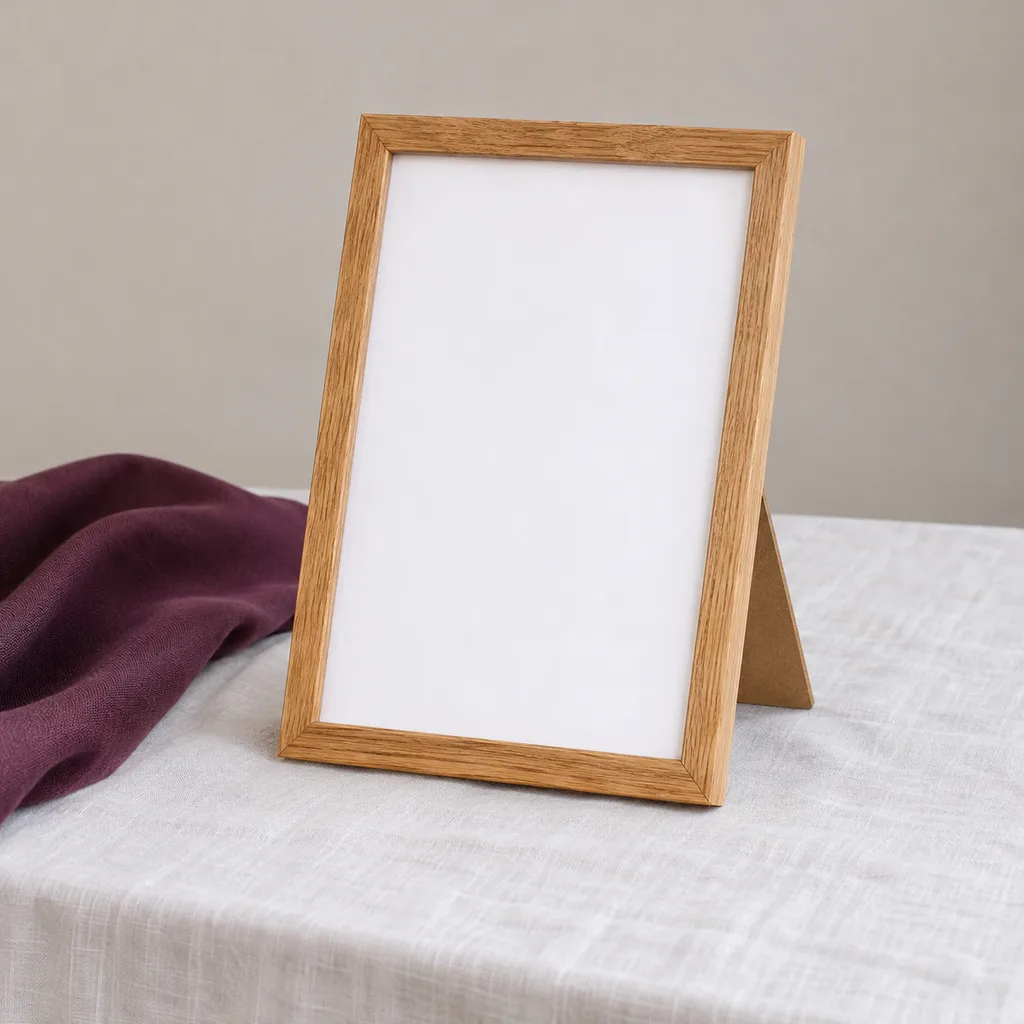
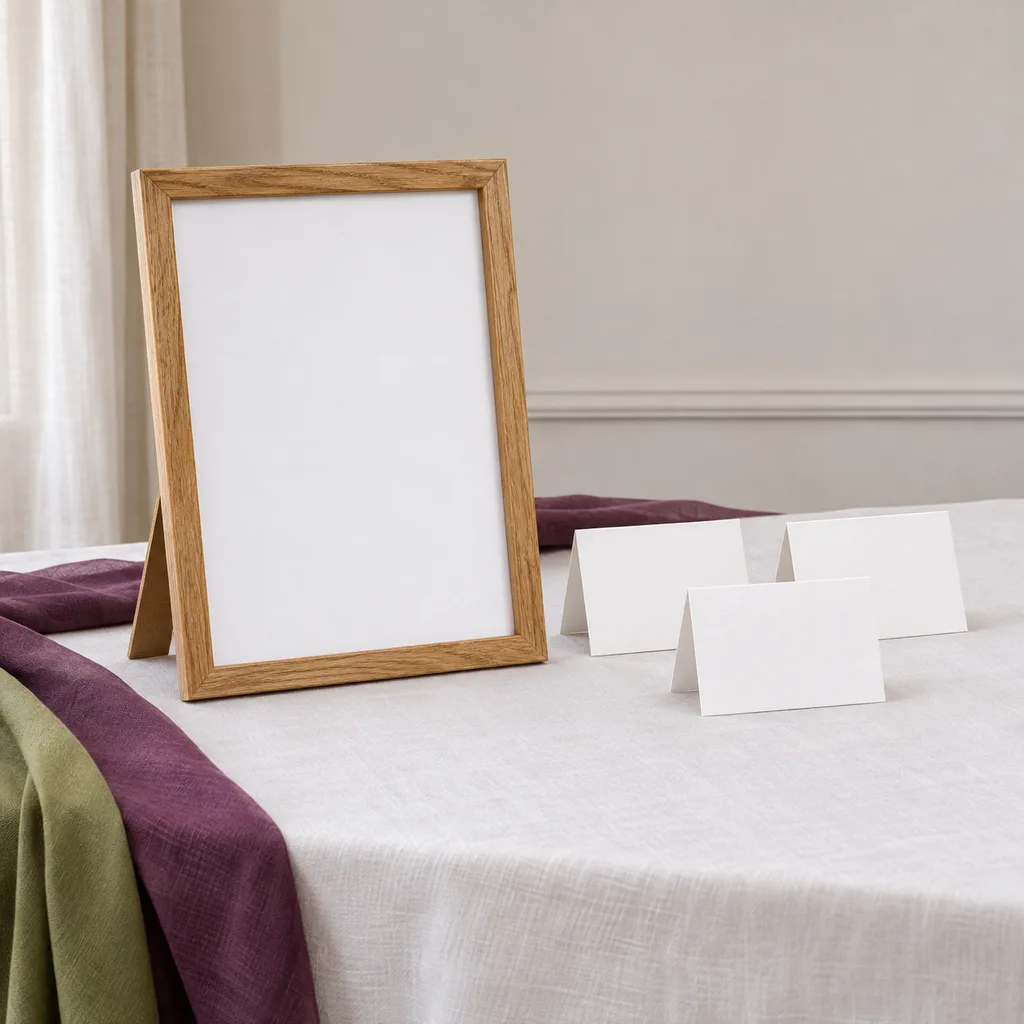
A simple printed list in an existing frame can suit a restrained reception. Keep the text area separate from decorative borders and leave visible space between groups. A plain background and clearly contrasting lettering are easier to assess than text over a busy photograph.
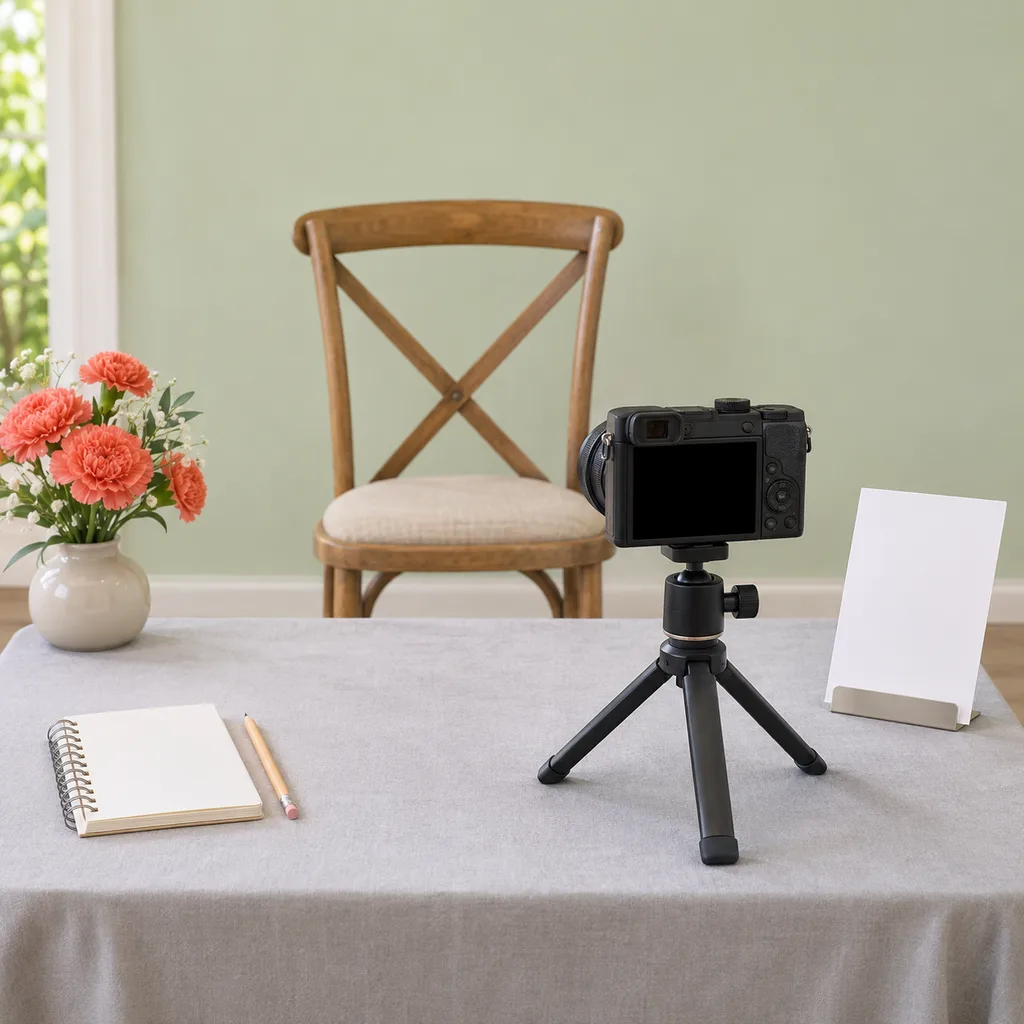
Print a sample at its intended size, then ask someone unfamiliar with the layout to find a name from the expected viewing position. If they need you to explain the organization, revise it before producing the final version. There is no universal font size that works for every room and list.
Use a support appropriate for the frame and venue. This guide does not provide a mounting or wind-resistance specification. Confirm that the proposed position does not obstruct entrances, service access or the agreed circulation route.
Group tabletop cards when the list benefits from smaller sections
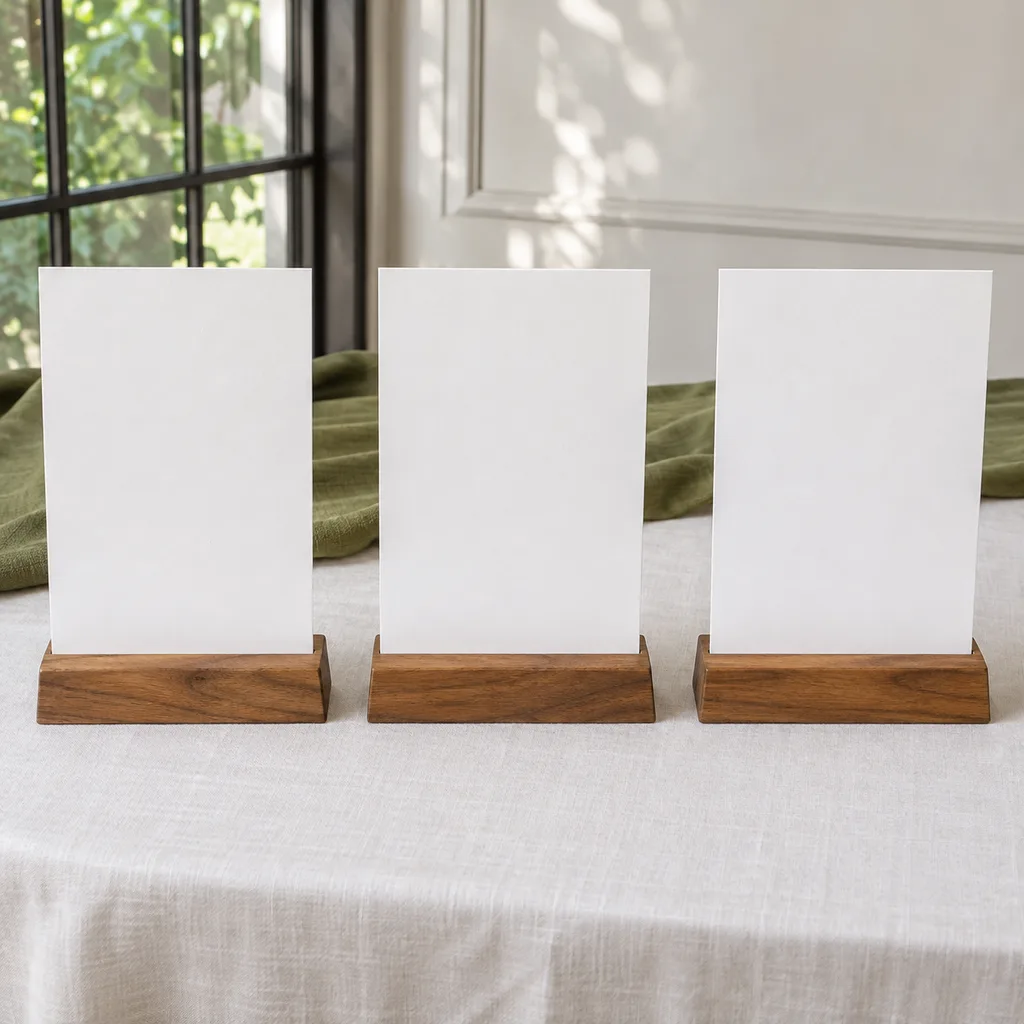
Separate cards can divide the list into clear alphabetical groups or tables. Arrange them in a visible reading order rather than scattering them among unrelated decorations. Repeat the same headings and text treatment so guests do not have to learn a new layout for each card.
Choose freestanding holders intended for the actual card format, and check the assembled display on its real surface. A pretty photograph does not establish that a holder fits a thicker card or remains stable in the venue.
If several guests approach together, consider how they will read without moving cards or leaning across other objects. Ask the venue to review the arrangement in context rather than assuming a wider table automatically solves the flow.
Try escort cards when each guest will take a card
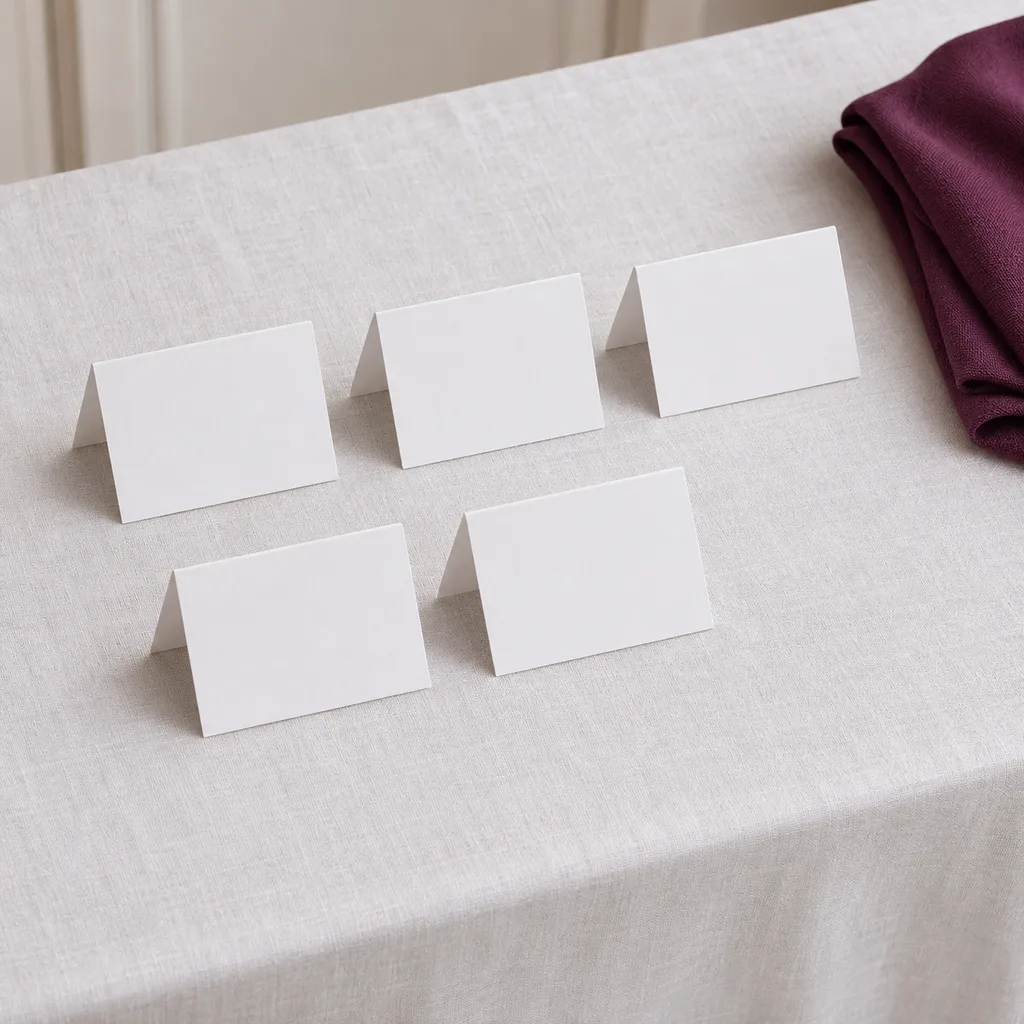
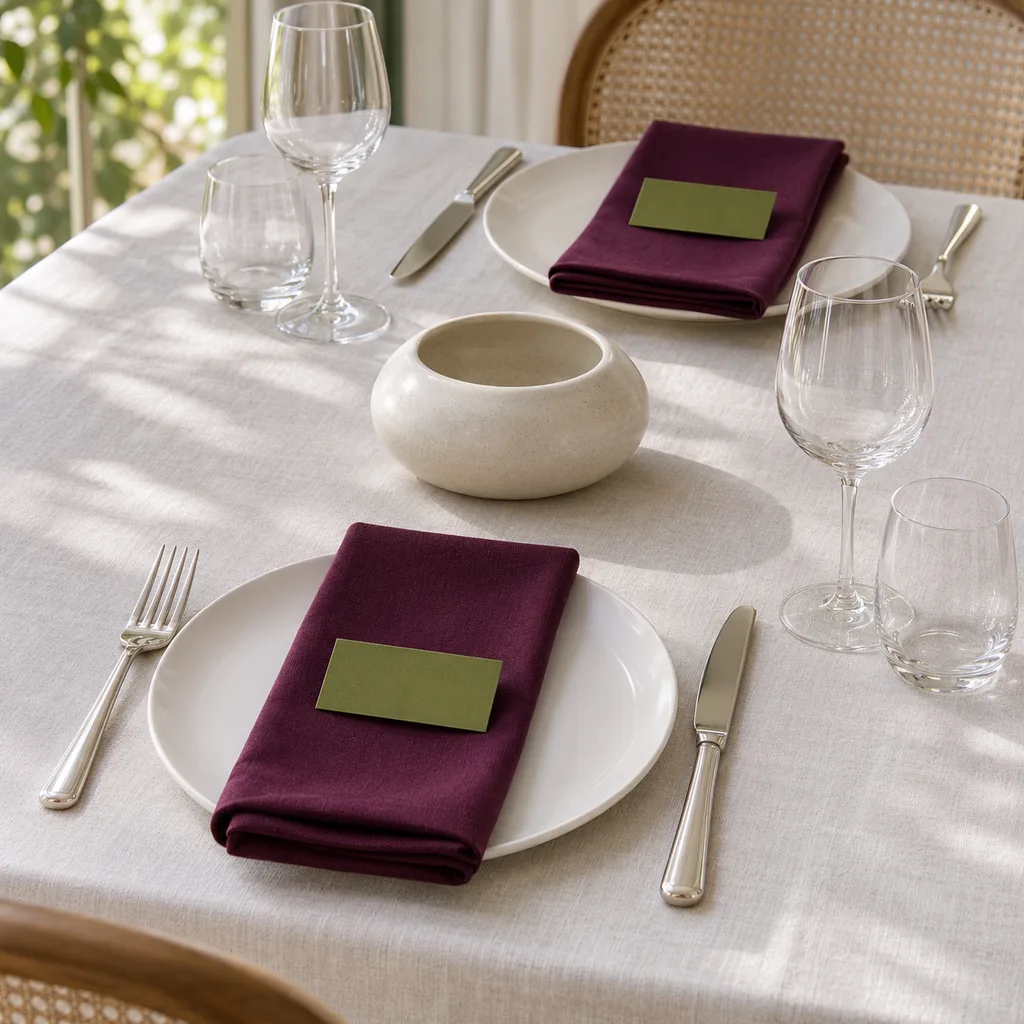
An escort-card display gives each guest a removable card identifying their table. It is different from a place card waiting at a particular seat. Agree which system the reception uses before preparing either set.
Put the cards in a consistent lookup order and keep the table information on the card itself. The arrangement should still make sense after early guests remove theirs. Avoid a pattern that depends on every card staying in position to communicate the order.
Keep decorative attachments optional and consider the actual guests handling them. Do not imply that a craft item is suitable for food contact or safe around children merely because it matches the palette.
Coordinate the chart with the welcome area and table labels
A welcome sign greets people; a seating display answers a specific question. They can share colors without being the same sign. The wedding welcome-table guide covers the broader arrival setup, while the seating display needs its own clear reading area.
Repeat a modest detail from the plum-and-olive palette guide if that suits the room, but keep the names readable. A colored border or holder can carry the palette without turning every line into decorative lettering.
Compare the final chart with the actual table labels. If the chart says Table Four but the room uses a different name, the display has not completed its job. Confirm the naming system with whoever sets the reception tables.
Prepare for changes without rebuilding the display
Keep an editable master of the approved list and agree who can change it. Review a final proof for spelling, missing guests, duplicate entries and table labels. A decorative sample with fictional names should not be mistaken for the approved guest list.
Choose a practical way to replace the affected section if an arrangement changes. That might be a reprinted card or a new complete list; avoid promising that handwritten patches will remain clear until you have checked them in the actual design.
Give the setup person the latest approved version and a placement note. A seating display works when the information, physical support and arrival plan agree, not simply when the colors coordinate.
Keep good recipes close
Add The Cooking Twins to your preferred sources on Google for more easy dinners, no-bake desserts and kitchen inspiration.
Emma & Ella Frost
A practical resource from The Cooking Twins.
More from Emma & Ella Frost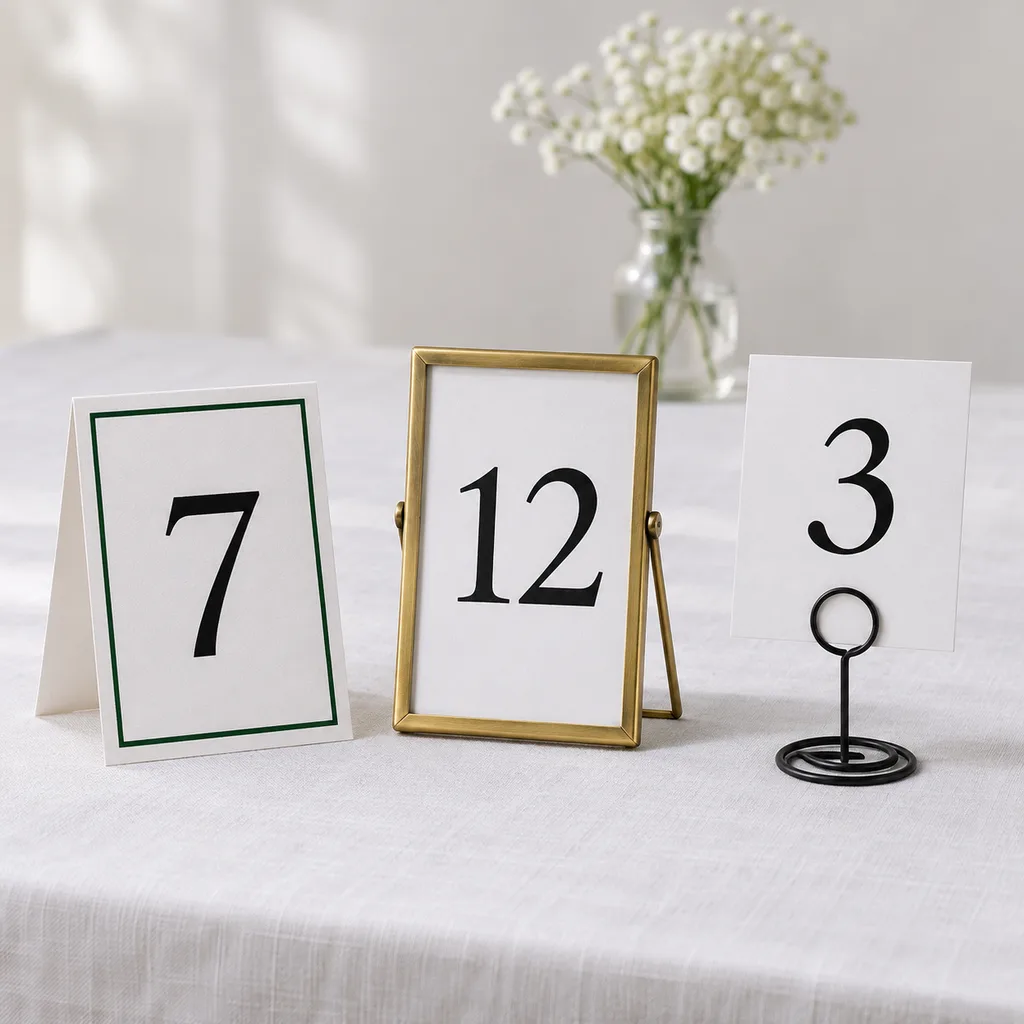
Comments
Leave a commentShare your question or planning tip below.