
Blue and White Tablescape Ideas: Three Looks With Everyday Pieces
Try three blue and white tablescape ideas with striped napkins, patterned plates or navy accents. Balance useful place settings and a clear serving space.

By Emma & Ella FrostUpdated November 16, 2026

5-Ingredient Dump & Go Crockpot Meals
101 effortless slow cooker recipes for busy families.
View on AmazonAvailable on AmazonA blue and white tablescape can start with ordinary white dinner plates and a single blue detail. You do not need a complete set of patterned china, colored glasses and matching linens. Choose where the blue will appear most clearly, then let the rest of the table support it.
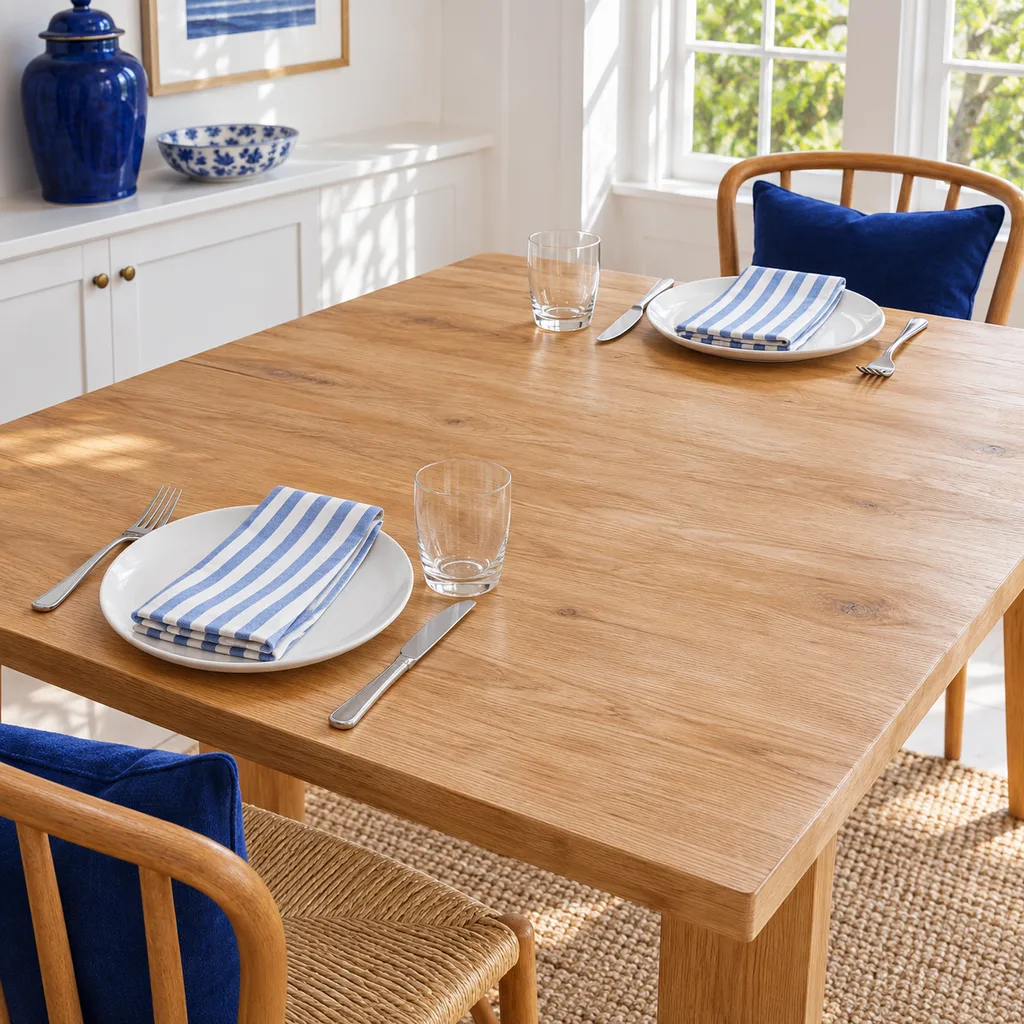
The three arrangements below use different balances of pattern and texture: a striped everyday table, a patterned-plate dinner, and a mostly white table with dark blue accents. They are design starting points, not rules about what you must buy. Use the pieces you have and adjust the setting to the meal.
Choose one piece to lead the blue and white scheme
Set a dinner plate, a napkin and your intended table covering together before decorating the whole table. If the plate is plain, a striped napkin can provide the pattern. If the plate already has a detailed blue border, a solid napkin gives it room to stand out. Choosing the lead piece first makes later decisions simpler.
Compare the actual pieces in the room where you will eat. A blue that looks bright beside a window may look much darker under your evening lighting. Whites can also differ: an ivory cloth and a bright white plate do not have to match exactly, but seeing them together helps you decide whether the contrast feels intentional.
Repeat a color in a few useful places rather than adding an unrelated blue object to every empty spot. For example, a navy napkin and a blue-rimmed serving bowl can connect opposite ends of the table. Keep enough plain surface visible to distinguish the individual patterns.
Try a striped everyday table with plain white plates
For the most relaxed version, use white plates, clear drinking glasses and blue striped napkins. A bare wood table or a plain washable cloth keeps the stripes easy to read. Fold the napkins simply rather than hiding most of the pattern inside an elaborate shape.
If you have a blue striped runner instead, use solid napkins and let the runner provide the rhythm. Check that it does not bunch beneath glasses or leave serving bowls unsteady. The stripe is a visual element, not a reason to cover the entire table in coordinating textiles.
Add one low, stable decorative vessel if there is room after setting out the meal's serving pieces. It can be plain white; it does not need to introduce another motif. Leave the arrangement out entirely when the food needs the center space. The blue napkins still make the table feel deliberate.
Let patterned plates lead a dinner setting
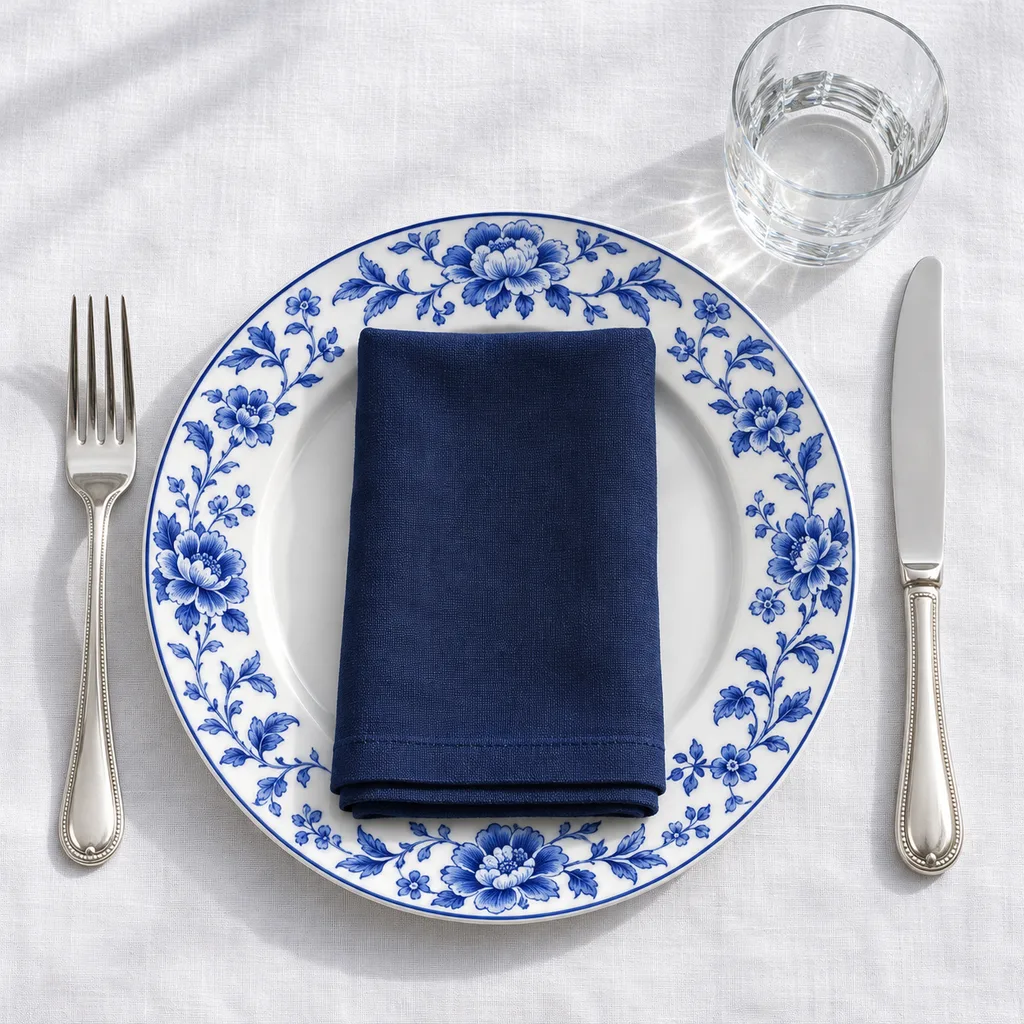
Blue floral, geometric or scenic plates can carry the whole scheme. Place a patterned plate on a plain cloth and try it with a solid blue napkin, then a white one. The first emphasizes the color; the second makes the plate's edge the main detail. Choose the version that lets the pattern remain clear.
Different blue patterns can work together when there is a shared element: a similar border weight, a repeated shade or a consistent plate shape. Arrange the pieces as a group before committing. If the combination feels busy, replace one patterned layer with a plain plate instead of adding more accessories to pull everything together.
Use tableware intended for serving food. A decorative or vintage-looking object is not automatically a suitable dinner plate; verify its intended use and care instructions. An unverified decorative plate can remain part of a separate display rather than touching the meal.
Build a mostly white table with navy accents
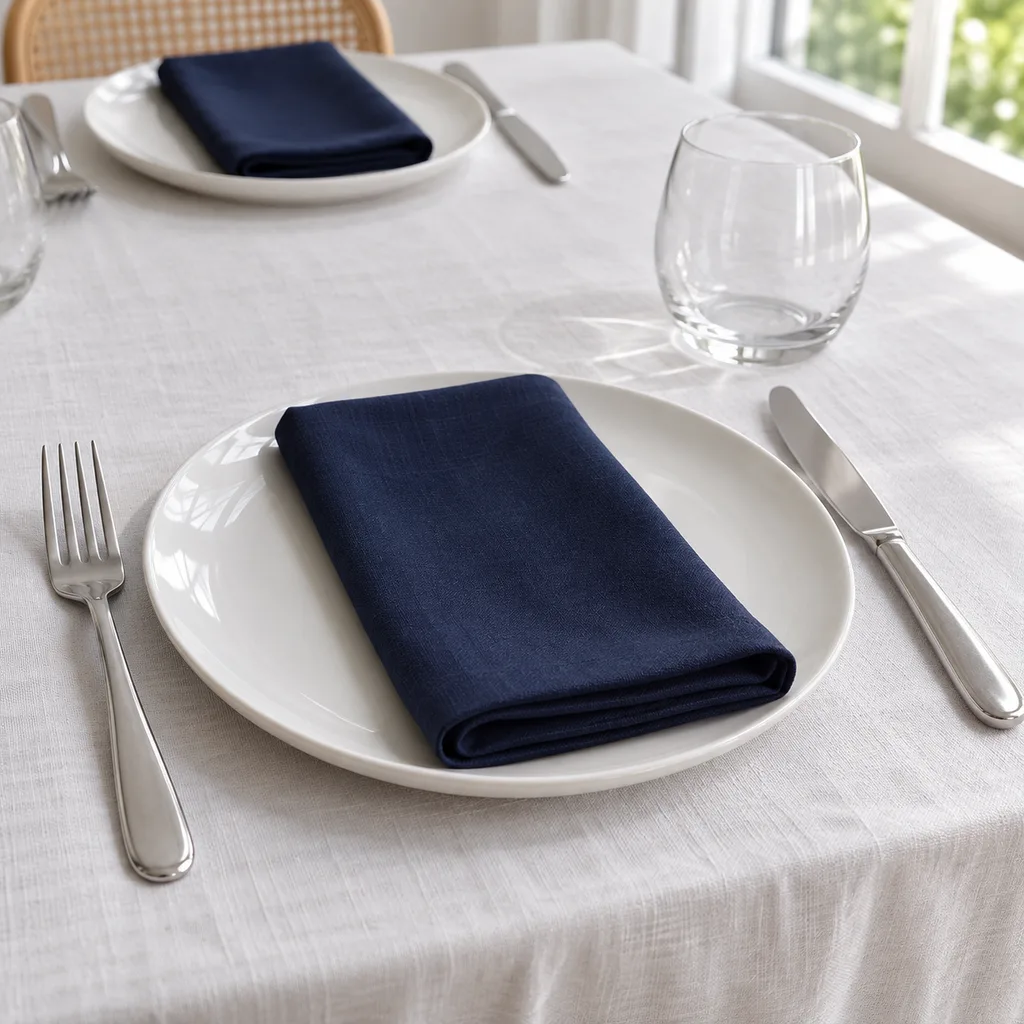
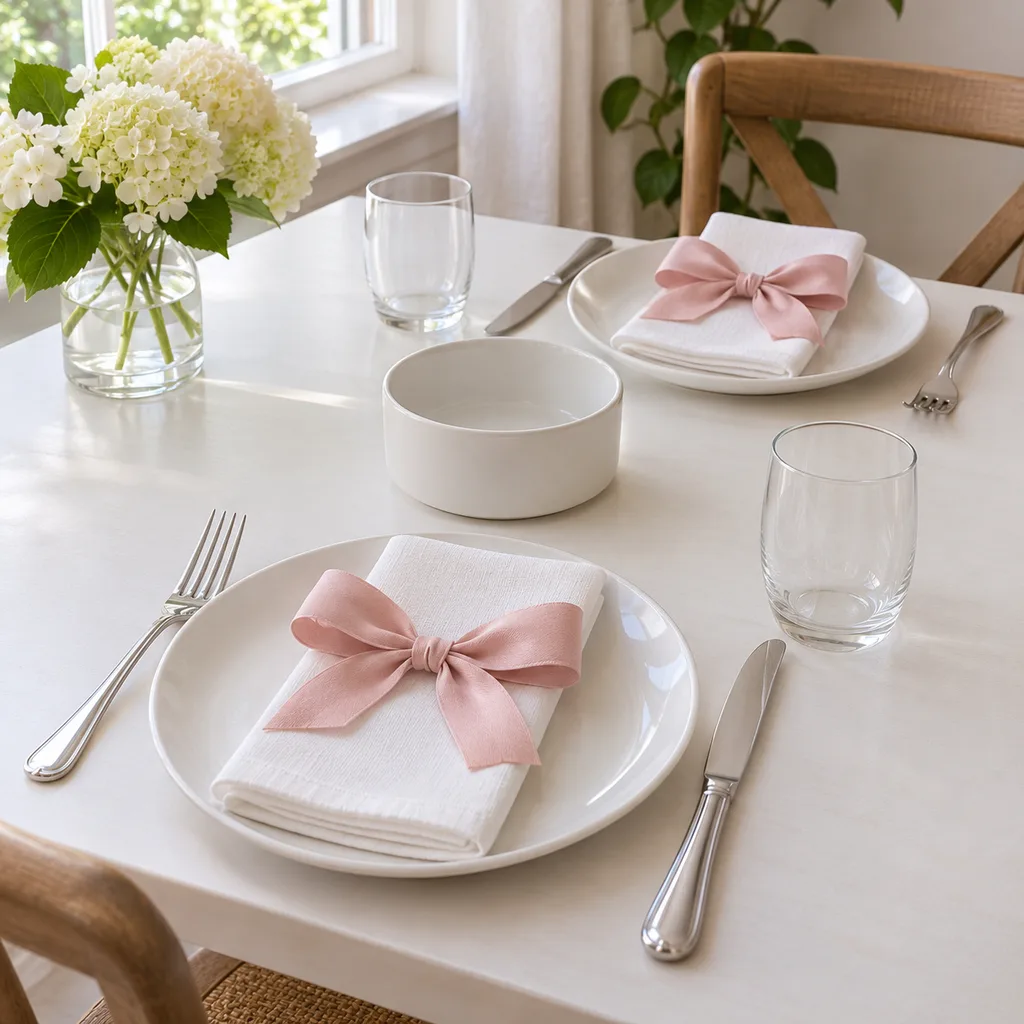
For a quieter arrangement, keep the plates, table covering and serving pieces white and use navy in just the napkins or a narrow textile accent. Clear glassware and simple flatware leave the contrast easy to see. This approach is useful when the room already contains several patterns.
Texture can provide variation without another print: a woven napkin, a smooth glazed plate and a plain glass have different surfaces even when the palette is restrained. Check that mats and cloths lie flat and do not interfere with the place settings.
You can make the contrast softer with a lighter blue napkin instead of navy. Do not add a new shade merely to use every blue item in the cupboard. A smaller selection often makes the relationship between the pieces clearer.
Set the tools for the meal before adding decoration
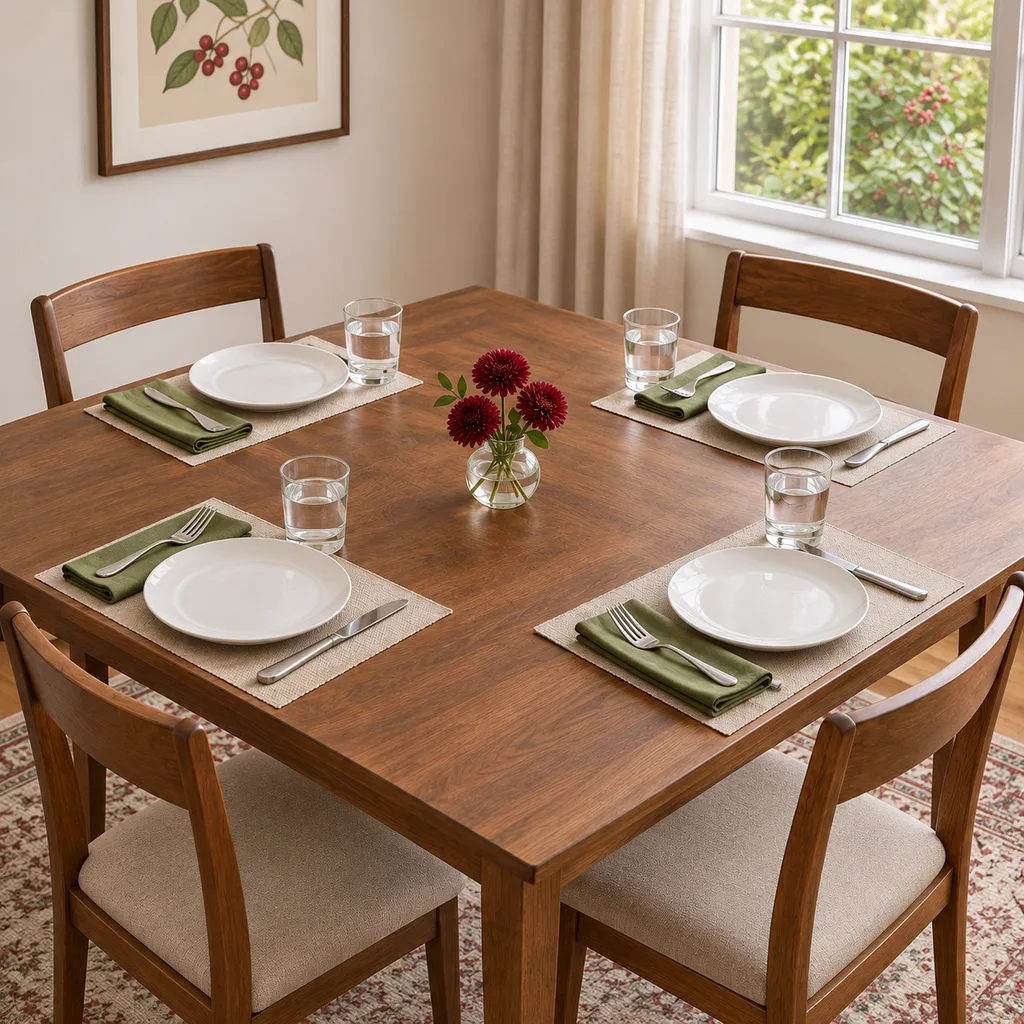
A color scheme should not make it harder to use the table. Start with the plate and the utensils needed for the food you plan to serve. In a basic US-style setting, the fork belongs on the left and the knife on the right with its blade toward the plate; a needed spoon goes beyond the knife. University of Georgia Extension's place-setting guide illustrates these arrangements and places drinking glasses toward the upper right.
Treat that as a practical reference, not a demand for a formal service. Adapt the layout to your guests and the meal, and avoid extra utensils solely to make a photograph look elaborate. Additional pieces can arrive with the course that needs them.
Set a serving bowl, water pitcher and any shared dishes in their intended places before filling the center with decoration. Sit down and check that each glass and utensil can be reached comfortably. If a patterned charger crowds the setting, omit it; the plate and napkin can carry the design without another layer.
Choose a centerpiece that leaves the table usable
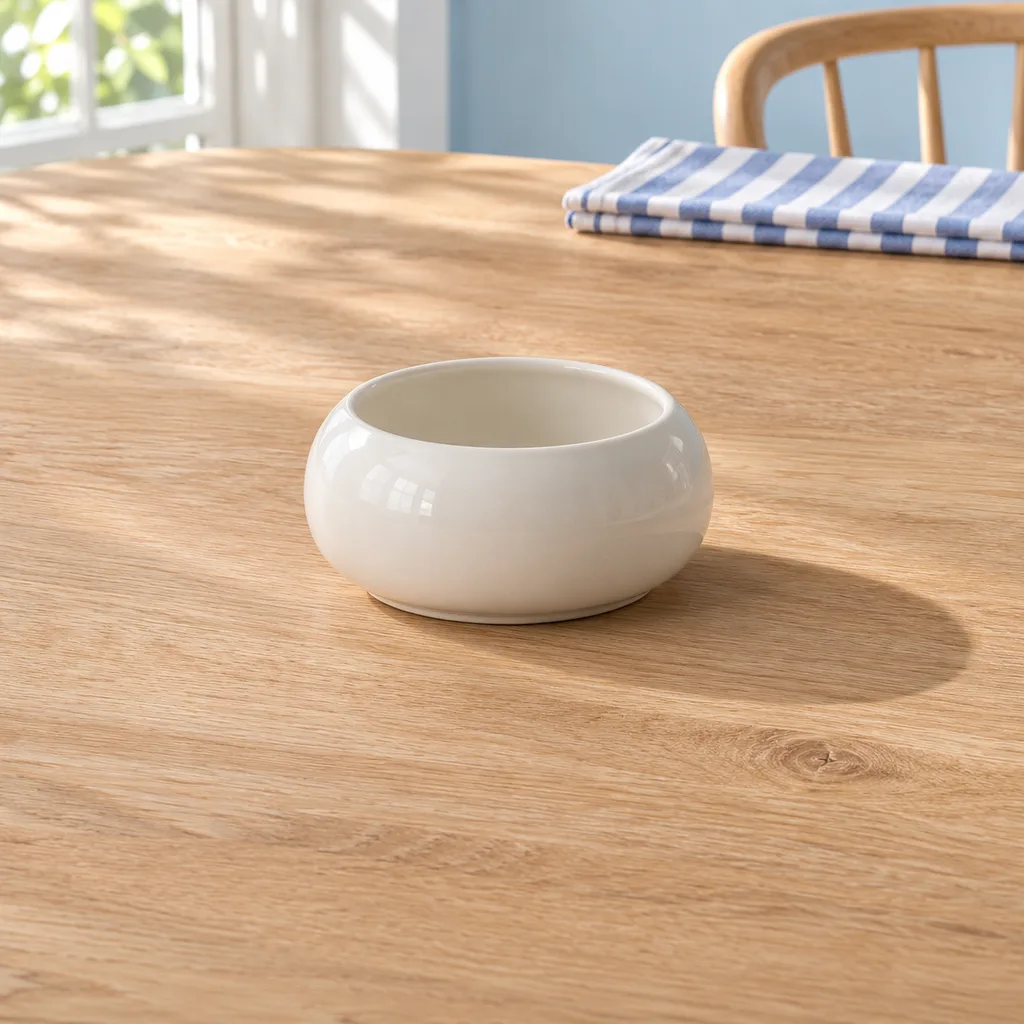
A blue and white centerpiece does not have to repeat the plate pattern. A plain low vessel can anchor the middle while keeping the patterned place settings distinct. Test the view from a seated position and move anything that blocks conversation or the route of a serving dish.
Keep decorative materials separate from food and tableware surfaces used for eating. Do not place unidentified greenery or decorative objects directly into serving bowls that will hold food. This guide does not establish whether a particular plant or vintage container is suitable for food contact.
For a longer table, repeat a small motif with gaps between the pieces rather than building an uninterrupted strip of objects. For a compact table, use one removable accent or none. Leave candles out if you want a simple arrangement without open-flame considerations.
Make the next setup easier with a short pairing note
After arranging the table, note the combination rather than buying a dedicated set for the occasion: white plates plus striped napkins, patterned plates plus solid linens, or all-white pieces plus navy. A photograph for your own reference can help you remember which items worked together without storing them as a bulky preassembled display.
Follow each item's care instructions and put linens away clean and dry. Keep the pieces available for other uses; the blue serving bowl can return to everyday meals, and the white plates do not need to belong to a single theme.
The most useful blue and white tablescape is one you can adjust. Let one piece lead, repeat its color selectively, and leave room for the people and food. The result can feel coordinated without requiring everything on the table to match.
Keep good recipes close
Add The Cooking Twins to your preferred sources on Google for more easy dinners, no-bake desserts and kitchen inspiration.
Emma & Ella Frost
A practical resource from The Cooking Twins.
More from Emma & Ella Frost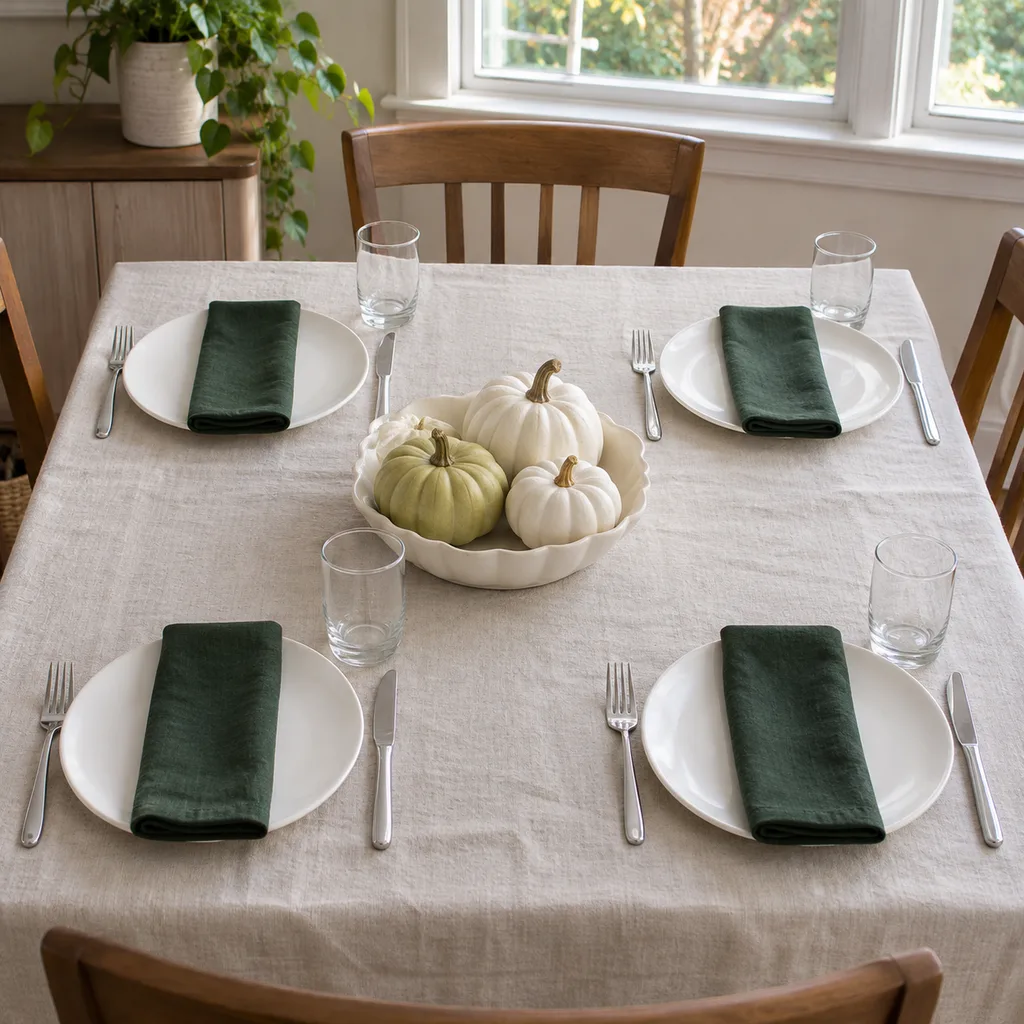
Comments
Leave a commentShare your question or planning tip below.