
Simple Christmas Centerpiece Ideas That Leave Room for Dinner
Simple Christmas Centerpiece Ideas That Leave Room for Dinner. Practical planning ideas for your own household and table.

By Emma & Ella FrostUpdated November 16, 2026

5-Ingredient Dump & Go Crockpot Meals
101 effortless slow cooker recipes for busy families.
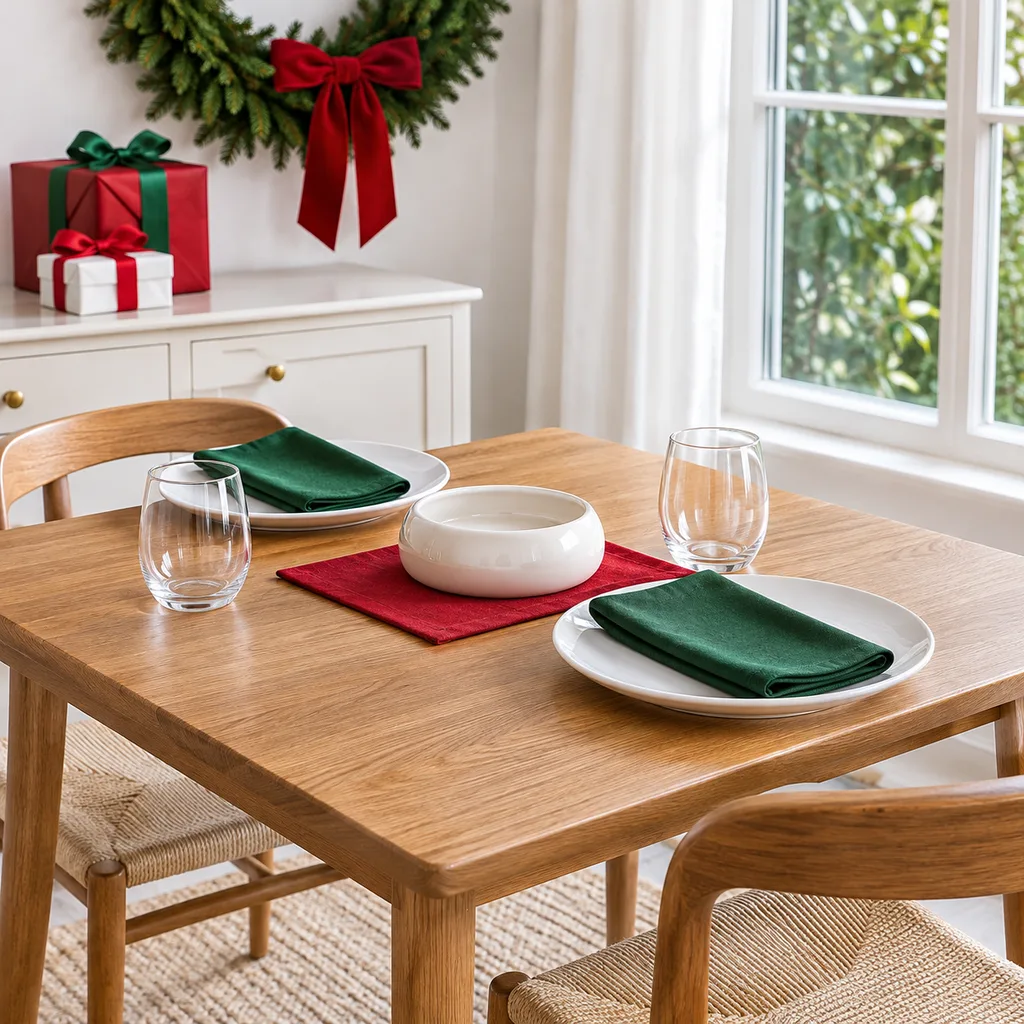
View on AmazonAvailable on AmazonA simple Christmas centerpiece can be one low object and a repeated color, not a long arrangement covering the table. Set out the plates and serving pieces first, then choose a decoration that leaves the meal usable.
The three ideas below use removable objects, fabric and blank paper details. They are original styling proposals, not real-event photographs or instructions for hanging decorations, arranging plants beside food or using candles.
Decide what the center of the table must do
Put the actual serving bowls, water pitcher and place settings in their intended positions before adding decoration. A family-style meal may need the middle throughout dinner. A table served from elsewhere still needs space for guests and the people serving.
Sit at the table and look across it. Move anything that blocks conversation or makes reaching a glass awkward. There is no universal centerpiece height in this guide: test the actual object and setting rather than relying on a photograph.
If a centerpiece will move when food arrives, choose a nearby stable place for it in advance. An arrangement that has nowhere to go can become an extra item to carry through a busy room.
Try one plain vessel with a festive textile
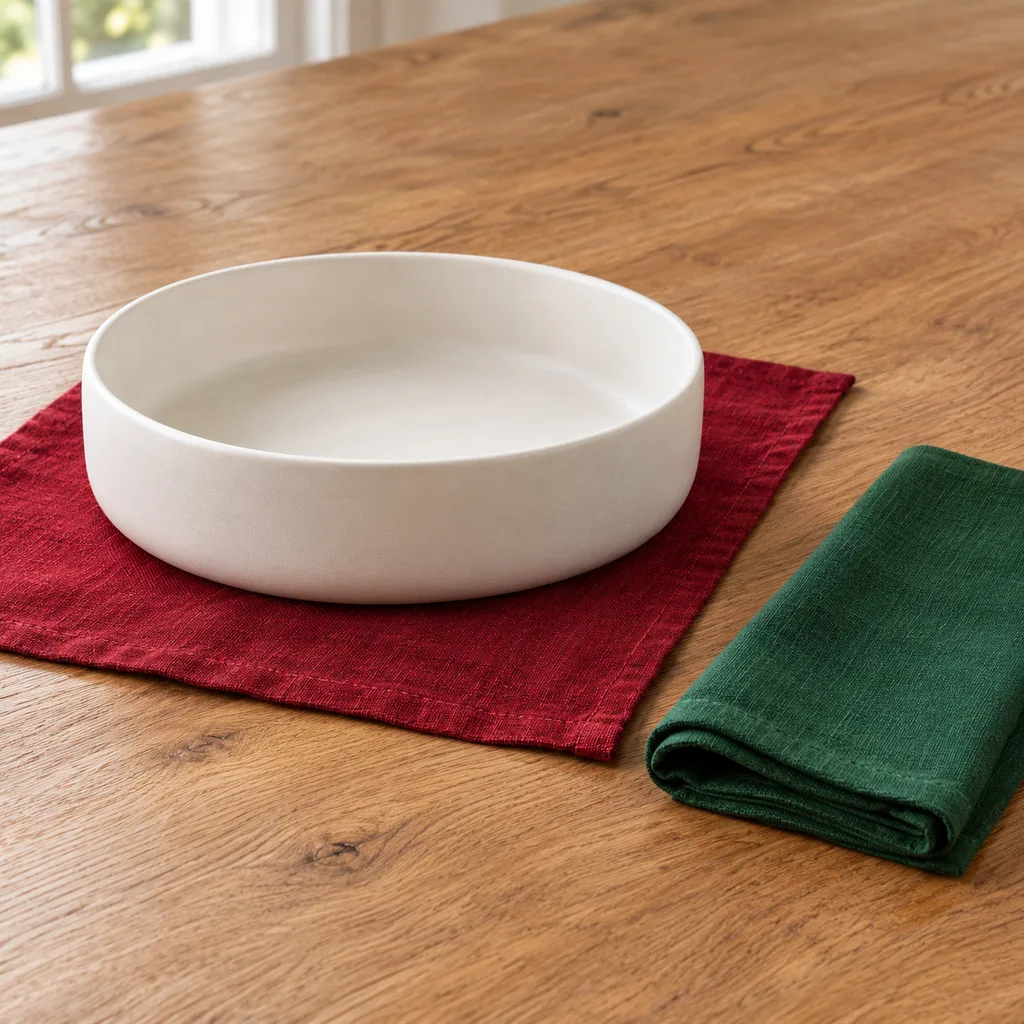
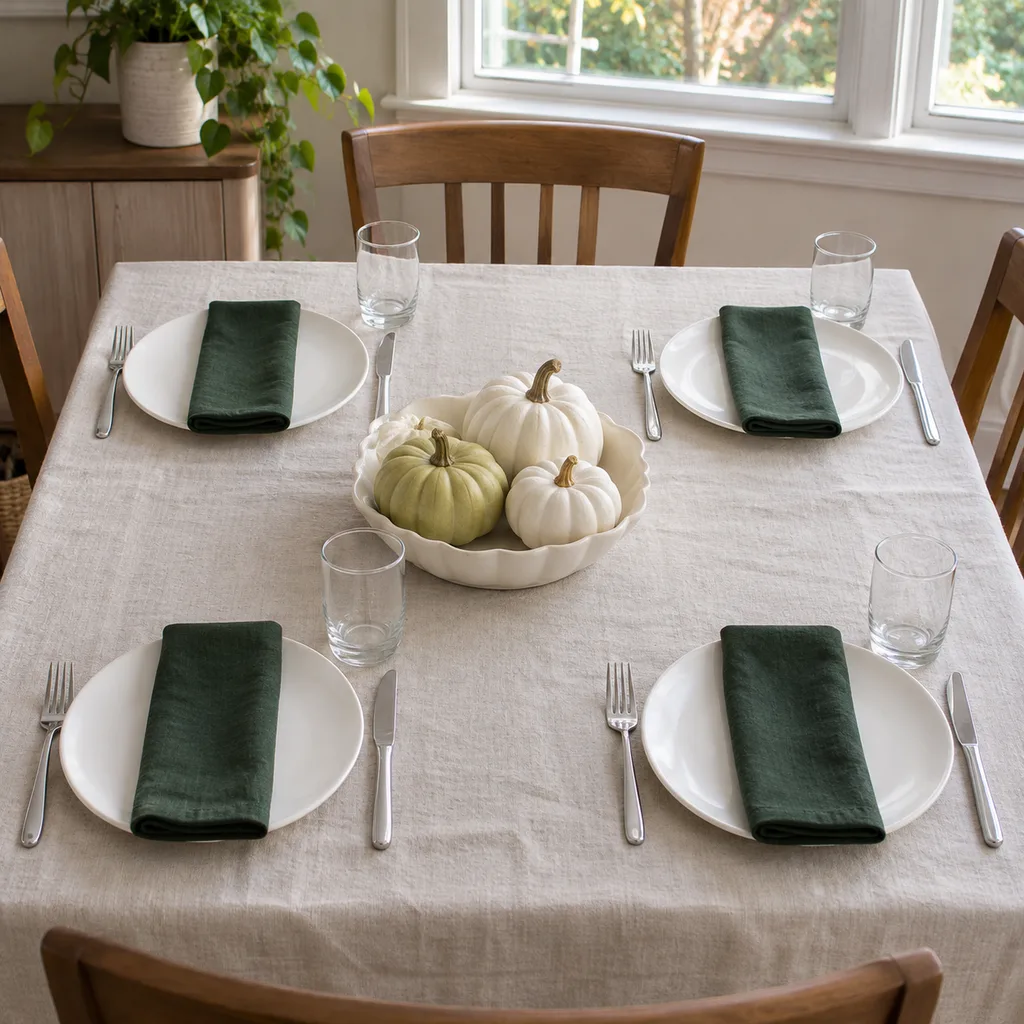
Place one low empty ceramic vessel on a small plain cloth accent, provided the surface stays flat and the object is stable. A deep green napkin or short red fabric detail can supply the seasonal color without filling the vessel.
Keep the decorative object separate from dishes intended for serving. Do not assume a vintage bowl or craft container is suitable for direct food contact. An empty vessel can remain purely decorative without needing a plant, edible filling or another purchase.
Repeat its color once elsewhere, such as the napkins or place cards, and stop there initially. A coordinated pair of details can be clearer than several unrelated seasonal ornaments competing for space.
Use a short row of stable tabletop ornaments
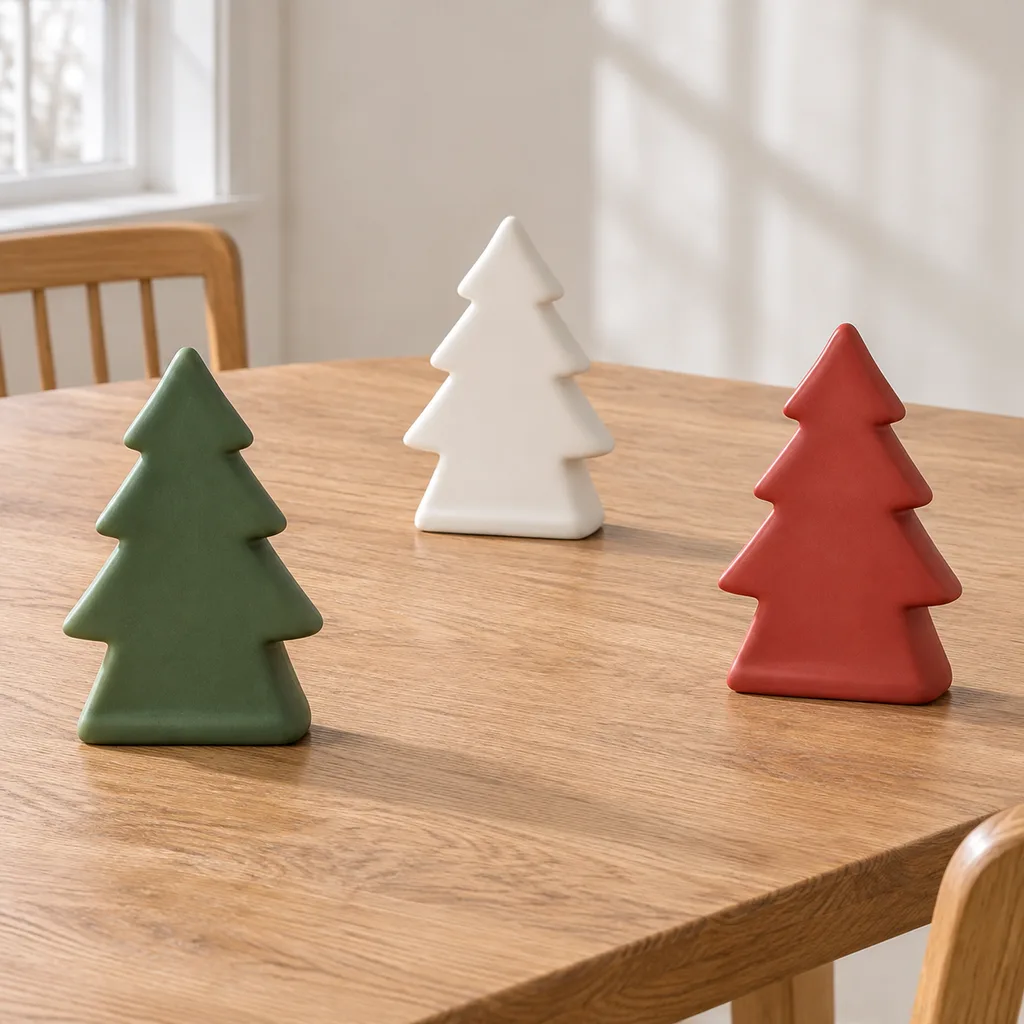
Choose a few freestanding decorative objects intended for tabletop use and arrange them with visible gaps. For example, simple tree-shaped pieces can establish a Christmas theme without a continuous strip of objects down the table.
Check each object's base and the surface beneath it. Leave out unstable, damaged or easily rolling pieces rather than improvising a support. Follow product guidance and consider the guests who will use the table; a decorative object is not automatically suitable around children.
Keep the row short enough that shared dishes still have an obvious place. If the table is compact, one object may work better than a group. The small-table decoration guide addresses those everyday space decisions in more detail.
Let folded napkins and paper details carry the center
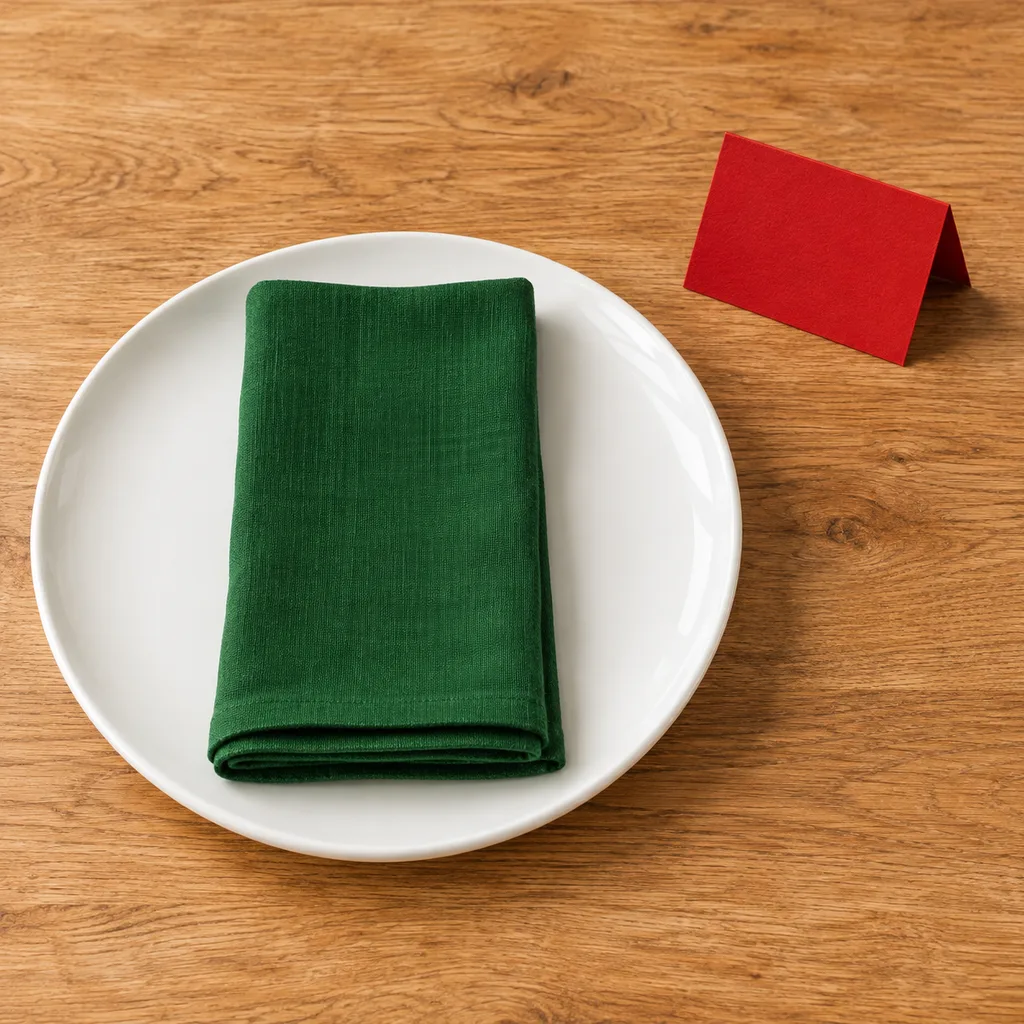
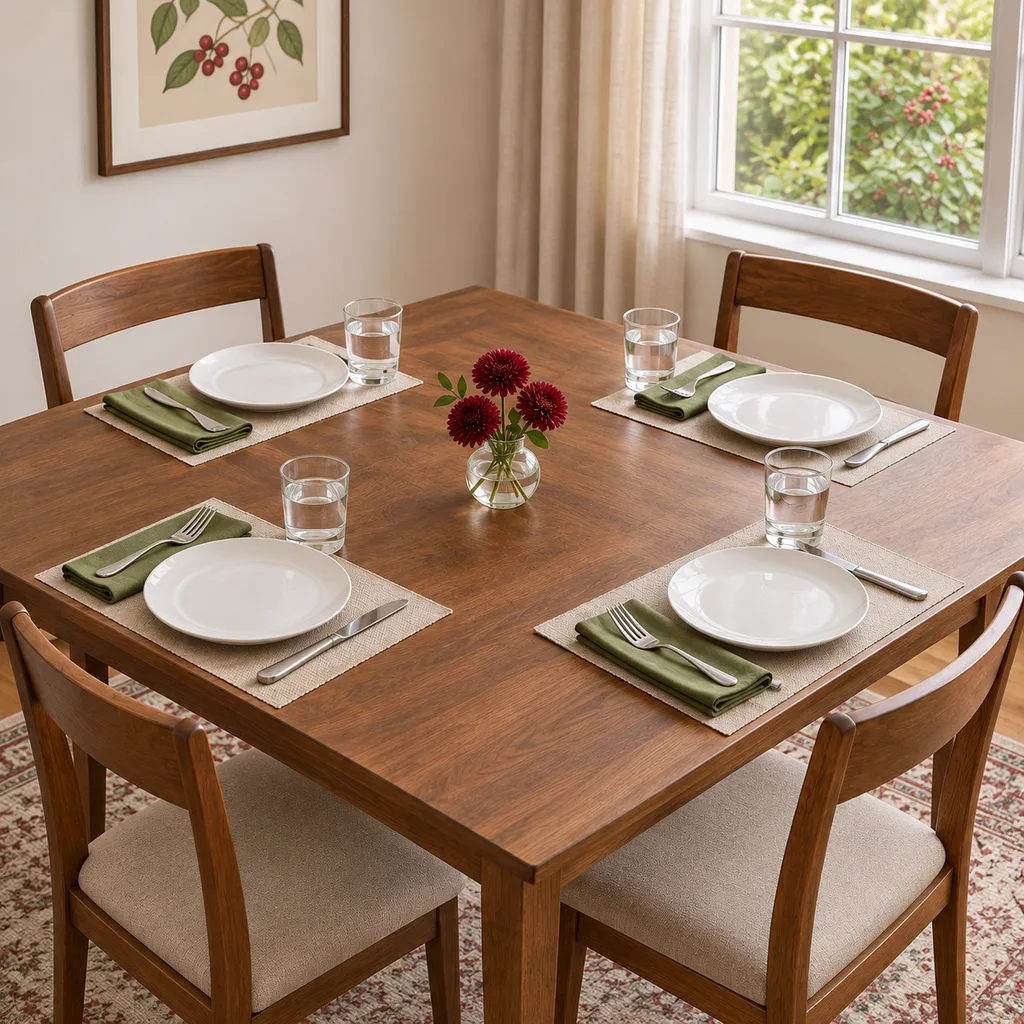
If there is no room for a central object, make the repeated place-setting detail the visual focus. A simple folded napkin and a readable place card can create a deliberate Christmas table while leaving the middle free.
Choose one color relationship: green with white plates, red with plain linen, or a restrained combination already present in the room. Test an actual setting before repeating it. You do not need a special fold that makes the napkin difficult to use.
Keep decorative paper and attachments away from food and eating surfaces. Use the card for a name or helpful seating information, not a collection of embellishments that guests must remove before the meal.
Check the arrangement with the room lighting
Look at the proposed pieces in the light expected during dinner. A deep green textile may become much darker, while a glossy object can reflect light differently from a matte one. Compare the actual materials instead of relying on matching color names online.
This guide deliberately does not add flames, powered lighting or living greenery. If those are important to your gathering, review the specific product and appropriate safety guidance separately rather than assuming a decorative picture supplies operating instructions.
For the rest of the event, the Christmas hosting checklist covers guest coordination, menu planning and practical handoffs. The centerpiece should support that plan, not create another last-minute task.
Pack the version you actually want to repeat
After choosing the arrangement, take a reference photograph for your own setup and list its few components. Keep track of which objects belong to everyday use and which need seasonal storage. Follow their care instructions rather than packing damp fabric with decorations.
Store small pieces together only when doing so will not damage them. Keep the reference simple: one vessel and green textile, a short ornament row, or repeated napkins and cards. A clear record is more useful than a box of extras with no remembered plan.
A successful simple centerpiece leaves room for the people and the meal. Start with that requirement, choose one idea and remove any detail that makes the table harder to use.
Keep good recipes close
Add The Cooking Twins to your preferred sources on Google for more easy dinners, no-bake desserts and kitchen inspiration.
Emma & Ella Frost
A practical resource from The Cooking Twins.
More from Emma & Ella Frost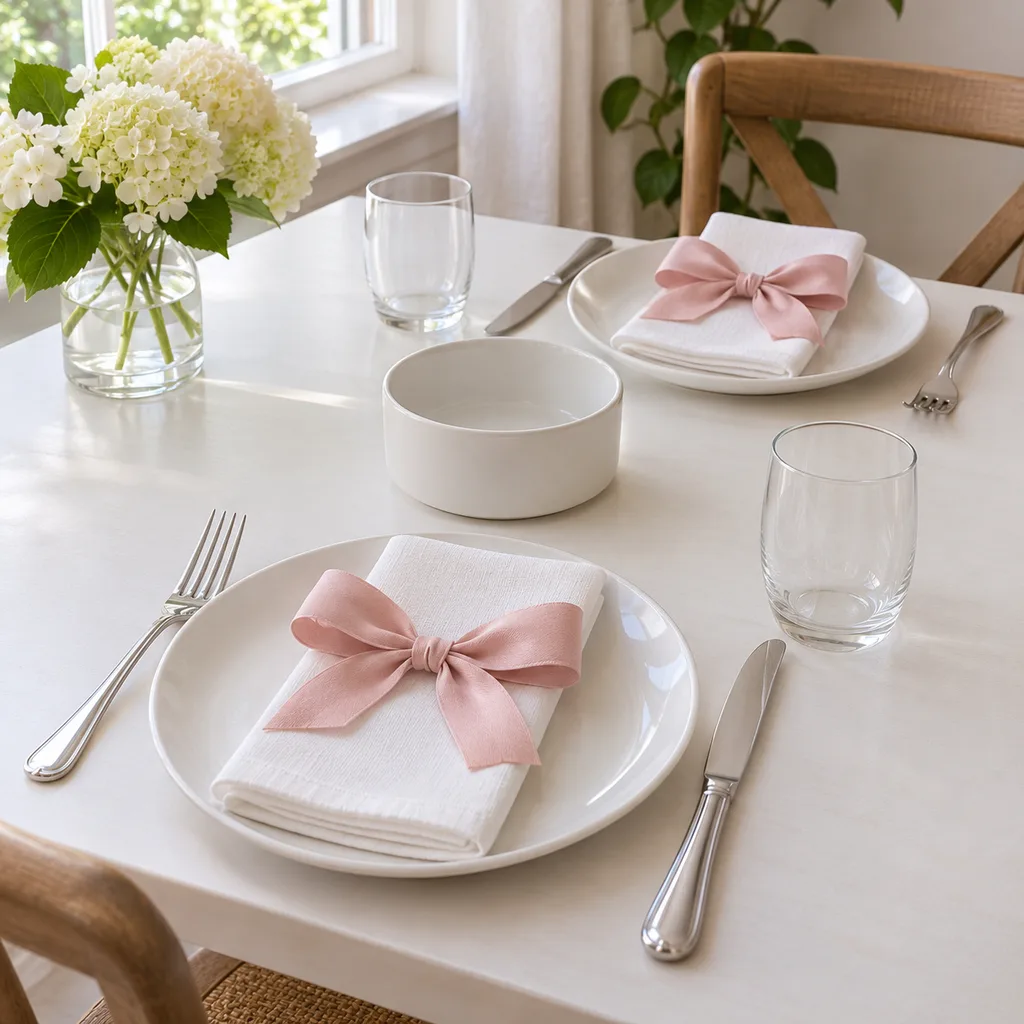
Comments
Leave a commentShare your question or planning tip below.