
Friendsgiving Party Ideas on a Budget: Share Costs Without Surprises
Plan a budget Friendsgiving with agreed contributions, named menu roles, actual purchase costs and a simple table instead of surprise expenses.

By Emma & Ella FrostUpdated November 16, 2026

5-Ingredient Dump & Go Crockpot Meals
101 effortless slow cooker recipes for busy families.
View on AmazonAvailable on AmazonA budget-friendly Friendsgiving starts with agreement, not a bargain decoration haul. Decide what the group can comfortably spend, which parts of the gathering matter most and how contributions will be shared before anyone commits to a menu.
There is no single price that makes a party affordable for every household. Use actual local prices and the guests' agreed contributions. The ideas below help you choose where the money and work go; they do not promise a fixed cost per person.
Agree on the spending method before assigning dishes
Choose between a shared shopping budget, agreed dish contributions or a host-paid meal with guests contributing in another way. Do not mix those approaches accidentally. Bringing a dish and later receiving an unexpected grocery bill can make a friendly invitation uncomfortable.
Ask what people can offer rather than assuming everybody has the same budget, kitchen or transport. A guest might help set up, wash dishes or manage the playlist instead of buying ingredients. Make that contribution explicit and optional.
If costs will be split, agree what belongs in the shared total, who makes purchases and how receipts will be handled. Discuss changes before buying, especially when an extra decoration or upgraded ingredient affects somebody else's share.
Give each menu role one owner
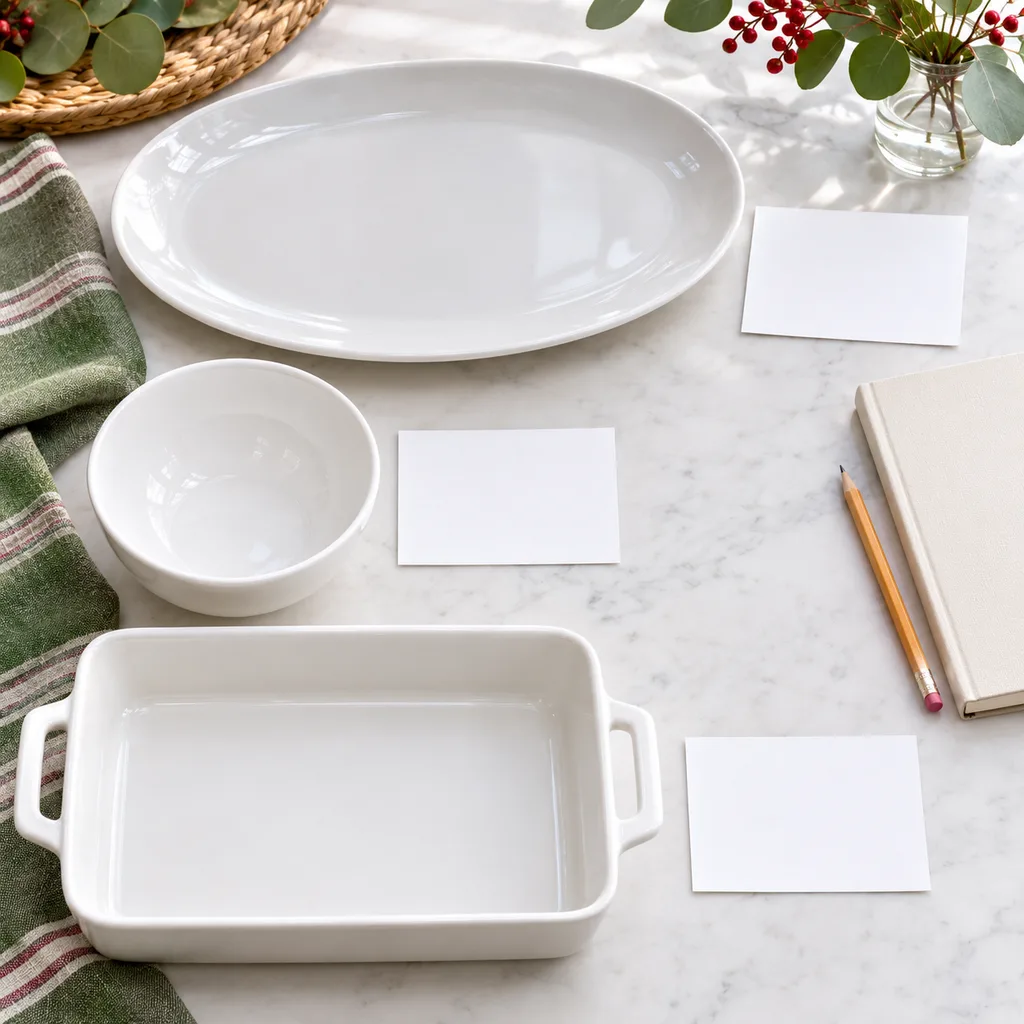
Write the meal roles before naming recipes: main dish, vegetable side, another agreed accompaniment and dessert, with the group deciding what it actually wants. A smaller meal with clear owners can be easier to coordinate than several versions of the same course.
Give each agreed contribution a person's name, intended recipe, serving plan and arrival needs. Confirm the recipe's stated yield against the guest list rather than inventing a universal number of portions per pan.
The Thanksgiving potluck guide addresses choosing and transporting an individual contribution. Use it for that handoff, while this shared plan keeps track of the whole group's costs and responsibilities.
Compare the complete cost of the proposed meal
Read the actual recipes and check supplies already available before shopping. An ingredient that appears in two dishes may need one purchase, but only after the combined quantity is checked. Do not count the same partly used package twice.
List ingredient purchases, drinks, ice if needed, transport supplies, serving items and any agreed decoration separately. Put the actual quote or receipt beside each purchase. An empty cell means a cost still needs checking, not that the item is free.
Decide what you will simplify if the total is too high: remove an extra course, use existing tableware, choose a different complete recipe or reduce decorative purchases. Do not shorten a recipe's cooking or storage requirements to make an expensive menu seem easier.
Choose one small decorative idea
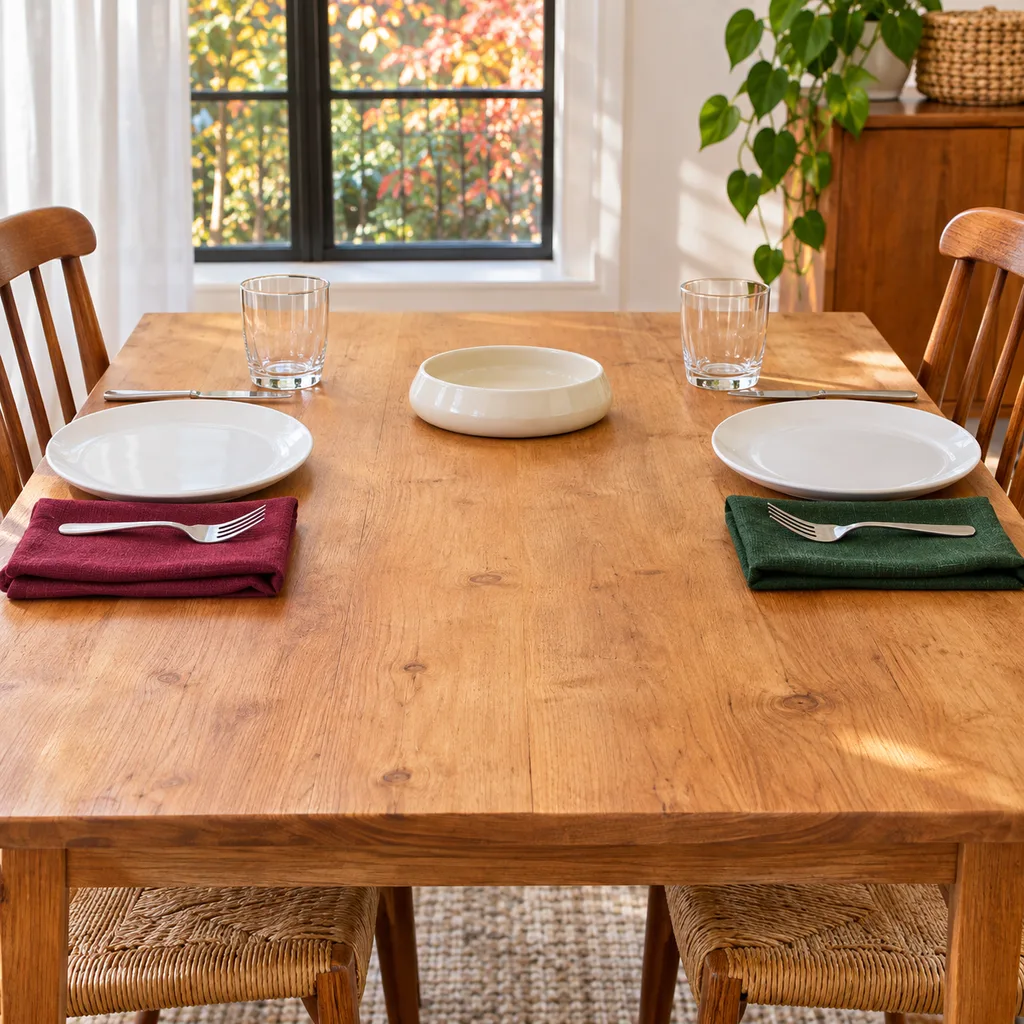
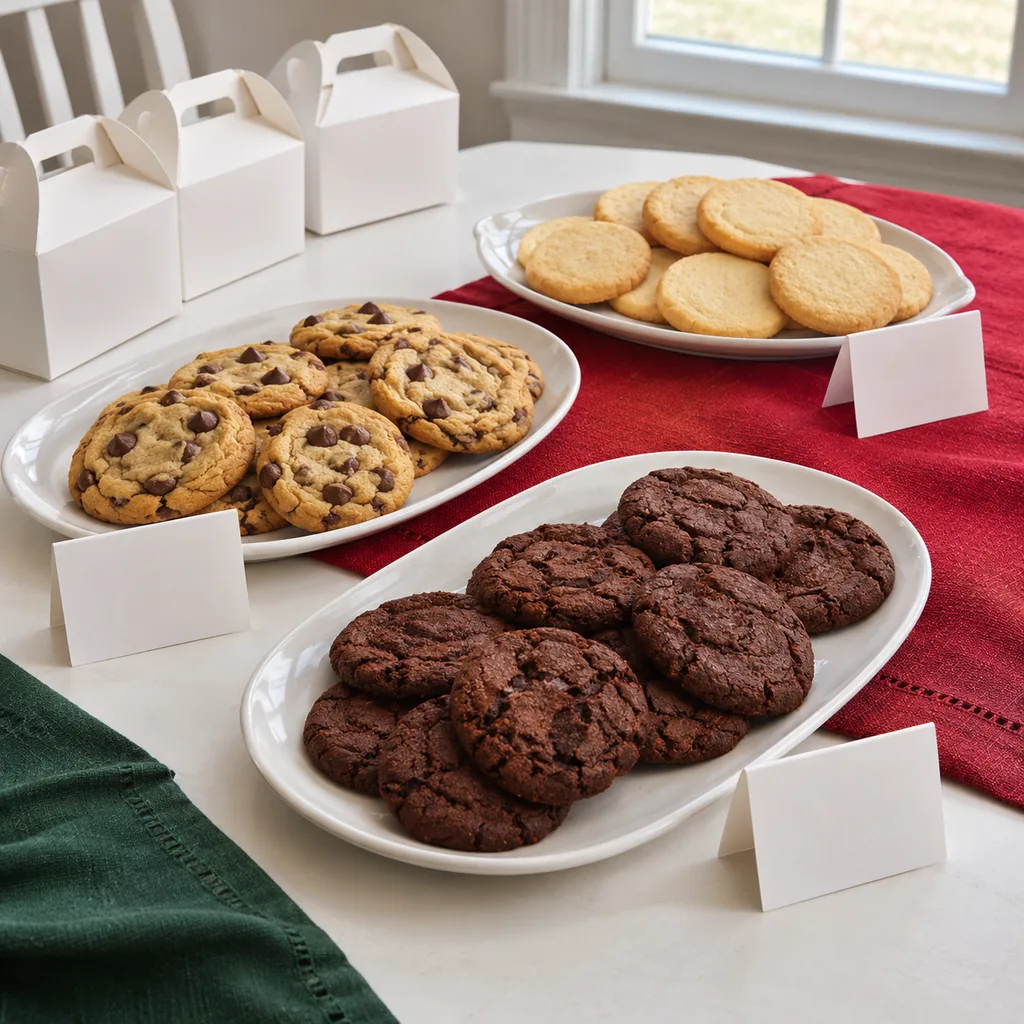
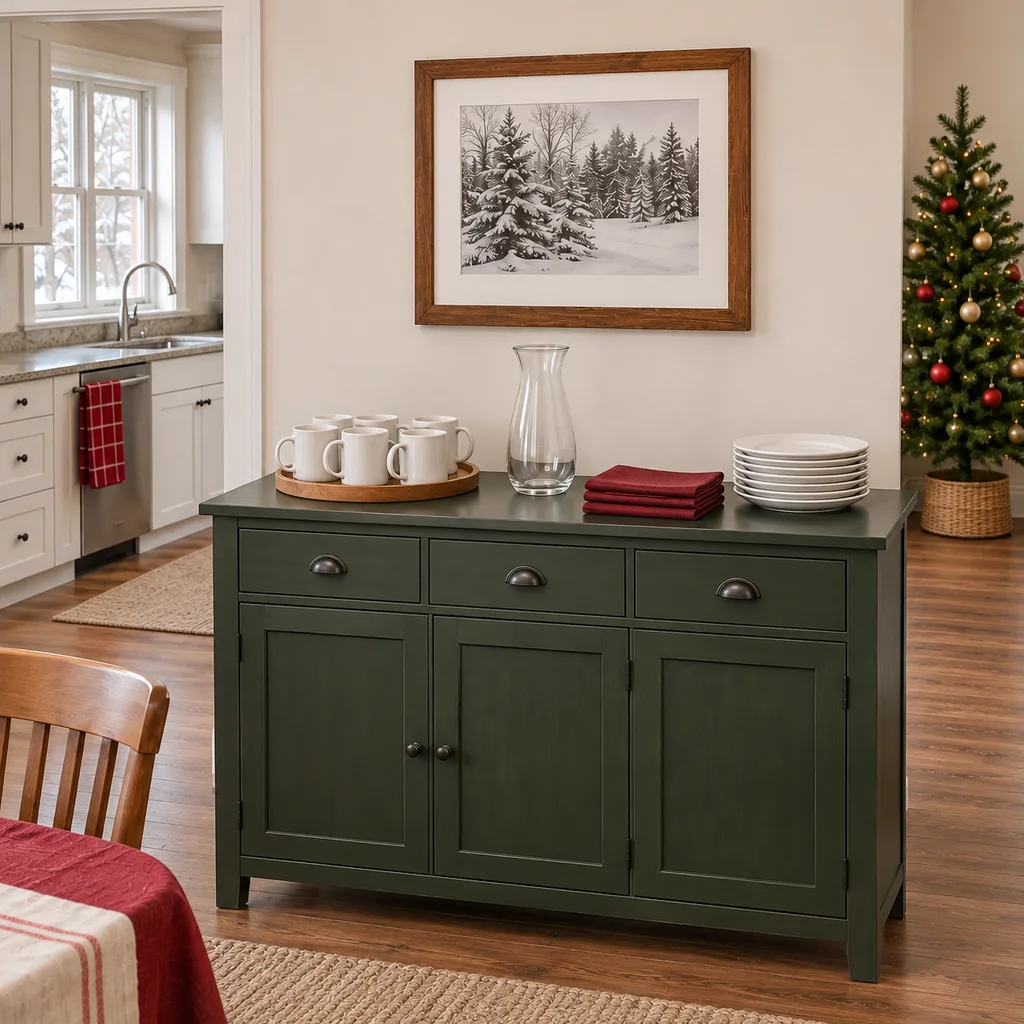
Use the table and dishes already available as the base. A set of folded napkins, handwritten place cards or one low removable centerpiece can establish a deliberate setting without requiring several matching purchases.
Check the table with its serving dishes before decorating the middle. A shared meal needs room to pass bowls and reach drinks. If the decoration must move as soon as the food arrives, plan its next resting place instead of leaving somebody to balance it on a chair.
Use a free playlist, a shared photo prompt or a simple question at each place if the group wants an activity. Confirm that everyone is comfortable with photographs and sharing; a party does not need a public social-media post to feel special.
Spend on the practical handoff, not only the display
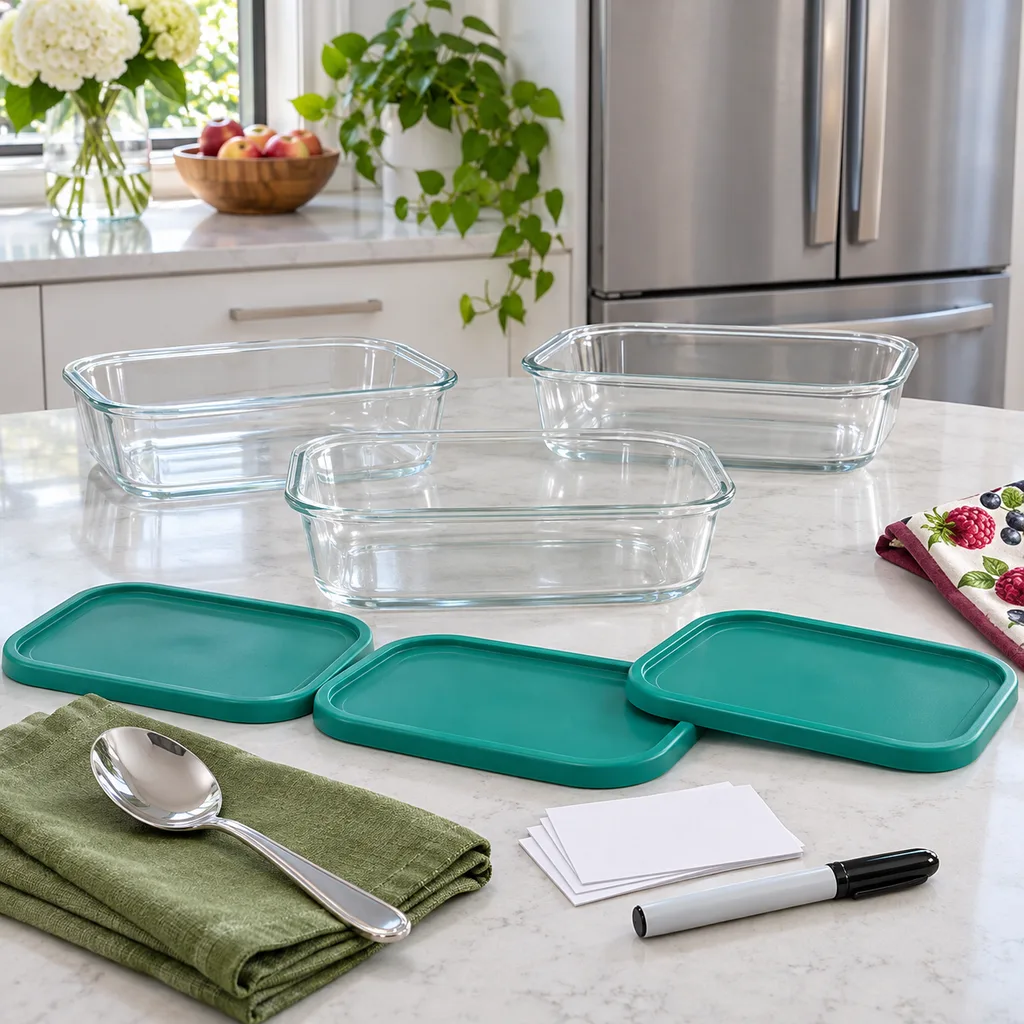
Confirm refrigerator space, agreed reheating equipment and serving utensils before the day. A dish that arrives without the required storage or tools can create an extra purchase or delay, even when its ingredients were inexpensive.
FDA buffet guidance recommends small serving portions with reserve dishes held appropriately, replacing serving dishes rather than adding fresh food to an old platter. Follow the complete guidance and the actual recipes for handling and temperature control; the spending plan does not replace them.
Assign the leftovers handoff too. Ask who has suitable containers and who can take food home under appropriate conditions. Do not budget on saving food that has not been handled safely.
Close the shared plan clearly
Before the gathering, send one final message listing the agreed menu, who brings what, arrival details and any cost-sharing arrangement. Keep the latest version in one place so an old conversation does not assign the same side to two people.
Afterward, settle only the costs the group agreed to share. Note what went unused and what made the meal easier, without turning the event into a competition over who spent least. Keep the useful parts for next time.
The most workable budget Friendsgiving is one people understand before they arrive: a manageable menu, transparent contributions and enough attention to the practical details that nobody has to rescue the plan at the last minute.
Keep good recipes close
Add The Cooking Twins to your preferred sources on Google for more easy dinners, no-bake desserts and kitchen inspiration.
Emma & Ella Frost
A practical resource from The Cooking Twins.
More from Emma & Ella Frost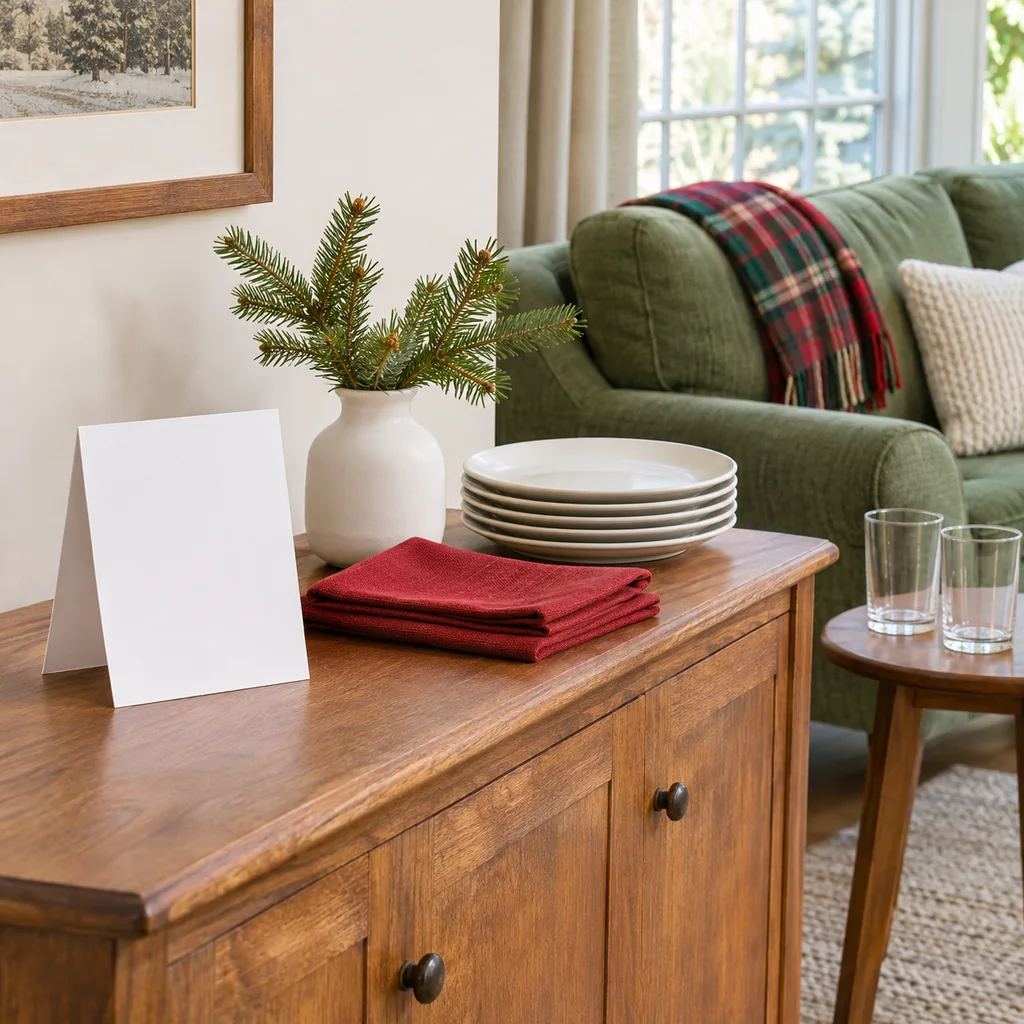
Comments
Leave a commentShare your question or planning tip below.